Nitriding is a heat treatment process that introduces nitrogen into the surface of a metal to enhance its properties such as hardness, wear resistance, and corrosion resistance. One of the interesting aspects of the nitriding process is its effect on the surface color of metals. As a nitriding furnace supplier, I have witnessed firsthand how different types of nitriding furnaces can influence the final appearance of treated metals. In this blog, I will delve into the mechanisms behind the color changes and explore how various nitriding furnaces contribute to these alterations.
Understanding the Basics of Nitriding
Before we discuss the impact of nitriding furnaces on metal surface color, it's essential to understand the nitriding process itself. Nitriding typically involves heating the metal in a nitrogen-rich environment at a specific temperature for a set period. During this process, nitrogen atoms diffuse into the metal's surface, forming nitrides. These nitrides can significantly change the physical and chemical properties of the metal, including its surface color.
There are several types of nitriding processes, each with its own set of characteristics and applications. Gas nitriding, for example, uses ammonia gas as the nitrogen source, while plasma nitriding employs a plasma discharge to activate the nitrogen atoms. The choice of nitriding process often depends on the type of metal being treated and the desired properties of the final product.
Factors Affecting Metal Surface Color in Nitriding
The surface color of a metal after nitriding is influenced by several factors, including the type of metal, the nitriding process parameters, and the composition of the nitriding atmosphere. Different metals react differently to the nitriding process, resulting in a wide range of colors. For instance, steels may turn shades of gray, black, or brown, while titanium alloys can develop a golden or blue tint.
The nitriding process parameters, such as temperature, time, and gas flow rate, also play a crucial role in determining the surface color. Higher temperatures and longer nitriding times generally result in thicker nitride layers, which can affect the color and appearance of the metal. Additionally, the composition of the nitriding atmosphere, including the presence of other gases or impurities, can influence the color development.
Impact of Different Nitriding Furnaces on Surface Color
As a nitriding furnace supplier, I offer a variety of furnaces designed for different nitriding processes. Each type of furnace has its own unique features and capabilities, which can affect the surface color of the treated metals.


Vacuum Nitriding Furnace
A Vacuum Nitriding Furnace operates under a vacuum environment, which allows for precise control of the nitriding process. The absence of oxygen in the furnace reduces the risk of oxidation, resulting in a cleaner and more uniform surface finish. Vacuum nitriding typically produces a bright, silver-gray color on the metal surface, which is highly desirable for many applications.
The vacuum environment also allows for better control of the nitriding atmosphere, enabling the use of pure nitrogen or other gas mixtures. This can further enhance the surface properties of the metal and improve the color consistency. Additionally, vacuum nitriding furnaces are often equipped with advanced temperature control systems, which ensure accurate and uniform heating throughout the nitriding process.
Nitrogen Protection Copper Bright Annealing Furnace
The Nitrogen Protection Copper Bright Annealing Furnace is specifically designed for the heat treatment of copper and copper alloys. This furnace uses nitrogen gas as a protective atmosphere to prevent oxidation and maintain the brightness of the metal surface. During the nitriding process, the nitrogen gas reacts with the copper surface to form a thin nitride layer, which can enhance the hardness and corrosion resistance of the metal.
The nitrogen protection atmosphere in this furnace helps to preserve the natural color of the copper, resulting in a bright and shiny surface finish. The precise control of the annealing process also ensures that the metal retains its ductility and other mechanical properties. This type of furnace is commonly used in the production of electrical components, jewelry, and other copper-based products.
Pit Type Nitriding Furnace
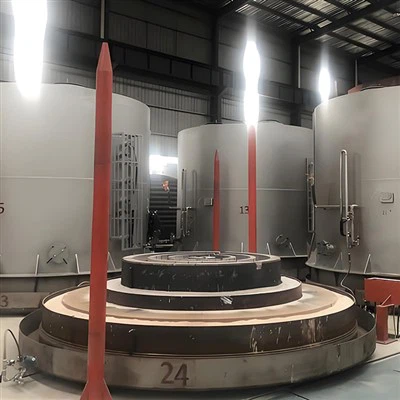
A Pit Type Nitriding Furnace is a large, vertical furnace that is suitable for the nitriding of large or heavy workpieces. This type of furnace typically uses gas nitriding or plasma nitriding processes and can accommodate a wide range of metal materials.
The pit design of the furnace allows for efficient heating and uniform distribution of the nitriding atmosphere. The large size of the furnace also enables the treatment of multiple workpieces simultaneously, making it a cost-effective solution for high-volume production. The surface color of the treated metals in a pit type nitriding furnace can vary depending on the process parameters and the type of metal being treated. However, it generally produces a consistent and uniform color across the entire surface of the workpiece.
Practical Applications and Considerations
The ability to control the surface color of metals through nitriding has numerous practical applications in various industries. In the automotive industry, for example, nitrided components with a specific surface color can be used for aesthetic purposes or to enhance the brand identity of the vehicle. In the aerospace industry, nitriding can be used to improve the corrosion resistance and wear properties of critical components while maintaining a desired surface appearance.
When selecting a nitriding furnace for a specific application, it's important to consider the desired surface color and other properties of the treated metal. The type of metal, the nitriding process, and the furnace design all play a role in determining the final outcome. Additionally, it's crucial to work with a reputable nitriding furnace supplier who can provide expert advice and support throughout the process.
Conclusion
In conclusion, the surface color of metals after nitriding is a complex phenomenon influenced by various factors, including the type of metal, the nitriding process parameters, and the type of nitriding furnace used. As a nitriding furnace supplier, I understand the importance of providing high-quality furnaces that can produce consistent and desirable surface colors.
Whether you're looking for a Vacuum Nitriding Furnace, a Nitrogen Protection Copper Bright Annealing Furnace, or a Pit Type Nitriding Furnace, I can offer a solution tailored to your specific needs. If you're interested in learning more about our nitriding furnaces or have any questions about the nitriding process, please don't hesitate to contact us. We look forward to discussing your requirements and helping you achieve the best results for your metal treatment applications.
References
- ASM Handbook Volume 4: Heat Treating, ASM International
- Nitriding of Metals: Principles and Applications, Elsevier
- Heat Treatment Furnaces: Design, Control, and Operation, CRC Press