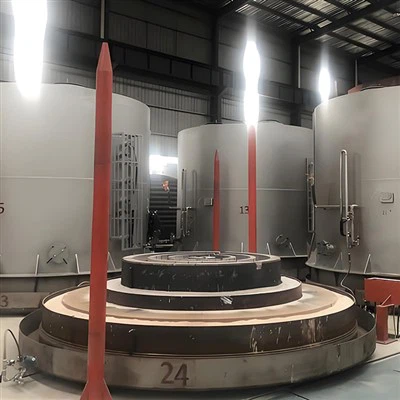
As a supplier of aging furnaces, I've witnessed firsthand the evolution and significance of these crucial pieces of equipment in various industries. Aging furnaces play a pivotal role in heat treatment processes, enhancing the mechanical properties of materials such as metals and alloys. However, as these furnaces age, they bring about a range of environmental impacts that are worth exploring.
Energy Inefficiency
One of the most prominent environmental impacts of an aging furnace is its energy inefficiency. Over time, the insulation materials in the furnace degrade. Insulation is crucial as it prevents heat from escaping the furnace chamber. When the insulation is compromised, more energy is required to maintain the desired temperature inside the furnace. This increased energy consumption not only leads to higher operational costs for the users but also has a significant environmental footprint.
Most aging furnaces rely on fossil fuels such as natural gas or oil to generate heat. The additional energy demand means more fossil fuels are burned, resulting in increased greenhouse gas emissions. Carbon dioxide (CO₂), a major greenhouse gas, is released into the atmosphere during the combustion process. According to the International Energy Agency, industrial processes, including those using aging furnaces, contribute a substantial portion of global CO₂ emissions.
In addition to CO₂, the combustion of fossil fuels in aging furnaces also releases other pollutants such as nitrogen oxides (NOₓ) and sulfur dioxide (SO₂). NOₓ contributes to the formation of smog and acid rain, while SO₂ is a major cause of respiratory problems in humans and can damage vegetation.
Air Quality Degradation
Apart from the emissions from fuel combustion, aging furnaces can also release particulate matter into the air. As the furnace components wear out, small particles of dust, metal oxides, and other debris can be released into the surrounding environment. These particulate matters, especially those with a diameter of 2.5 micrometers or less (PM2.5), can penetrate deep into the lungs and cause serious health problems, including lung cancer, heart disease, and respiratory infections.
The air quality degradation caused by aging furnaces is not limited to the immediate vicinity of the industrial facility. The pollutants can be carried by the wind over long distances, affecting the air quality in nearby communities and even entire regions. This can have a significant impact on public health and the environment, leading to increased healthcare costs and reduced quality of life.
Waste Generation
Aging furnaces often require more frequent maintenance and repairs. During these processes, a significant amount of waste is generated. This includes worn-out furnace components such as heating elements, insulation materials, and refractory bricks. These materials are often difficult to recycle and may end up in landfills, contributing to the growing problem of waste disposal.
In some cases, the waste generated by aging furnaces may also contain hazardous substances. For example, some heating elements may contain heavy metals such as lead and mercury. If these substances are not properly managed, they can leach into the soil and groundwater, posing a serious threat to the environment and human health.
Impact on Water Resources
The cooling systems used in aging furnaces can also have an impact on water resources. Many aging furnaces rely on water for cooling purposes. As the furnace ages, the cooling systems may become less efficient, requiring more water to maintain the desired temperature. This increased water consumption can put a strain on local water supplies, especially in areas where water is already scarce.
In addition, the water used in the cooling systems may become contaminated with various pollutants, including heavy metals, chemicals, and microorganisms. If this contaminated water is discharged into water bodies without proper treatment, it can have a significant impact on aquatic ecosystems. The pollutants can kill fish and other aquatic organisms, disrupt the food chain, and degrade the water quality.
Solutions and Mitigation Strategies
Despite the environmental impacts of aging furnaces, there are several solutions and mitigation strategies that can be implemented. One of the most effective ways is to upgrade or replace aging furnaces with more energy-efficient models. Modern aging furnaces are designed with advanced insulation materials and energy management systems, which can significantly reduce energy consumption and greenhouse gas emissions.
For example, the Aluminum Aging Furnace offered by our company is equipped with state-of-the-art insulation technology and a high-efficiency heating system, which can save up to 30% of energy compared to traditional aging furnaces. Similarly, the Box Type Aging Furnace and Pit Type Aluminum Alloy Aging Furnace are designed to minimize heat loss and optimize energy utilization.
Another solution is to implement regular maintenance and inspection programs for aging furnaces. By identifying and addressing potential problems early, the efficiency of the furnace can be maintained, and the risk of breakdowns and emissions can be reduced. This includes checking the insulation, heating elements, and control systems on a regular basis and replacing any worn-out components promptly.
In addition, the waste generated by aging furnaces can be managed more effectively. Recycling programs can be established to recover valuable materials from the waste, such as metals and ceramics. Hazardous waste should be properly treated and disposed of in accordance with environmental regulations to minimize the impact on the environment.
Conclusion
As a supplier of aging furnaces, I understand the importance of balancing the needs of industry with environmental protection. While aging furnaces have been an essential part of many industrial processes, their environmental impacts cannot be ignored. By upgrading to more energy-efficient models, implementing regular maintenance programs, and managing waste effectively, we can reduce the environmental footprint of aging furnaces and contribute to a more sustainable future.
If you are interested in learning more about our energy-efficient aging furnaces or have any questions about the environmental impacts of aging furnaces, please feel free to contact us for a procurement discussion. We are committed to providing our customers with high-quality products and solutions that meet their needs while minimizing the impact on the environment.


References
- International Energy Agency. (2023). Global Energy Review.
- World Health Organization. (2023). Air Quality Guidelines.
- Environmental Protection Agency. (2023). Industrial Waste Management Regulations.