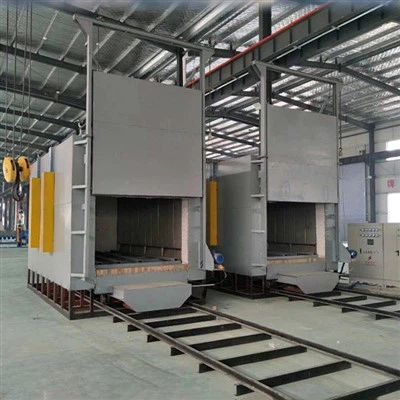
The vacuum aging process in an Aluminum Aging Furnace is a sophisticated and crucial heat - treatment method that significantly enhances the mechanical properties of aluminum alloys. As a leading supplier of Aluminum Aging Furnace, we understand the ins and outs of this process, and in this blog, we'll take you through how it works.
Understanding the Basics of Aluminum Aging
Before delving into the vacuum aging process, it's essential to understand the concept of aging in aluminum alloys. Aging is a heat - treatment process that involves heating the alloy to a specific temperature and holding it there for a certain period. This causes the precipitation of fine particles within the alloy's microstructure, which in turn improves its strength, hardness, and other mechanical properties.
There are two main types of aging: natural aging and artificial aging. Natural aging occurs at room temperature over an extended period, while artificial aging is carried out at elevated temperatures in an aging furnace. Vacuum aging is a specialized form of artificial aging that offers several advantages over conventional aging processes.
The Role of Vacuum in the Aging Process
The primary reason for using a vacuum environment in the aging process is to eliminate the presence of oxygen and other reactive gases. When aluminum alloys are heated in the presence of oxygen, oxidation can occur, leading to the formation of an oxide layer on the surface of the material. This oxide layer not only affects the appearance of the alloy but can also have a negative impact on its mechanical properties.
In a vacuum environment, the absence of oxygen prevents oxidation, ensuring that the surface of the aluminum alloy remains clean and free from contaminants. This results in a more uniform aging process and better - controlled precipitation of the strengthening particles within the alloy's microstructure.
The Components of an Aluminum Aging Furnace for Vacuum Aging
Our Aluminum Aging Furnace designed for vacuum aging consists of several key components:
- Furnace Chamber: This is where the aluminum alloy samples are placed for the aging process. The chamber is made of high - quality materials that can withstand high temperatures and maintain a vacuum environment.
- Heating System: A reliable heating system is essential to achieve and maintain the desired aging temperature. Our furnaces are equipped with advanced heating elements that provide uniform heating throughout the chamber.
- Vacuum Pump: The vacuum pump is responsible for creating and maintaining the vacuum environment inside the furnace chamber. It removes air and other gases from the chamber to a very low pressure, typically in the range of 10⁻² to 10⁻⁶ Torr.
- Control System: A sophisticated control system allows operators to precisely control the temperature, time, and vacuum level during the aging process. This ensures repeatability and consistency of the results.
Step - by - Step Vacuum Aging Process
The vacuum aging process in our Aluminum Aging Furnace can be broken down into the following steps:
- Loading the Samples: The aluminum alloy samples are carefully loaded into the furnace chamber. It's important to ensure that the samples are properly positioned to allow for uniform heating and aging.
- Evacuating the Chamber: Once the samples are loaded, the vacuum pump is activated to evacuate the air from the furnace chamber. This process typically takes several minutes to reach the desired vacuum level.
- Heating the Samples: After the chamber has reached the required vacuum level, the heating system is turned on to gradually raise the temperature of the samples to the aging temperature. The heating rate is carefully controlled to prevent thermal shock and ensure uniform heating.
- Aging at the Set Temperature: Once the aging temperature is reached, the samples are held at this temperature for a specific period, known as the aging time. The aging time depends on the type of aluminum alloy and the desired mechanical properties. During this time, the precipitation of strengthening particles occurs within the alloy's microstructure.
- Cooling the Samples: After the aging time has elapsed, the heating system is turned off, and the samples are allowed to cool down gradually. The cooling rate is also controlled to avoid the formation of residual stresses in the alloy.
- Breaking the Vacuum and Unloading the Samples: Once the samples have cooled to a safe temperature, the vacuum is broken, and the samples are unloaded from the furnace chamber.
Advantages of Vacuum Aging in Aluminum Alloys
The vacuum aging process offers several advantages over conventional aging processes:


- Improved Surface Quality: As mentioned earlier, the absence of oxygen in the vacuum environment prevents oxidation, resulting in a clean and smooth surface finish of the aluminum alloy samples.
- Enhanced Mechanical Properties: The uniform aging process in a vacuum environment leads to a more consistent precipitation of strengthening particles, resulting in improved strength, hardness, and fatigue resistance of the alloy.
- Reduced Contamination: The vacuum environment also helps to reduce the risk of contamination from other gases and impurities, ensuring the quality and purity of the aluminum alloy.
- Energy Efficiency: Our Aluminum Aging Furnace is designed to be energy - efficient, with advanced insulation materials and heating systems that minimize heat loss and reduce energy consumption.
Applications of Vacuum - Aged Aluminum Alloys
Vacuum - aged aluminum alloys are widely used in various industries due to their excellent mechanical properties. Some of the common applications include:
- Aerospace Industry: In the aerospace industry, lightweight and high - strength materials are essential. Vacuum - aged aluminum alloys are used in the manufacture of aircraft components such as wings, fuselages, and engine parts.
- Automotive Industry: The automotive industry also benefits from the use of vacuum - aged aluminum alloys. These alloys are used in the production of engine blocks, transmission cases, and other structural components to reduce weight and improve fuel efficiency.
- Electronics Industry: In the electronics industry, aluminum alloys are used for heat sinks and other components. Vacuum aging can improve the thermal conductivity and mechanical strength of these alloys, making them more suitable for electronic applications.
- Defense Industry: Vacuum - aged aluminum alloys are used in the defense industry for the production of military vehicles, weapons, and other equipment that require high - strength and lightweight materials.
Our Product Range
We offer a wide range of Aluminum Aging Furnaces to meet the diverse needs of our customers. Our product range includes:
- Trolley Type Aluminum Alloy Aging Furnace: This type of furnace is suitable for large - scale production. It features a trolley that can be easily loaded and unloaded, allowing for efficient handling of the aluminum alloy samples.
- Aluminum Wire Aging Furnace: Designed specifically for the aging of aluminum wires, this furnace provides a uniform aging process to improve the mechanical properties of the wires.
Contact Us for Procurement
If you are interested in our Aluminum Aging Furnaces and would like to learn more about the vacuum aging process or discuss your specific requirements, we invite you to contact us. Our team of experts is ready to assist you in selecting the right furnace for your application and providing you with all the necessary technical support. Whether you are a small - scale manufacturer or a large - scale industrial enterprise, we have the solutions to meet your needs. Reach out to us today to start a fruitful discussion about your procurement requirements.
References
- "Physical Metallurgy of Aluminum Alloys" by John E. Hatch
- "Heat Treatment of Aluminum Alloys" by George E. Totten and D. Scott MacKenzie
- "Vacuum Technology in Materials Processing" by Robert J. Hillery