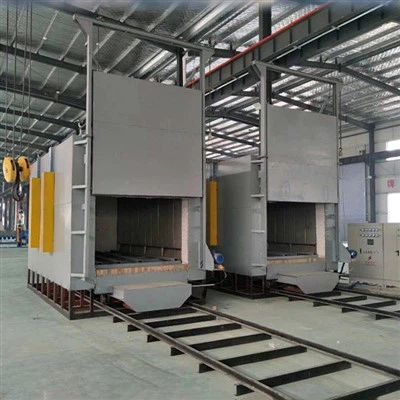
Maintaining a pit furnace is a critical aspect of ensuring its longevity, efficiency, and safety. As a supplier of pit furnaces, I've encountered numerous inquiries regarding the optimal maintenance frequency. In this blog, I'll delve into the factors that influence how often a pit furnace should be maintained and provide some general guidelines to help you keep your equipment in top-notch condition.
Factors Affecting Maintenance Frequency
1. Operating Temperature
The temperature at which a pit furnace operates plays a significant role in determining maintenance frequency. Medium Temperature Pit Furnace typically operate in the range of 500°C - 1000°C. These furnaces generally experience less thermal stress compared to high-temperature counterparts. As a result, the maintenance intervals can be relatively longer. However, regular inspections are still necessary to check for any signs of wear and tear, such as insulation degradation or heating element damage.
On the other hand, High Temperature Pit Furnace operate at temperatures above 1000°C. The extreme heat can cause rapid deterioration of components, including the refractory lining, heating elements, and seals. For these furnaces, more frequent maintenance is required to prevent costly breakdowns and ensure safe operation.
2. Usage Intensity
The frequency of use also impacts maintenance requirements. A pit furnace that operates continuously, 24 hours a day, 7 days a week, will naturally require more frequent maintenance than one that is used only occasionally. Continuous operation subjects the furnace to constant thermal cycling, which can lead to fatigue and premature failure of components. In such cases, daily visual inspections and weekly or monthly preventive maintenance checks are recommended.
Conversely, a furnace that is used sporadically may not need as frequent maintenance. However, it's still important to perform regular inspections before and after each use to ensure that the furnace is in good working condition.
3. Type of Material Processed
The type of material being processed in the pit furnace can have a significant impact on its maintenance needs. Some materials, such as metals with high sulfur or phosphorus content, can produce corrosive by-products during heating. These by-products can damage the furnace lining, heating elements, and other components. In such cases, more frequent cleaning and maintenance are required to prevent corrosion and extend the life of the furnace.
Similarly, materials that generate a large amount of dust or debris can clog the furnace's ventilation system and affect its performance. Regular cleaning of the ventilation ducts and filters is essential to maintain proper airflow and prevent overheating.
4. Environmental Conditions
The environment in which the pit furnace is located can also influence maintenance frequency. Furnaces located in harsh environments, such as those exposed to high humidity, dust, or corrosive chemicals, are more likely to experience accelerated wear and tear. In these cases, additional protective measures may be required, such as installing air filters or enclosing the furnace in a protective enclosure.
Regular cleaning and inspection of the furnace's exterior and surrounding area are also important to prevent the accumulation of dirt and debris, which can interfere with the furnace's operation.
General Maintenance Guidelines
Based on the factors discussed above, here are some general guidelines for maintaining a pit furnace:
1. Daily Checks
- Visual Inspection: Conduct a visual inspection of the furnace before each use. Check for any signs of damage, such as cracks in the refractory lining, loose connections, or leaks.
- Temperature Monitoring: Monitor the furnace temperature using a reliable thermometer or temperature controller. Ensure that the temperature is within the specified range for the material being processed.
- Ventilation System: Check the ventilation system to ensure that it is functioning properly. Look for any signs of blockage or damage to the ducts or filters.
2. Weekly Checks
- Heating Elements: Inspect the heating elements for signs of damage or wear. Replace any damaged elements immediately to prevent uneven heating or overheating.
- Seals and Gaskets: Check the seals and gaskets around the furnace door and other openings. Replace any worn or damaged seals to prevent heat loss and ensure a tight seal.
- Electrical System: Inspect the electrical system for any loose connections, frayed wires, or signs of overheating. Tighten any loose connections and replace any damaged components as needed.
3. Monthly Checks
- Refractory Lining: Inspect the refractory lining for signs of erosion, cracking, or spalling. Repair or replace any damaged areas to prevent heat loss and ensure the integrity of the furnace.
- Thermocouples: Check the thermocouples for accuracy and functionality. Calibrate or replace any thermocouples that are not reading correctly.
- Lubrication: Lubricate any moving parts, such as the furnace door hinges and rollers, to ensure smooth operation.
4. Quarterly Checks
- Gas System: If the furnace is gas-fired, inspect the gas system for leaks, proper pressure, and burner performance. Clean or replace any clogged burners or filters.
- Water Cooling System: If the furnace has a water cooling system, check the water level, flow rate, and temperature. Inspect the pipes and fittings for leaks or corrosion.
- Control System: Check the control system for proper operation. Test the temperature controller, timers, and other controls to ensure that they are functioning correctly.
5. Annual Maintenance
- Comprehensive Inspection: Conduct a comprehensive inspection of the entire furnace, including the refractory lining, heating elements, ventilation system, electrical system, and gas system. This should be performed by a qualified technician.
- Calibration: Calibrate all temperature sensors, pressure gauges, and other measuring devices to ensure accurate readings.
- Preventive Maintenance: Perform any necessary preventive maintenance tasks, such as replacing worn components, cleaning the furnace, and lubricating moving parts.
Importance of Regular Maintenance
Regular maintenance of a pit furnace offers several benefits, including:
1. Extended Equipment Life
By performing regular maintenance, you can identify and address potential problems before they become major issues. This helps to extend the life of the furnace and reduce the need for costly repairs or replacements.
2. Improved Efficiency
A well-maintained furnace operates more efficiently, consuming less energy and producing better-quality products. Regular cleaning and inspection of the heating elements, ventilation system, and other components can help to ensure that the furnace is operating at peak efficiency.
3. Enhanced Safety
Regular maintenance helps to ensure the safety of the furnace operators and the surrounding environment. By identifying and addressing potential safety hazards, such as gas leaks, electrical problems, or faulty temperature controls, you can prevent accidents and protect your employees and property.
4. Compliance with Regulations
Many industries are subject to strict regulations regarding the operation and maintenance of industrial furnaces. By performing regular maintenance and keeping detailed records, you can demonstrate compliance with these regulations and avoid costly fines or penalties.


Conclusion
In conclusion, the frequency of pit furnace maintenance depends on several factors, including operating temperature, usage intensity, type of material processed, and environmental conditions. By following the general maintenance guidelines outlined in this blog and conducting regular inspections and preventive maintenance tasks, you can ensure the longevity, efficiency, and safety of your pit furnace.
If you have any questions or need further information about pit furnace maintenance or if you're interested in purchasing a High Precision Pit Furnace or other types of pit furnaces, please don't hesitate to contact us. Our team of experts is always ready to assist you with your furnace needs.
References
- ASM Handbook, Volume 4: Heat Treating. ASM International.
- Industrial Furnaces: Principles, Design, and Operation. J. Szekely and N. J. Themelis.
- Maintenance and Troubleshooting of Industrial Furnaces. A. K. Gupta.