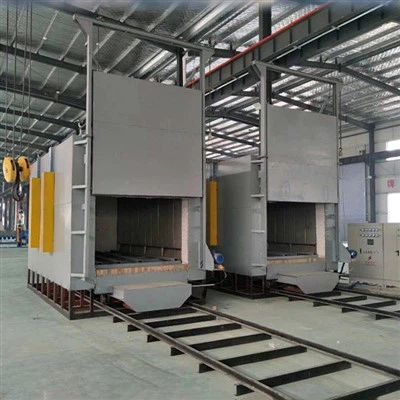
Hey there! As a supplier of box furnaces, I often get asked about how to calibrate the temperature of these nifty pieces of equipment. It's a crucial step to ensure that your furnace is working at its best and delivering accurate results. So, let's dive right in and talk about how you can calibrate the temperature of a box furnace.


First off, why is temperature calibration so important? Well, if your furnace isn't calibrated correctly, it can lead to a whole bunch of issues. For example, the materials you're heating might not reach the right temperature, which can affect their quality and properties. This can be a real headache, especially if you're using the furnace for industrial or scientific purposes. So, by calibrating the temperature regularly, you can avoid these problems and make sure that your furnace is performing optimally.
Step 1: Gather Your Tools
Before you start the calibration process, you'll need to gather a few tools. You'll need a reliable temperature sensor, also known as a thermocouple. Make sure it's accurate and has been calibrated recently. You'll also need a data logger to record the temperature readings. And of course, you'll need a pen and paper to jot down your notes.
Step 2: Check the Furnace's Manual
Every box furnace is different, so it's important to check the manufacturer's manual before you start calibrating. The manual will have specific instructions on how to calibrate the temperature, as well as any safety precautions you need to take. It's always better to be safe than sorry, so make sure you read the manual thoroughly.
Step 3: Preheat the Furnace
Once you've gathered your tools and read the manual, it's time to preheat the furnace. Set the furnace to the desired temperature and let it heat up for at least 30 minutes. This will allow the furnace to reach a stable temperature and ensure accurate readings.
Step 4: Insert the Thermocouple
After the furnace has preheated, carefully insert the thermocouple into the furnace. Make sure it's placed in the center of the furnace, where the temperature is most uniform. You can use a ceramic tube to protect the thermocouple from the high temperatures.
Step 5: Record the Temperature Readings
Once the thermocouple is in place, start the data logger and record the temperature readings. Take readings at regular intervals, such as every 5 minutes, for at least 30 minutes. This will give you a good idea of how the temperature is changing over time.
Step 6: Compare the Readings
After you've recorded the temperature readings, compare them to the set temperature on the furnace. If the readings are within the acceptable range, then your furnace is calibrated correctly. However, if the readings are significantly different from the set temperature, then you'll need to adjust the calibration.
Step 7: Adjust the Calibration
If the temperature readings are off, you'll need to adjust the calibration. This can usually be done by adjusting the temperature controller on the furnace. Follow the instructions in the manual to make the necessary adjustments. Make small adjustments at a time and recheck the temperature readings until they are within the acceptable range.
Step 8: Repeat the Process
Once you've adjusted the calibration, repeat the process of preheating the furnace, inserting the thermocouple, recording the temperature readings, and comparing them to the set temperature. This will ensure that the calibration is accurate and that the furnace is working properly.
Different Types of Box Furnaces
At our company, we offer a variety of box furnaces to meet your specific needs. We have Protective Atmosphere Box Furnace, which are designed to create a controlled atmosphere inside the furnace. This is great for applications where you need to prevent oxidation or other chemical reactions. We also have Box Type Furnace, which are more general-purpose furnaces that can be used for a wide range of applications. And if you're looking for a more energy-efficient option, we have Natural Gas Box Furnace, which use natural gas as a fuel source.
Conclusion
Calibrating the temperature of a box furnace is an important step to ensure its accuracy and performance. By following the steps outlined in this blog post, you can easily calibrate your furnace and avoid any issues. And if you're in the market for a new box furnace, be sure to check out our Protective Atmosphere Box Furnace, Box Type Furnace, and Natural Gas Box Furnace. If you have any questions or would like to discuss your specific needs, don't hesitate to reach out to us. We're here to help you find the perfect furnace for your application.
References
- Manufacturer's manual for box furnaces
- Industry standards for temperature calibration