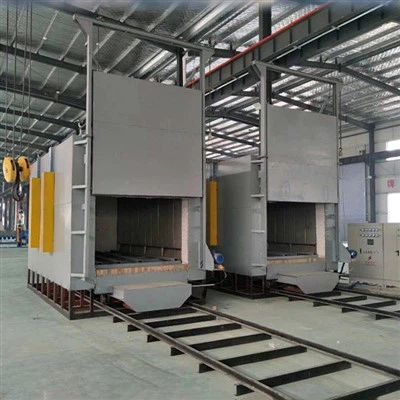
When it comes to industrial heat treatment processes, choosing the right pit furnace is crucial for achieving optimal results. As a trusted pit furnace supplier, I understand the complexities involved in this decision-making process. In this blog post, I will guide you through the key factors to consider when selecting a pit furnace that meets your specific needs.
Understanding Your Requirements
The first step in choosing the right pit furnace is to have a clear understanding of your requirements. Consider the following aspects:
- Temperature Range: Determine the maximum and minimum temperatures required for your heat treatment processes. Different applications may demand specific temperature ranges, such as Medium Temperature Pit Furnace for processes that require temperatures between 500°C and 1000°C, or High Temperature Pit Furnace for applications that need temperatures above 1000°C.
- Load Capacity: Evaluate the size and weight of the workpieces you need to heat treat. This will help you determine the appropriate furnace size and load capacity. A larger load capacity may be required for high-volume production or larger workpieces.
- Process Requirements: Consider the specific heat treatment processes you will be performing, such as annealing, tempering, hardening, or normalizing. Different processes may require different furnace features and controls to ensure accurate and consistent results.
- Production Volume: Determine the expected production volume to select a furnace that can handle your workload efficiently. Continuous or batch processing may be more suitable depending on your production requirements.
Types of Pit Furnaces
There are several types of pit furnaces available, each with its own advantages and applications. Here are some common types:


- All Fiber Pit Furnace: All Fiber Pit Furnace are known for their energy efficiency and fast heating rates. They use ceramic fiber insulation, which provides excellent thermal insulation and reduces heat loss. These furnaces are suitable for a wide range of applications, including heat treatment of small to medium-sized workpieces.
- Medium Temperature Pit Furnace: Medium temperature pit furnaces are designed to operate within a specific temperature range, typically between 500°C and 1000°C. They are commonly used for processes such as annealing, tempering, and stress relieving. These furnaces offer precise temperature control and uniform heating, ensuring high-quality results.
- High Temperature Pit Furnace: High temperature pit furnaces are capable of reaching temperatures above 1000°C. They are used for applications that require extreme heat, such as hardening, carburizing, and sintering. These furnaces are built with high-quality materials and advanced insulation to withstand the high temperatures and provide long-term reliability.
Key Features to Consider
In addition to the type of furnace, there are several key features to consider when choosing a pit furnace:
- Temperature Control: Look for a furnace with accurate and reliable temperature control systems. This will ensure that your heat treatment processes are carried out at the desired temperatures, resulting in consistent and high-quality results.
- Heating Elements: The type and quality of heating elements can significantly impact the performance and lifespan of the furnace. Choose a furnace with high-quality heating elements that are designed to provide uniform heating and withstand the rigors of continuous operation.
- Insulation: Good insulation is essential for minimizing heat loss and improving energy efficiency. Look for a furnace with high-quality insulation materials, such as ceramic fiber or refractory bricks, to ensure optimal performance and cost savings.
- Safety Features: Safety should be a top priority when selecting a pit furnace. Look for features such as over-temperature protection, emergency stop buttons, and proper ventilation to ensure the safety of your operators and equipment.
- Automation and Controls: Consider the level of automation and controls you require for your heat treatment processes. Advanced automation features, such as programmable logic controllers (PLCs) and touchscreen interfaces, can improve process efficiency, reduce human error, and provide better control over the heating process.
Evaluating the Supplier
Choosing the right supplier is just as important as choosing the right furnace. Here are some factors to consider when evaluating a pit furnace supplier:
- Experience and Reputation: Look for a supplier with a proven track record in the industry. A supplier with years of experience and a good reputation is more likely to provide high-quality products and reliable customer support.
- Product Quality: Evaluate the quality of the supplier's products by reviewing their specifications, certifications, and customer testimonials. A supplier that uses high-quality materials and advanced manufacturing processes is more likely to provide a durable and reliable furnace.
- Customization Options: Consider whether the supplier can customize the furnace to meet your specific requirements. A supplier that offers customization options can help you get a furnace that is tailored to your unique needs.
- After-Sales Support: Look for a supplier that provides comprehensive after-sales support, including installation, training, maintenance, and repair services. A supplier that is committed to customer satisfaction will ensure that your furnace operates smoothly and efficiently for years to come.
Making the Decision
Once you have considered all the factors mentioned above, it's time to make a decision. Here are some steps to help you make an informed choice:
- Compare Quotes: Obtain quotes from multiple suppliers and compare the prices, features, and specifications of the furnaces they offer. This will help you get the best value for your money.
- Request References: Ask the suppliers for references from their existing customers. Contact these references to get feedback on their experience with the supplier and the performance of the furnaces they purchased.
- Visit the Supplier: If possible, visit the supplier's manufacturing facility to see the furnaces in person and meet the team. This will give you a better understanding of the supplier's capabilities and the quality of their products.
- Consider the Total Cost of Ownership: When evaluating the cost of a furnace, consider not only the initial purchase price but also the long-term operating costs, such as energy consumption, maintenance, and repair. A furnace that is more energy-efficient and requires less maintenance may have a lower total cost of ownership in the long run.
Conclusion
Choosing the right pit furnace for your needs is a critical decision that can have a significant impact on the quality and efficiency of your heat treatment processes. By understanding your requirements, evaluating the different types of furnaces available, considering the key features, and choosing a reliable supplier, you can make an informed choice that meets your specific needs and budget.
If you have any questions or need further assistance in choosing the right pit furnace for your needs, please do not hesitate to contact us. Our team of experts is here to help you find the perfect solution for your heat treatment requirements.
References
- ASM Handbook, Volume 4: Heat Treating. ASM International, 1991.
- Industrial Furnaces: Principles, Design, and Operation. John Wiley & Sons, 2006.
- Heat Treatment Principles and Techniques. CRC Press, 2013.