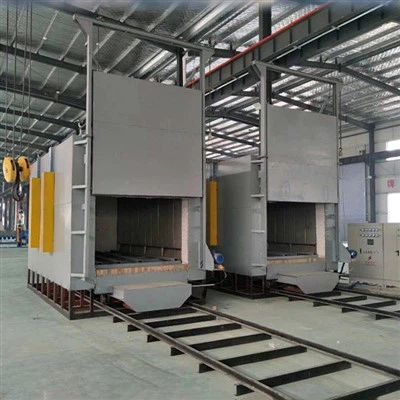
Hey there! As a supplier of crucible furnaces, I often get asked about how to determine the optimal melting cycle for these bad boys. It's a crucial aspect that can make or break your operations, whether you're in the jewelry business, metal casting, or any industry that relies on melting metals. So, let's dive right in and explore this topic together.


Understanding the Basics of Crucible Furnaces
First off, let's quickly go over what a crucible furnace is. Simply put, it's a furnace that uses a crucible - a container made of materials that can withstand high temperatures - to hold the metal you want to melt. There are different types of crucible furnaces, like the Crucible Melting Resistance Furnace, which uses electrical resistance to generate heat, and the Gas Crucible Aluminum Melting Furnace, which runs on gas. There's also the Tilting Crucible Melting Furnace, which allows for easy pouring of the molten metal.
Factors Affecting the Melting Cycle
Now, when it comes to determining the optimal melting cycle, there are several factors you need to take into account.
1. Type of Metal
Different metals have different melting points. For example, aluminum melts at around 660°C (1220°F), while steel can have a melting point ranging from 1370°C to 1510°C (2500°F to 2750°F). So, obviously, the type of metal you're working with will greatly influence the temperature and duration of the melting cycle. You need to make sure the furnace can reach and maintain the appropriate temperature for the metal to melt completely.
2. Quantity of Metal
The amount of metal you're putting in the crucible also matters. If you're melting a small amount, it'll take less time and energy compared to melting a large batch. You don't want to overload the crucible, as it can lead to uneven heating and longer melting times. On the other hand, if you're only melting a tiny bit, you might need to adjust the settings to avoid overheating.
3. Crucible Material
The material of the crucible itself plays a role. Crucibles are made from various materials like graphite, ceramic, or clay - graphite. Each material has its own heat - transfer properties and can withstand different temperatures. For instance, graphite crucibles are great for high - temperature applications but can react with some metals. You need to choose a crucible that's compatible with the metal you're melting and can handle the heat without breaking down.
4. Furnace Efficiency
The efficiency of your furnace is another key factor. A well - maintained and high - quality furnace will heat up faster and use less energy. If your furnace is old or not functioning properly, it might take longer to reach the desired temperature, and the melting cycle will be less efficient. Regular maintenance, such as checking the heating elements (in the case of an electric furnace) or the burner (for a gas furnace), is essential.
Steps to Determine the Optimal Melting Cycle
Step 1: Research the Metal
Start by looking up the melting point of the metal you're using. You can find this information in various metallurgy textbooks or online resources. Make a note of the recommended temperature range for melting the metal.
Step 2: Calculate the Quantity
Measure the amount of metal you plan to melt. Based on the crucible's capacity and the heat - transfer characteristics of your furnace, estimate how long it'll take to melt that quantity of metal. As a general rule, you can start with some standard melting times provided by the furnace manufacturer, but you'll likely need to adjust them based on your specific situation.
Step 3: Choose the Right Crucible
Select a crucible that's suitable for the metal and the furnace. Consider the crucible's size, material, and heat - transfer properties. Make sure it can handle the temperature and the chemical reactions that might occur during the melting process.
Step 4: Set the Initial Parameters
Based on your research and calculations, set the initial temperature and time settings on your furnace. If you're using a programmable furnace, you can input these parameters easily. For non - programmable furnaces, you'll need to monitor the temperature manually using a pyrometer.
Step 5: Conduct Test Runs
Run a few test melts with small batches of the metal. Monitor the melting process closely. Note down how long it takes for the metal to start melting, how long it takes to reach a fully molten state, and any other observations, such as uneven heating or excessive spattering.
Step 6: Analyze the Results
After each test run, analyze the results. If the metal took too long to melt, you might need to increase the temperature slightly. If it melted too quickly or there were signs of overheating (like the crucible starting to degrade), you should lower the temperature. Make adjustments to the temperature and time settings accordingly.
Step 7: Refine the Cycle
Repeat the test runs with the adjusted settings until you find the optimal combination of temperature and time. This might take a few tries, but it's worth it to ensure efficient and consistent melting.
Tips for a Successful Melting Cycle
- Pre - heat the Crucible: Pre - heating the crucible before adding the metal can help reduce thermal shock and speed up the melting process.
- Use a Stirring Rod: Stirring the metal gently during the melting process can promote even heating and help any impurities rise to the surface.
- Monitor the Temperature Continuously: Keep an eye on the temperature throughout the melting cycle. Fluctuations in temperature can affect the quality of the molten metal.
Conclusion
Determining the optimal melting cycle for a crucible furnace is a process that requires careful consideration of several factors. By taking into account the type of metal, quantity, crucible material, and furnace efficiency, and following the steps outlined above, you can achieve efficient and consistent melting results.
If you're in the market for a new crucible furnace or need more advice on optimizing your melting cycles, don't hesitate to reach out. We're here to help you make the most of your melting operations. Whether you're a small - scale jeweler or a large - scale metal caster, we've got the right solutions for you.
References
- "Metallurgy for Dummies" by John C. Breen
- "Handbook of Furnace Design and Operation" by various authors