Pre-heating a roaster correctly is a crucial step that can significantly impact the efficiency, performance, and longevity of the equipment. As a roaster supplier, I've witnessed firsthand the difference proper pre-heating can make in various industrial and commercial applications. In this blog post, I'll share some essential tips on how to pre-heat a roaster correctly, along with insights into different types of roasters and their pre-heating requirements.
Understanding the Importance of Pre-heating
Pre-heating a roaster serves multiple purposes. Firstly, it helps to eliminate moisture and contaminants from the interior of the roaster. Moisture can cause corrosion and damage to the heating elements, while contaminants can affect the quality of the roasted product. By pre-heating the roaster, you can ensure a clean and dry environment for the roasting process.
Secondly, pre-heating allows the roaster to reach the desired operating temperature more quickly and evenly. This is especially important for achieving consistent results in the roasting process. When the roaster is pre-heated properly, the heat is distributed evenly throughout the chamber, ensuring that all parts of the product are roasted at the same temperature.
Finally, pre-heating helps to extend the lifespan of the roaster. By gradually bringing the roaster up to temperature, you can reduce the stress on the heating elements and other components, preventing premature wear and tear.
Types of Roasters and Their Pre-heating Requirements
There are several types of roasters available on the market, each with its own unique pre-heating requirements. Here are some of the most common types of roasters and how to pre-heat them correctly:
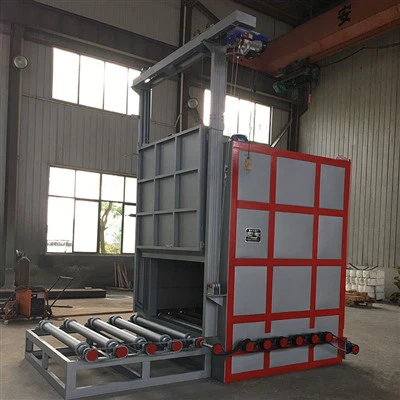
Through-type Shell Baking Furnace
The Through-type Shell Baking Furnace is designed for continuous roasting operations. It consists of a conveyor system that transports the product through the furnace, where it is exposed to high temperatures. To pre-heat a through-type shell baking furnace correctly, follow these steps:
- Check the Furnace
- Before starting the pre-heating process, inspect the furnace for any signs of damage or wear. Check the heating elements, conveyor belt, and insulation to ensure they are in good condition.
- Clean the interior of the furnace to remove any debris or dust that may have accumulated.
- Set the Temperature
- Refer to the manufacturer's instructions to determine the appropriate pre-heating temperature for your furnace. This temperature will depend on the type of product you are roasting and the specific requirements of your process.
- Set the temperature controller to the desired pre-heating temperature and allow the furnace to heat up gradually.
- Monitor the Temperature
- Use a thermometer or temperature sensor to monitor the temperature inside the furnace. Make sure the temperature is rising steadily and evenly.
- If the temperature is rising too quickly or unevenly, adjust the heating settings accordingly.
- Pre-heat the Conveyor Belt
- If your through-type shell baking furnace has a conveyor belt, pre-heat the belt along with the furnace. This will help to ensure that the product is roasted evenly as it moves through the furnace.
- To pre-heat the conveyor belt, start the conveyor motor and allow the belt to run for a few minutes before the furnace reaches the desired temperature.
Box Type Roasting Furnace
The Box Type Roasting Furnace is a batch-type roaster that is commonly used for small to medium-sized production runs. It consists of a box-shaped chamber with heating elements located on the walls or floor. To pre-heat a box type roasting furnace correctly, follow these steps:


- Inspect the Furnace
- Like with the through-type shell baking furnace, inspect the box type roasting furnace for any signs of damage or wear before starting the pre-heating process.
- Clean the interior of the furnace to remove any debris or dust.
- Set the Temperature
- Determine the appropriate pre-heating temperature based on the type of product you are roasting and the manufacturer's recommendations.
- Set the temperature controller to the desired pre-heating temperature and turn on the heating elements.
- Allow the Furnace to Heat Up
- Give the furnace enough time to heat up to the desired temperature. This may take anywhere from 30 minutes to several hours, depending on the size and power of the furnace.
- During the pre-heating process, monitor the temperature inside the furnace using a thermometer or temperature sensor.
- Check the Air Circulation
- Proper air circulation is essential for even heating in a box type roasting furnace. Make sure the fans or blowers are working properly and that the vents are not blocked.
- If necessary, adjust the position of the product inside the furnace to ensure that the air can circulate freely around it.
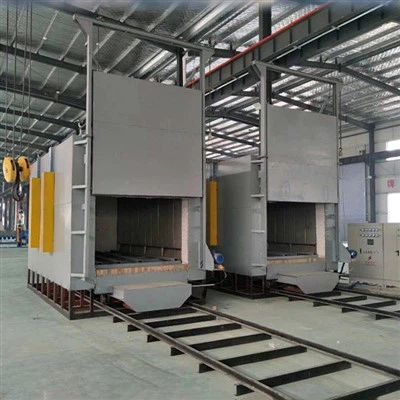
Trolley Type Roasting Furnace
The Trolley Type Roasting Furnace is another batch-type roaster that is often used for larger production runs. It consists of a trolley that can be loaded with the product and then rolled into the furnace for roasting. To pre-heat a trolley type roasting furnace correctly, follow these steps:
- Prepare the Trolley
- Before pre-heating the furnace, prepare the trolley by cleaning it and loading it with the product. Make sure the product is evenly distributed on the trolley to ensure even roasting.
- Inspect the Furnace
- Inspect the trolley type roasting furnace for any signs of damage or wear. Check the heating elements, doors, and seals to ensure they are in good condition.
- Clean the interior of the furnace to remove any debris or dust.
- Set the Temperature
- Determine the appropriate pre-heating temperature based on the type of product you are roasting and the manufacturer's instructions.
- Set the temperature controller to the desired pre-heating temperature and turn on the heating elements.
- Pre-heat the Furnace
- Allow the furnace to heat up to the desired temperature. This may take some time, especially for larger furnaces.
- During the pre-heating process, monitor the temperature inside the furnace using a thermometer or temperature sensor.
- Roll the Trolley into the Furnace
- Once the furnace has reached the desired temperature, carefully roll the trolley into the furnace. Make sure the trolley is positioned correctly and that the doors are sealed tightly.
- Continue to monitor the temperature and the roasting process to ensure that the product is roasted evenly.
General Tips for Pre-heating a Roaster
In addition to the specific pre-heating requirements for different types of roasters, here are some general tips that apply to all roasters:
- Follow the Manufacturer's Instructions
- Always refer to the manufacturer's instructions for your specific roaster model. The manufacturer will provide detailed information on how to pre-heat the roaster correctly, including the recommended temperature, time, and heating settings.
- Use a Timer
- To ensure that you pre-heat the roaster for the correct amount of time, use a timer. This will help you avoid over-pre-heating or under-pre-heating the roaster, which can affect the quality of the roasted product.
- Monitor the Temperature
- Use a thermometer or temperature sensor to monitor the temperature inside the roaster. This will help you ensure that the roaster is reaching the desired temperature and that the heat is distributed evenly.
- Allow the Roaster to Cool Down Properly
- After the roasting process is complete, allow the roaster to cool down gradually. Do not open the doors or remove the product immediately, as this can cause thermal shock and damage the roaster.
- Perform Regular Maintenance
- To keep your roaster in good working condition, perform regular maintenance. This includes cleaning the interior of the roaster, checking the heating elements, and lubricating the moving parts.
Conclusion
Pre-heating a roaster correctly is an important step that can have a significant impact on the efficiency, performance, and longevity of the equipment. By following the tips outlined in this blog post and understanding the specific pre-heating requirements for different types of roasters, you can ensure that your roaster is operating at its best and producing high-quality roasted products.
If you're in the market for a new roaster or need assistance with pre-heating your existing roaster, don't hesitate to reach out to our team. We're here to help you find the right solution for your needs and provide you with the support and guidance you need to get the most out of your roaster.
References
- Manufacturer's manuals for various types of roasters.
- Industry best practices for roaster operation and maintenance.