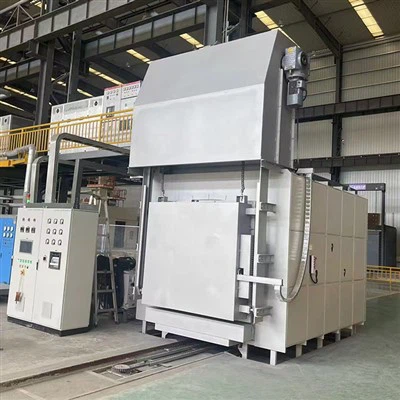
Noise pollution is a significant concern in industrial settings, and bell type furnaces are no exception. As a supplier of bell type furnaces Link text: Bell Annealing Furnace, we understand the importance of reducing noise levels not only for the well - being of workers but also to comply with environmental regulations. In this blog, we'll delve into various strategies for reducing the noise level of a bell type furnace.
Understanding the Sources of Noise in Bell Type Furnaces
Before we can effectively reduce the noise, it's crucial to understand where the noise is coming from. There are several potential sources of noise in a bell type furnace:
- Fan and Blower Noise: Bell type furnaces often use fans and blowers to circulate air or gases within the system. The rotation of the fan blades and the movement of air can generate significant noise, especially if the fans are operating at high speeds.
- Combustion Noise: When fuel is burned in the furnace, it can create a loud noise due to the rapid expansion of gases. This is particularly true for furnaces that use high - energy fuels or have inefficient combustion processes.
- Mechanical Vibration: The mechanical components of the furnace, such as motors, pumps, and gears, can vibrate during operation. These vibrations can be transmitted through the structure of the furnace and produce noise.
- Pressure Fluctuations: Changes in pressure within the furnace can cause noise, especially when there are sudden pressure drops or surges. This can occur due to improper valve operation or uneven flow of gases.
Strategies for Reducing Noise
1. Fan and Blower Optimization
- Proper Sizing: Over - sized fans can operate at lower efficiencies and generate more noise. By ensuring that the fans and blowers are properly sized for the furnace's requirements, we can reduce the need for high - speed operation and thus lower the noise level. For example, a well - sized fan can move the required amount of air at a lower rotational speed, resulting in quieter operation.
- Improved Blade Design: Upgrading to fans with aerodynamically designed blades can significantly reduce noise. These blades are engineered to minimize turbulence and air - flow noise. Additionally, using fans with a lower blade count can also reduce the noise generated by the fan.
- Vibration Isolation: Mounting fans and blowers on vibration - isolating mounts can prevent the transmission of vibration noise to the furnace structure. Rubber or spring mounts can absorb the vibrations and reduce the noise level.
2. Combustion Process Improvement
- Optimal Fuel - Air Mixture: Ensuring the correct ratio of fuel to air during combustion is essential for reducing combustion noise. A well - balanced fuel - air mixture leads to more efficient and quieter combustion. Modern furnaces are often equipped with advanced combustion control systems that can accurately adjust the fuel - air ratio based on the furnace's operating conditions.
- Low - Noise Burners: Using low - noise burners can significantly reduce the noise produced during combustion. These burners are designed to minimize the rapid expansion of gases and the associated noise. They often feature advanced burner designs and materials that help to dampen the combustion noise.
- Combustion Chamber Design: The design of the combustion chamber can also impact the noise level. A properly designed combustion chamber can provide a more controlled environment for combustion, reducing the intensity of the noise generated. This includes aspects such as the shape, size, and insulation of the combustion chamber.
3. Mechanical Vibration Reduction
- Regular Maintenance: Performing regular maintenance on mechanical components such as motors, pumps, and gears can help to prevent excessive vibration. This includes tasks such as lubrication, alignment, and tightening of loose parts. Worn - out bearings or misaligned shafts can cause increased vibration and noise, so timely replacement and adjustment are necessary.
- Vibration - Dampening Materials: Applying vibration - dampening materials to the furnace structure can help to absorb and reduce the vibration noise. Materials such as rubber pads, acoustic foams, and vibration - absorbing coatings can be used in areas where vibration is prevalent. For example, wrapping the motor with an acoustic blanket can reduce the noise radiated from the motor.
- Structural Reinforcement: Strengthening the furnace structure can help to reduce the transmission of vibration noise. This can involve adding additional supports or braces to the frame of the furnace to make it more rigid and less prone to vibration.
4. Pressure Management
- Valve Selection and Maintenance: Choosing high - quality valves that are designed to operate smoothly and with minimal pressure fluctuations is crucial. Regular maintenance of valves, including cleaning and calibration, can ensure proper operation and reduce the likelihood of pressure - related noise.
- Flow Control: Implementing proper flow control measures can help to maintain a stable pressure within the furnace. This can involve using flow meters and control valves to regulate the flow of gases or air. By ensuring a consistent flow rate, we can minimize pressure surges and drops, which in turn reduces noise.
The Benefits of Reducing Noise in Bell Type Furnaces
Reducing the noise level of a bell type furnace offers several benefits:


- Improved Worker Safety and Comfort: High noise levels can cause hearing damage and other health problems for workers. By reducing the noise, we create a safer and more comfortable working environment, which can lead to increased productivity and reduced absenteeism.
- Compliance with Regulations: Many countries and regions have strict regulations regarding noise pollution in industrial areas. By reducing the noise level of our bell type furnaces Link text: Strong Convection Bell Furnace, we help our customers to comply with these regulations and avoid potential fines and legal issues.
- Enhanced Product Reputation: A quieter furnace is often associated with higher quality and better engineering. By providing bell type furnaces with reduced noise levels, we can enhance our product's reputation in the market and gain a competitive edge.
Our Solutions as a Supplier
As a leading supplier of bell type furnaces, we are committed to providing our customers with high - quality, low - noise products. We incorporate the latest technologies and design principles into our furnace manufacturing process to ensure that our products meet the highest standards of noise reduction.
- Advanced Design and Engineering: Our engineering team uses state - of - the - art software and techniques to design bell type furnaces with optimized fans, burners, and mechanical components. This results in products that operate quietly and efficiently.
- Customized Solutions: We understand that each customer's requirements are unique. Therefore, we offer customized solutions for noise reduction based on the specific needs and operating conditions of the furnace. Whether it's a Link text: Bell Type Bright Annealing Furnace or a standard bell annealing furnace, we can provide tailored solutions to meet your noise reduction goals.
Conclusion
Reducing the noise level of a bell type furnace is a complex but achievable task. By understanding the sources of noise and implementing the appropriate strategies, we can significantly reduce the noise generated by these furnaces. As a supplier, we are dedicated to providing our customers with solutions that not only meet their heating and annealing needs but also ensure a quiet and environmentally friendly operation.
If you are interested in learning more about our low - noise bell type furnaces or would like to discuss your specific requirements, we encourage you to reach out to us for further information and procurement discussions. We look forward to working with you to provide the best furnace solutions for your business.
References
- ASHRAE Handbook - HVAC Systems and Equipment, which provides comprehensive information on industrial furnace design and noise control.
- "Industrial Noise Control and Acoustics" by Clarence W. Harris, offering in - depth knowledge on noise reduction techniques in industrial settings.