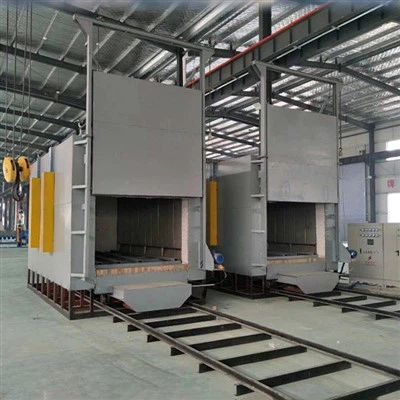
Hey there! I'm a supplier of Pit Quenching Furnaces, and today I wanna talk about the not - so - great parts of these furnaces. Now, don't get me wrong, Pit Quenching Furnaces have their uses, but like any piece of equipment, they come with some disadvantages.
1. High Initial Investment
First off, the cost of setting up a Pit Quenching Furnace is pretty steep. You're not just paying for the furnace itself. There are a whole bunch of other expenses that come along with it. You need to build a proper foundation for the pit, which can be a complex and costly construction project. You also have to install ventilation systems to deal with the heat and fumes generated during the quenching process. And let's not forget about the safety equipment. All these additional costs can really add up. For small - to - medium - sized businesses, this high initial investment can be a real barrier. It might take a long time for them to recoup the money they've spent, and that's a big risk.
2. Limited Flexibility
Pit Quenching Furnaces are not very flexible when it comes to the size and shape of the workpieces you can process. They're designed in a way that restricts the dimensions of the items you can put inside. If you have a large or oddly - shaped workpiece, chances are it won't fit in the pit. This means that if your business deals with a wide variety of products, you might need to invest in other types of furnaces to handle the pieces that don't fit. It's not like some other furnaces, like the Vertical Aluminum Alloy Quenching Furnace, which can offer more flexibility in terms of the workpieces they can accommodate.

3. Maintenance Challenges
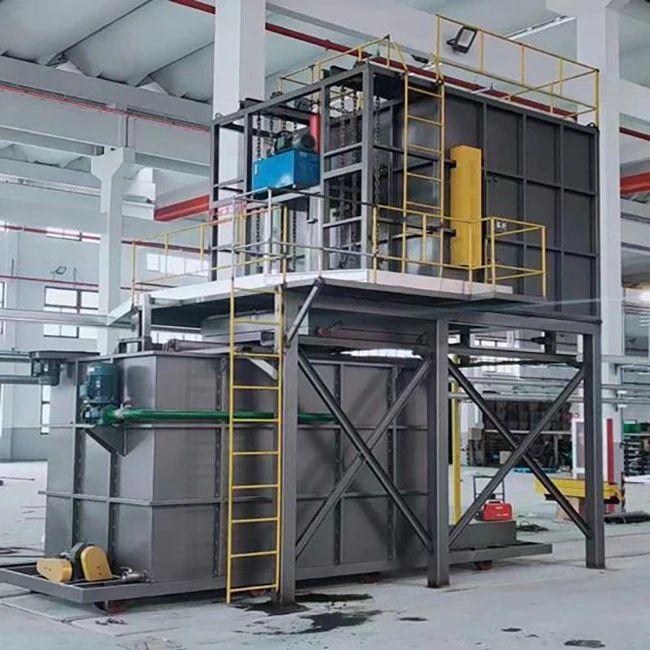
Maintaining a Pit Quenching Furnace is no walk in the park. The pit itself can be a breeding ground for all sorts of problems. Over time, the refractory lining inside the pit can wear out. Replacing this lining is a difficult and time - consuming job. It often requires shutting down the furnace for an extended period, which means lost production time. Also, the quenching media, like oil or water, need to be regularly monitored and replaced. If the media isn't maintained properly, it can affect the quality of the quenching process. And then there are the pumps and valves associated with the quenching system. These mechanical parts can break down, and fixing them can be expensive and complicated.
4. Safety Risks
Safety is a major concern when it comes to Pit Quenching Furnaces. The high temperatures involved in the quenching process pose a significant risk of burns. Workers need to be extremely careful when loading and unloading workpieces from the pit. There's also the risk of explosions if the quenching media comes into contact with hot metal in the wrong way. The fumes generated during the process can be harmful if inhaled. Adequate ventilation is crucial, but even with proper ventilation systems in place, there's still a chance that workers might be exposed to these dangerous fumes. And let's not forget about the risk of slips and falls around the pit area, which can be wet and slippery due to the quenching media.
5. Energy Consumption
Pit Quenching Furnaces are energy hogs. They need a lot of power to heat up the workpieces to the required temperatures and maintain those temperatures throughout the quenching process. This high energy consumption not only drives up your electricity or gas bills but also has a negative impact on the environment. In today's world, where everyone is trying to be more energy - efficient and environmentally friendly, this can be a real drawback. Compared to some modern Fully Automatic Aluminum Alloy Quenching Furnaces, which are designed to be more energy - efficient, Pit Quenching Furnaces lag behind.
6. Difficulty in Monitoring
Monitoring the quenching process in a Pit Quenching Furnace can be quite challenging. It's not easy to get an accurate reading of the temperature inside the pit, especially when dealing with large workpieces. The depth of the pit can make it hard to place sensors in the right positions. And since the quenching process happens quickly, any delay in getting accurate temperature readings can lead to inconsistent results. This can affect the quality of the heat - treated products, which is a big problem for businesses that rely on high - quality output.
7. Long Setup and Shutdown Times
Setting up a Pit Quenching Furnace for operation takes a long time. You need to pre - heat the furnace to the right temperature, which can take hours. And when you're done with the quenching process, shutting down the furnace also takes a while. You have to let it cool down gradually to avoid damaging the refractory lining. These long setup and shutdown times mean that you can't quickly switch between different production runs. It reduces the overall productivity of your business, especially if you have a high - volume production schedule.
8. Waste Generation
The quenching process in Pit Quenching Furnaces generates a fair amount of waste. The quenching media, after being used multiple times, becomes contaminated and needs to be disposed of properly. This waste disposal can be costly and time - consuming. There are also other types of waste generated, like scale and debris from the workpieces. Dealing with this waste in an environmentally friendly way can be a challenge for businesses.
Despite all these disadvantages, Pit Quenching Furnaces still have their place in certain industries. They're great for processing long and heavy workpieces, and they can provide a consistent quenching environment in some cases. If you're considering investing in a Pit Quenching Furnace, it's important to weigh these drawbacks against the benefits.
If you're interested in learning more about our Pit Quenching Furnaces or other types of heat - treatment furnaces we offer, feel free to reach out. We can have a detailed discussion about your specific needs and see if our products are the right fit for your business.
References
- "Heat Treatment Furnaces: Principles and Applications" - A comprehensive book on different types of heat - treatment furnaces, which provides insights into the operation and challenges of Pit Quenching Furnaces.
- Industry reports on heat - treatment equipment, which analyze the market trends and performance of various furnaces, including Pit Quenching Furnaces.