A natural gas furnace is a reliable heating solution for many homes and businesses. However, like any mechanical device, it can experience issues over time. One critical component that can cause problems is the gas valve. A bad gas valve can lead to inefficiencies, safety hazards, and even complete system failure. As a natural gas furnace supplier, I want to share with you the signs that indicate a gas valve might be failing.


1. Furnace Fails to Ignite
One of the most obvious signs of a bad gas valve is when the furnace fails to ignite. The gas valve is responsible for controlling the flow of natural gas into the burner. If the valve is not opening properly, no gas will reach the burner, and the furnace won't be able to start. There are several reasons why a gas valve might not open, including electrical problems, a faulty solenoid, or a valve that is stuck closed.
When you turn on your furnace and it doesn't ignite, the first thing you should check is the thermostat settings. Make sure it is set to the correct temperature and mode. If the thermostat settings are correct, and you don't hear the clicking sound of the ignition system, it could be a sign of a gas valve issue. This is a serious problem that requires immediate attention, as a non - functioning furnace can leave your home or business cold during the winter months.
2. Inconsistent Heating
Another sign of a bad gas valve is inconsistent heating. If you notice that some rooms in your building are warm while others are cold, or if the temperature in your space fluctuates significantly, the gas valve might be to blame. A faulty gas valve may not be able to regulate the flow of gas properly, resulting in uneven heating.
For example, if the valve doesn't open wide enough, the burner won't receive enough gas to produce sufficient heat. On the other hand, if the valve stays open too long or doesn't close properly, the burner may overheat, leading to a sudden increase in temperature followed by a drop when the system shuts off. This inconsistent heating not only makes your living or working environment uncomfortable but can also lead to higher energy bills as the furnace has to work harder to maintain a stable temperature.
3. Strange Noises
Unusual noises coming from your furnace can also indicate a problem with the gas valve. A hissing sound, for instance, could mean that there is a gas leak. The gas valve is designed to seal tightly to prevent gas from escaping, but if it is damaged or worn out, gas may leak out around the valve. This is an extremely dangerous situation, as natural gas is highly flammable and can cause an explosion or fire.
In addition to hissing, you may also hear a clicking or rattling noise. A clicking sound could be a sign that the valve's solenoid is malfunctioning. The solenoid is an electromechanical device that controls the opening and closing of the gas valve. If it is not working correctly, it may make a clicking noise as it tries to open or close. A rattling noise could indicate that there is something loose inside the valve or that the valve is vibrating due to improper operation.
4. High Gas Bills
If you notice a sudden increase in your gas bills without a corresponding increase in usage, a bad gas valve could be the culprit. A faulty gas valve may allow gas to leak or may not regulate the gas flow efficiently, causing the furnace to consume more gas than necessary. This not only wastes energy but also costs you more money in the long run.
It's important to monitor your gas bills regularly and compare them to previous months' usage. If you see a significant spike, it's worth having your furnace inspected by a professional to determine if the gas valve is the cause.
5. Pilot Light Issues
In furnaces with a standing pilot light, problems with the pilot light can be a sign of a bad gas valve. If the pilot light keeps going out, it could be because the gas valve is not providing a consistent flow of gas to keep the flame burning. A weak or inconsistent gas supply can cause the pilot light to flicker or go out completely.
Some modern furnaces use an electronic ignition system instead of a pilot light. However, if you have an older furnace with a pilot light and experience problems, it's a good idea to check the gas valve. A simple inspection can save you from more extensive and costly repairs down the road.
Common Causes of Gas Valve Problems
There are several reasons why a gas valve may go bad. Over time, the valve can wear out due to constant use. Dirt and debris can also accumulate inside the valve, causing it to stick or malfunction. Electrical problems, such as a faulty solenoid or a damaged wiring connection, can prevent the valve from opening or closing properly.
In addition, exposure to extreme temperatures and humidity can cause the valve's components to expand and contract, leading to leaks or other issues. Regular maintenance can help prevent these problems, but even with proper care, gas valves will eventually need to be replaced.
Importance of Timely Repair or Replacement
Ignoring the signs of a bad gas valve can have serious consequences. A gas leak is not only a fire and explosion hazard but can also pose a health risk due to the release of carbon monoxide, a colorless, odorless gas that can be deadly in high concentrations. In addition, a malfunctioning gas valve can cause the furnace to operate inefficiently, leading to higher energy consumption and increased wear and tear on other components.
Therefore, if you notice any of the signs mentioned above, it's crucial to have your furnace inspected by a qualified technician as soon as possible. They can diagnose the problem and determine whether the gas valve needs to be repaired or replaced.
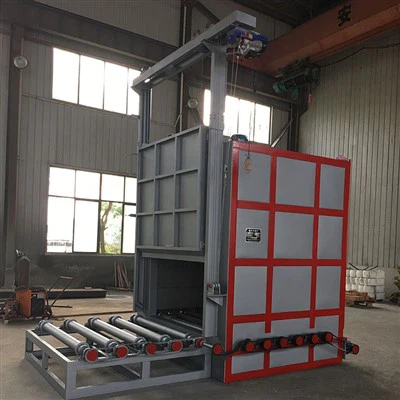
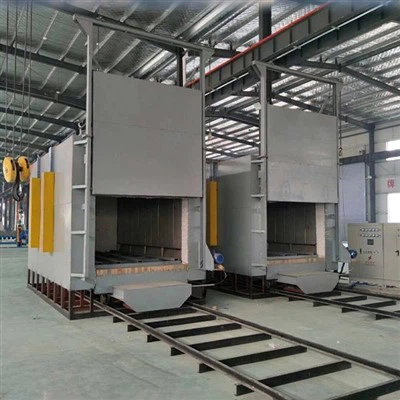
As a natural gas furnace supplier, we offer a wide range of high - quality furnaces to meet your heating needs. Our products include Natural Gas Shell Baking Furnace, Natural Gas Forging Heating Furnace, and Natural Gas Trolley Furnace. We also provide professional installation, maintenance, and repair services.
If you are experiencing any issues with your natural gas furnace or are interested in purchasing a new one, please don't hesitate to contact us for a procurement consultation. We are committed to providing you with the best products and services to ensure your comfort and safety.
References
- "Heating, Ventilation, and Air Conditioning Systems" - ASHRAE Handbook
- "Gas Appliance Service Handbook" - Robertshaw Controls Company
- "Furnace Maintenance and Repair Guide" - Various industry publications