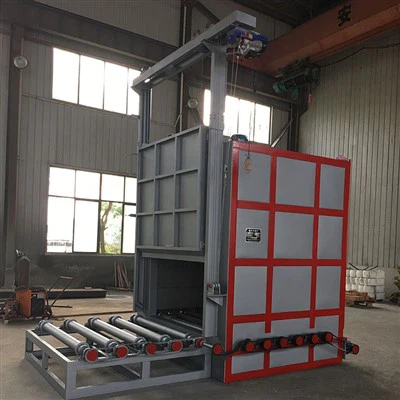
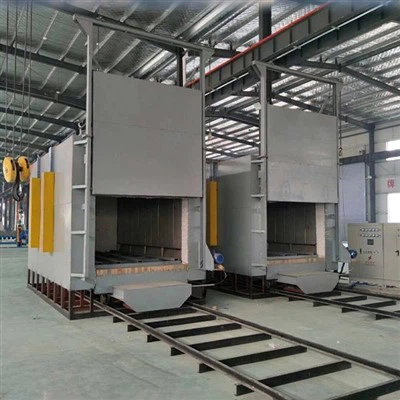
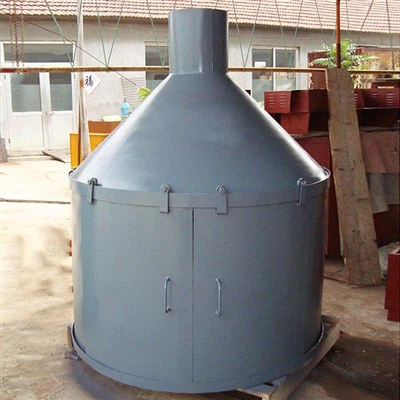
A box furnace, also known as a chamber furnace, is a versatile piece of equipment that plays a crucial role in a wide range of industrial and laboratory applications. As a seasoned supplier of box furnaces, I've witnessed firsthand the diverse ways these devices are utilized across different sectors. In this blog, we'll explore the various uses of box furnaces, shedding light on their significance in modern manufacturing and research.


Heat Treatment
One of the primary applications of box furnaces is heat treatment. Heat treatment is a process used to alter the physical and sometimes chemical properties of a material, typically a metal, by heating it to a specific temperature and then cooling it at a controlled rate. This process can enhance the strength, hardness, ductility, and other mechanical properties of the material.
In the automotive industry, for example, box furnaces are used to heat-treat engine components such as crankshafts, camshafts, and gears. By subjecting these parts to precise heat treatment processes, manufacturers can improve their wear resistance and durability, ensuring optimal performance and longevity.
Similarly, in the aerospace sector, box furnaces are employed to heat-treat critical components like turbine blades and landing gear parts. These components are often made from high-strength alloys that require precise heat treatment to achieve the desired mechanical properties. The ability of box furnaces to maintain uniform temperatures and controlled heating and cooling rates makes them ideal for these demanding applications.
Annealing
Annealing is another important process carried out in box furnaces. Annealing involves heating a material to a specific temperature and then slowly cooling it to relieve internal stresses, increase ductility, and improve machinability. This process is commonly used in the metalworking industry to prepare materials for further processing or to improve their final properties.
In the manufacturing of metal sheets and bars, for instance, annealing is used to soften the material after cold working, making it easier to shape and form. Box furnaces are well-suited for this application because they can provide a controlled environment with uniform heating and cooling, ensuring consistent results.
Annealing is also used in the glass industry to relieve stresses in glass products and improve their optical properties. By carefully controlling the heating and cooling cycles in a box furnace, glass manufacturers can produce high-quality glassware with minimal internal stresses and improved transparency.
Sintering
Sintering is a process in which powdered materials are heated to a temperature below their melting point to cause the particles to bond together, forming a solid mass. This process is widely used in the production of ceramics, powdered metals, and other advanced materials.
In the ceramics industry, box furnaces are used to sinter ceramic powders into dense, strong components such as tiles, bricks, and electronic components. The high temperatures and controlled atmosphere provided by box furnaces are essential for achieving the desired sintering results.
In the field of powder metallurgy, sintering is used to produce complex metal parts with high precision and excellent mechanical properties. Box furnaces are capable of heating powdered metal compacts to the required sintering temperature, allowing the particles to fuse together and form a solid, coherent structure.
Aging and Hardening
Some alloys require a process called aging or precipitation hardening to achieve their maximum strength and hardness. This process involves heating the alloy to a specific temperature and then holding it at that temperature for a certain period of time to allow the formation of fine precipitates within the material.
Box furnaces are often used for aging and hardening processes because they can provide precise temperature control and uniform heating throughout the material. In the electronics industry, for example, box furnaces are used to age semiconductor devices to improve their performance and reliability.
In the production of aluminum alloys, aging is used to enhance the strength and hardness of the material. By carefully controlling the aging process in a box furnace, manufacturers can produce aluminum components with the desired mechanical properties for various applications, including aerospace, automotive, and construction.
Laboratory Research
Box furnaces are also widely used in laboratory research for a variety of purposes. In materials science, researchers use box furnaces to study the effects of heat treatment on different materials, investigate phase transitions, and develop new materials with improved properties.
In chemical research, box furnaces are used for pyrolysis, combustion, and other high-temperature reactions. The controlled environment provided by box furnaces allows researchers to accurately study the behavior of chemical substances at elevated temperatures.
In addition, box furnaces are used in educational institutions to teach students about heat treatment processes, materials science, and other related topics. The hands-on experience provided by using box furnaces in the laboratory helps students gain a better understanding of these concepts and prepares them for careers in engineering, materials science, and other fields.
Types of Box Furnaces for Specific Applications
Depending on the specific application, different types of box furnaces may be used. For example, Oil Box Furnace is designed to provide efficient and reliable heating for applications where oil is used as a heat transfer medium. These furnaces are commonly used in industries such as metal heat treatment, plastic molding, and energy production.
Medium Temperature Box Furnace is suitable for applications that require a moderate temperature range, typically between 600°C and 1200°C. These furnaces are widely used in annealing, tempering, and some types of sintering processes.
Protective Atmosphere Box Furnace is used when the material being processed needs to be protected from oxidation or other chemical reactions during heating. These furnaces can be filled with inert gases such as nitrogen or argon to create a protective atmosphere, ensuring the quality and integrity of the processed material.
Conclusion
In conclusion, box furnaces are essential tools in a wide range of industrial and laboratory applications. Their ability to provide precise temperature control, uniform heating, and a controlled environment makes them indispensable for processes such as heat treatment, annealing, sintering, aging, and laboratory research. As a box furnace supplier, we understand the importance of these applications and are committed to providing high-quality, reliable box furnaces to meet the diverse needs of our customers.
If you're in the market for a box furnace for your specific application, we invite you to contact us for a detailed discussion. Our team of experts can help you select the right furnace for your needs and provide you with all the information you need to make an informed decision. Let's work together to find the perfect box furnace solution for your business.
References
- ASM Handbook, Volume 4: Heat Treating, ASM International, 1991.
- Foundations of Materials Science and Engineering, William F. Smith and Javad Hashemi, McGraw-Hill Education, 2019.
- Industrial Heat Treating of Metals, Fritz R. Dillenberg and E. Paul Degarmo, ASM International, 1988.