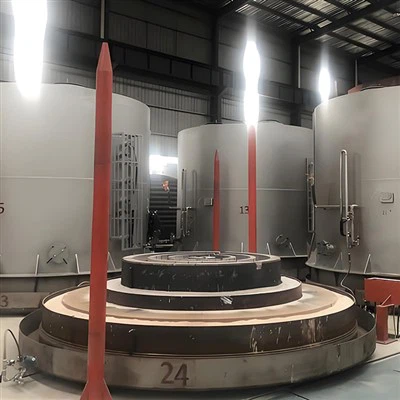
The cooling rate of a box furnace is a critical parameter that significantly influences the quality and properties of the materials processed within it. As a reputable box furnace supplier, we understand the importance of this factor and are committed to providing in - depth insights into this topic.
Understanding the Basics of Cooling Rate
The cooling rate of a box furnace refers to the speed at which the temperature inside the furnace decreases after the heating process is completed. It is typically measured in degrees Celsius per minute (°C/min) or degrees Fahrenheit per minute (°F/min). This rate can vary widely depending on several factors, including the design of the furnace, the type of insulation used, the mass of the load, and the cooling method employed.
Factors Affecting the Cooling Rate
Furnace Design
The physical structure of the box furnace plays a crucial role in determining the cooling rate. For instance, furnaces with a larger surface area to volume ratio tend to cool more quickly because they can dissipate heat more efficiently. Additionally, the placement of cooling channels and vents within the furnace can enhance or impede the flow of cooling air, thereby affecting the rate of temperature reduction.
Insulation Material
The quality and type of insulation used in the furnace can have a significant impact on the cooling rate. High - quality insulation materials, such as ceramic fiber or refractory bricks, are designed to minimize heat loss during the heating process. However, they can also slow down the cooling rate because they retain heat well. On the other hand, less effective insulation may lead to a faster cooling rate but can also result in higher energy consumption during the heating phase.
Load Mass
The mass of the material being processed in the box furnace is another important factor. A larger load mass requires more energy to heat up and also takes longer to cool down. This is because the heat stored in the material needs to be transferred out of the furnace, and a greater mass means more heat to dissipate. For example, if you are using a Medium Temperature Box Furnace to process a large batch of metal parts, the cooling rate will be slower compared to a smaller load.
Cooling Method
There are several cooling methods available for box furnaces, each with its own cooling rate characteristics.
- Natural Cooling: This method relies on the natural dissipation of heat through the furnace walls and into the surrounding environment. It is the slowest cooling method and is often used when a very gradual cooling rate is required, such as in some annealing processes.
- Forced Air Cooling: In forced air cooling, fans are used to blow air over the furnace or through cooling channels inside the furnace. This increases the rate of heat transfer and results in a faster cooling rate compared to natural cooling.
- Water Cooling: Water cooling is the fastest cooling method. It involves circulating water through pipes or jackets around the furnace to remove heat rapidly. This method is commonly used in applications where a very high cooling rate is necessary, such as in quenching processes.
Importance of Controlling the Cooling Rate
Controlling the cooling rate of a box furnace is essential for achieving the desired material properties. Different materials require specific cooling rates to develop the appropriate microstructure and mechanical properties.
Metallurgical Processes
In metallurgy, the cooling rate can have a profound effect on the hardness, strength, and ductility of metals. For example, rapid cooling (quenching) of steel can result in a hard and brittle martensitic structure, while slow cooling (annealing) can produce a softer and more ductile structure. If the cooling rate is not properly controlled, the metal may develop internal stresses, cracks, or other defects, which can compromise its performance and durability.
Ceramic and Glass Production
In the production of ceramics and glass, the cooling rate also plays a crucial role. A too - rapid cooling rate can cause thermal shock, leading to cracking or breakage of the products. On the other hand, a carefully controlled cooling rate can help to ensure the proper crystallization and formation of the desired microstructure in these materials.
Our Box Furnaces and Cooling Rate Control
As a box furnace supplier, we offer a wide range of products, including Aluminum Annealing Production Line and Natural Gas Box Furnace, each designed with advanced cooling rate control features.
Our furnaces are equipped with state - of - the - art temperature sensors and control systems that allow for precise regulation of the cooling rate. Whether you need a slow and gradual cooling for annealing processes or a rapid cooling for quenching, our furnaces can be customized to meet your specific requirements.
We also provide comprehensive technical support to help our customers optimize the cooling rate for their particular applications. Our team of experts can assist you in selecting the right furnace model, insulation material, and cooling method based on the type of material you are processing and the desired material properties.
Contact Us for Your Box Furnace Needs
If you are in the market for a high - quality box furnace with excellent cooling rate control capabilities, we invite you to contact us. Our experienced sales team is ready to discuss your specific requirements and provide you with a detailed quote. We are committed to delivering the best - in - class products and services to help you achieve your production goals.


References
- Smith, J. (2018). Furnace Technology and Applications. New York: Wiley.
- Jones, A. (2019). Metallurgical Processes and Heat Treatment. London: Elsevier.
- Brown, C. (2020). Ceramic and Glass Production: Principles and Practices. Chicago: Springer.