Hey there! As a roaster supplier, I often get asked if a roaster can be used to make roasts with stuffing. Well, the short answer is yes, but there's a lot more to it than that. In this blog post, I'll dive deep into this topic, sharing some insights, tips, and considerations to help you make the most of your roaster when it comes to stuffed roasts.
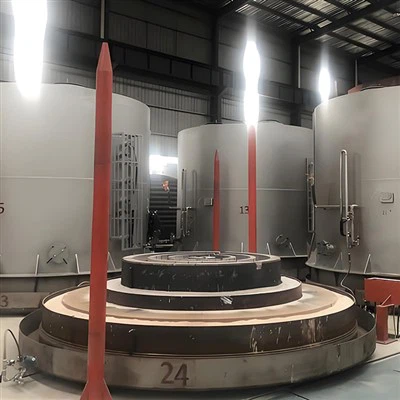
First things first, let's talk about what a roaster is. A roaster is a type of oven or furnace designed specifically for roasting food or materials. There are different types of roasters available in the market, each with its own features and capabilities. For example, we have the Box Type Roasting Furnace, which is great for small to medium-sized batches. It offers a controlled environment for even roasting, making it suitable for various types of stuffed roasts. Then there's the Trolley Type Roasting Furnace, which is ideal for larger quantities. It allows for easy loading and unloading, and its design ensures efficient heat distribution. And if you're looking for something more specialized, the Mold Roasting Furnace can be a great option for specific roasting needs.
Now, let's get to the main question: can a roaster make roasts with stuffing? The answer lies in understanding the key factors involved in roasting stuffed meats. One of the most important things is ensuring that the stuffing reaches a safe internal temperature to avoid any food safety issues. When you're using a roaster, you have better control over the temperature and cooking time compared to other methods. This is crucial because the stuffing needs to be cooked thoroughly, and the meat around it also needs to be cooked to perfection.
When it comes to choosing the right roaster for stuffed roasts, there are a few things to keep in mind. The size of the roaster is important. You need to make sure that it's big enough to accommodate the stuffed roast without overcrowding. Overcrowding can lead to uneven cooking, where some parts of the roast may be undercooked while others are overcooked. Also, consider the type of heat source. Electric roasters are popular because they offer precise temperature control, which is essential for cooking stuffed roasts. Gas roasters, on the other hand, can heat up quickly and provide a more intense heat, which can be beneficial in some cases.
Another factor to consider is the ventilation in the roaster. Good ventilation helps to remove moisture and prevent the roast from becoming soggy. It also allows for better air circulation, which promotes even cooking. Some roasters come with adjustable vents that you can open or close depending on your needs.
Now, let's talk about the stuffing itself. The type of stuffing you use can have a big impact on the final result. There are countless stuffing recipes out there, from traditional bread-based stuffings to more exotic options with fruits, nuts, and herbs. When making stuffing for a roast, it's important to use fresh ingredients and to season it well. You can also add some liquid, such as broth or wine, to keep the stuffing moist.
When preparing the stuffed roast, make sure to stuff it loosely. Tightly packed stuffing can prevent the heat from reaching the center of the roast, leading to undercooked stuffing. Also, secure the roast with twine to keep the stuffing in place and to help the roast hold its shape during cooking.
When it comes to cooking the stuffed roast in the roaster, start by preheating the roaster to the recommended temperature. This helps to ensure that the roast starts cooking right away and that the heat is evenly distributed. Place the stuffed roast in the roaster, making sure to leave some space around it for air circulation. You can also place a rack in the roaster to elevate the roast, which allows the heat to circulate under it as well.


During the cooking process, it's a good idea to check the internal temperature of the roast and the stuffing regularly. You can use a meat thermometer to do this. The stuffing should reach an internal temperature of at least 165°F (74°C) to be safe to eat. The meat should also reach the appropriate internal temperature depending on the type of meat. For example, beef roasts should be cooked to an internal temperature of 145°F (63°C) for medium-rare, 160°F (71°C) for medium, and 170°F (77°C) for well-done.
Once the roast is cooked, let it rest for a few minutes before slicing. This allows the juices to redistribute throughout the meat, making it more tender and flavorful.
In conclusion, a roaster can definitely be used to make roasts with stuffing. With the right roaster, proper preparation, and careful cooking, you can create delicious and safe stuffed roasts every time. Whether you're a home cook looking to impress your family and friends or a professional chef in a restaurant, our range of roasters can meet your needs.
If you're interested in learning more about our roasters or have any questions about using them to make stuffed roasts, feel free to reach out. We're here to help you make the best choice for your roasting needs. Contact us to start a discussion about your requirements and let's work together to find the perfect roaster for you.
References
- Various cooking and food safety resources for information on roasting and stuffed roasts.
- Manufacturer's guidelines for different types of roasters.