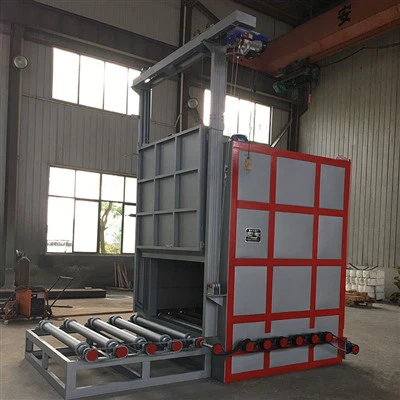
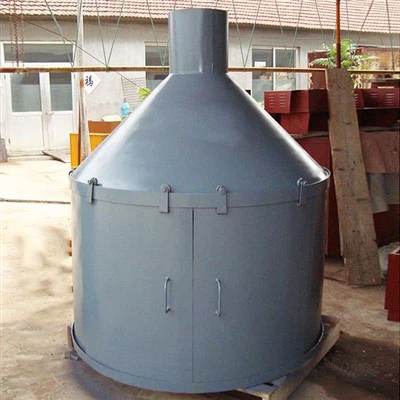
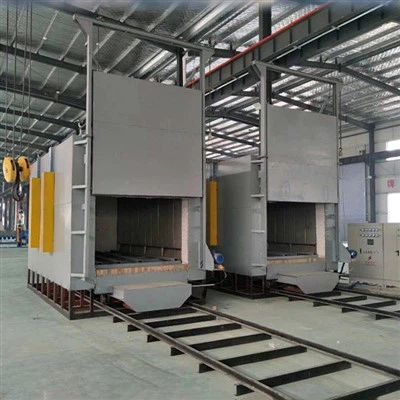
Heat transfer efficiency plays a pivotal role in determining the performance of a Box Annealing Furnace. As a supplier of Box Annealing Furnace, I have witnessed firsthand how variations in heat transfer efficiency can significantly impact the overall functionality and productivity of these furnaces. In this blog, I will delve into the intricate relationship between heat transfer efficiency and the performance of a Box Annealing Furnace, exploring the underlying mechanisms, influencing factors, and practical implications.
Understanding Heat Transfer in a Box Annealing Furnace
Before delving into the impact of heat transfer efficiency, it is essential to understand the fundamental principles of heat transfer in a Box Annealing Furnace. Heat transfer in these furnaces primarily occurs through three mechanisms: conduction, convection, and radiation.
Conduction is the transfer of heat through direct contact between two materials. In a Box Annealing Furnace, conduction occurs when the heated elements come into contact with the workpiece, transferring heat from the source to the material being annealed. The efficiency of conduction depends on the thermal conductivity of the materials involved, the contact area, and the temperature difference between the source and the workpiece.
Convection is the transfer of heat through the movement of a fluid, such as air or a gas. In a Box Annealing Furnace, convection occurs when the heated air or gas circulates within the furnace chamber, carrying heat to the workpiece. The efficiency of convection depends on the flow rate of the fluid, the temperature difference between the fluid and the workpiece, and the design of the furnace chamber.
Radiation is the transfer of heat through electromagnetic waves. In a Box Annealing Furnace, radiation occurs when the heated elements emit infrared radiation, which is absorbed by the workpiece. The efficiency of radiation depends on the temperature of the source, the emissivity of the materials involved, and the distance between the source and the workpiece.
Impact of Heat Transfer Efficiency on Performance
The heat transfer efficiency of a Box Annealing Furnace has a profound impact on its performance in several key areas.
Temperature Uniformity
One of the most critical aspects of annealing is achieving uniform temperature distribution throughout the workpiece. A high heat transfer efficiency ensures that heat is transferred evenly to all parts of the material, minimizing temperature gradients and reducing the risk of thermal stress and distortion. In contrast, poor heat transfer efficiency can result in uneven heating, leading to inconsistent annealing results and potential quality issues.
Annealing Time
The heat transfer efficiency also affects the annealing time required to achieve the desired properties in the workpiece. A more efficient heat transfer process allows for faster heating and cooling rates, reducing the overall annealing cycle time. This not only improves productivity but also reduces energy consumption and operating costs.
Energy Efficiency
Energy efficiency is a major concern in the operation of any industrial furnace. A Box Annealing Furnace with high heat transfer efficiency requires less energy to achieve the desired temperature, resulting in lower energy consumption and reduced operating costs. By minimizing heat losses through efficient insulation and optimized heat transfer mechanisms, the furnace can operate more economically and sustainably.
Product Quality
The quality of the annealed product is directly influenced by the heat transfer efficiency of the furnace. A well-designed furnace with high heat transfer efficiency ensures that the workpiece is annealed under precise and controlled conditions, resulting in consistent mechanical properties, improved microstructure, and enhanced surface finish. In contrast, poor heat transfer efficiency can lead to incomplete annealing, residual stresses, and other quality issues that can compromise the performance and reliability of the final product.
Factors Affecting Heat Transfer Efficiency
Several factors can affect the heat transfer efficiency of a Box Annealing Furnace. Understanding these factors is crucial for optimizing the design and operation of the furnace to achieve maximum performance.
Furnace Design
The design of the furnace plays a significant role in determining its heat transfer efficiency. Factors such as the shape and size of the furnace chamber, the arrangement of the heating elements, and the design of the airflow system can all impact the efficiency of heat transfer. A well-designed furnace chamber promotes uniform airflow and minimizes heat losses, while an optimized heating element arrangement ensures efficient heat distribution.
Insulation
Insulation is essential for minimizing heat losses and improving the energy efficiency of a Box Annealing Furnace. High-quality insulation materials with low thermal conductivity can significantly reduce heat transfer through the furnace walls, doors, and other components. Proper insulation also helps to maintain a stable temperature within the furnace chamber, improving the accuracy and consistency of the annealing process.
Heating Elements
The type and quality of the heating elements used in the furnace can have a significant impact on heat transfer efficiency. Different heating elements have different thermal properties, such as resistance, emissivity, and heating rate. Choosing the right heating elements for the specific application and ensuring their proper installation and maintenance is crucial for achieving optimal heat transfer performance.
Workpiece Loading
The way the workpiece is loaded into the furnace can also affect heat transfer efficiency. Proper loading techniques ensure that the workpiece is positioned in a way that maximizes its exposure to the heat source and promotes uniform heat transfer. Overloading the furnace or stacking the workpieces too closely together can impede airflow and reduce the efficiency of heat transfer.
Furnace Maintenance
Regular maintenance is essential for ensuring the continued performance and efficiency of a Box Annealing Furnace. Over time, the heating elements, insulation, and other components of the furnace can wear out or become damaged, reducing heat transfer efficiency. By performing routine maintenance tasks, such as cleaning the furnace chamber, inspecting the heating elements, and replacing worn-out parts, the furnace can operate at its peak performance.
Improving Heat Transfer Efficiency
There are several strategies that can be employed to improve the heat transfer efficiency of a Box Annealing Furnace.
Optimize Furnace Design
Working with an experienced furnace manufacturer to optimize the design of the furnace can significantly improve heat transfer efficiency. This may involve modifying the shape and size of the furnace chamber, adjusting the arrangement of the heating elements, and improving the airflow system to promote uniform heat distribution.


Upgrade Insulation
Upgrading the insulation materials used in the furnace can reduce heat losses and improve energy efficiency. High-performance insulation materials, such as ceramic fiber blankets or refractory bricks, can provide better thermal insulation and reduce the amount of energy required to maintain the desired temperature.
Use High-Efficiency Heating Elements
Choosing high-efficiency heating elements, such as silicon carbide or molybdenum disilicide, can improve heat transfer performance and reduce energy consumption. These materials have high thermal conductivity and emissivity, allowing for faster and more efficient heat transfer.
Implement Advanced Control Systems
Advanced control systems can help to optimize the operation of the furnace and improve heat transfer efficiency. These systems can monitor and adjust the temperature, airflow, and other parameters in real-time, ensuring that the furnace operates at its peak performance and minimizing energy consumption.
Train Operators
Proper training of furnace operators is essential for ensuring the efficient and effective operation of the furnace. Operators should be trained on the proper loading techniques, temperature control procedures, and maintenance requirements of the furnace to maximize heat transfer efficiency and minimize the risk of downtime.
Conclusion
In conclusion, the heat transfer efficiency of a Box Annealing Furnace is a critical factor that directly impacts its performance, productivity, and energy efficiency. By understanding the principles of heat transfer and implementing strategies to improve efficiency, furnace operators can achieve better annealing results, reduce operating costs, and enhance the overall quality of the products being annealed.
As a supplier of Box Annealing Furnace, we are committed to providing our customers with high-quality furnaces that offer superior heat transfer efficiency and performance. Our team of experts can work with you to design and customize a furnace that meets your specific requirements and ensures optimal annealing results.
If you are interested in learning more about our Box Annealing Furnaces or discussing your annealing needs, please do not hesitate to contact us. We look forward to the opportunity to work with you and help you achieve your production goals.
References
- Incropera, F. P., & DeWitt, D. P. (2002). Fundamentals of Heat and Mass Transfer. Wiley.
- Holman, J. P. (2002). Heat Transfer. McGraw-Hill.
- ASM Handbook, Volume 4: Heat Treating. ASM International.