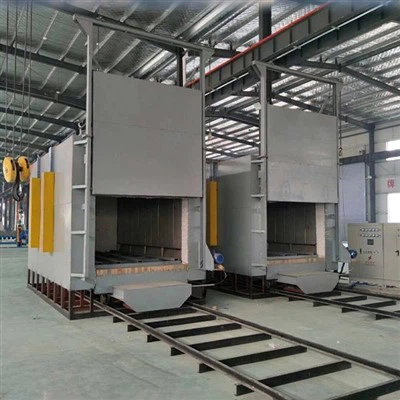
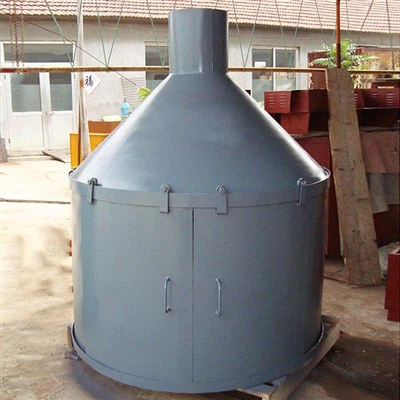
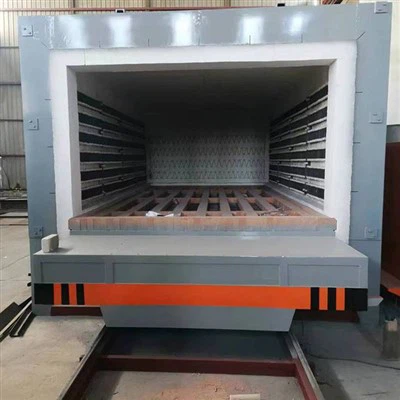
Hey there! As a box furnace supplier, I've seen firsthand how crucial it is to choose the right refractory materials for these furnaces. Box furnaces are used in a wide range of industries, from metallurgy to ceramics, and the performance of the furnace heavily depends on the quality of the refractory materials. So, let's dive into how you can make the right choice.
Understanding the Basics of Refractory Materials
First things first, what exactly are refractory materials? Well, they're special materials that can withstand high temperatures without melting or deforming. In a box furnace, these materials line the inside of the furnace chamber, protecting the outer structure and ensuring efficient heat transfer.
There are several types of refractory materials, each with its own unique properties. The most common ones include fireclay, high - alumina, silica, and magnesite. Fireclay refractories are relatively inexpensive and are great for medium - temperature applications. They have good thermal shock resistance, which means they can handle sudden changes in temperature without cracking.
High - alumina refractories, on the other hand, are more expensive but offer better performance at high temperatures. They have high strength and excellent resistance to chemical corrosion, making them suitable for applications where the furnace will be exposed to harsh chemicals.
Silica refractories are known for their high melting point and low thermal expansion. They're often used in applications where precise temperature control is required, such as in the glass industry. Magnesite refractories are highly resistant to basic slag and are commonly used in steelmaking furnaces.
Factors to Consider When Choosing Refractory Materials
Temperature Requirements
The first and most important factor to consider is the operating temperature of your box furnace. Different refractory materials have different maximum service temperatures. For example, if you're using a High Temperature Box Furnace, you'll need a refractory material that can withstand extremely high temperatures, like high - alumina or silicon carbide refractories.
On the other hand, if you have a Medium Temperature Box Furnace, fireclay refractories might be a more cost - effective option. It's essential to know the exact temperature range your furnace will operate in to ensure the refractory material can handle it without breaking down.


Chemical Environment
The chemical environment inside the furnace is another crucial factor. If your furnace will be used to process materials that produce acidic or basic gases, you need to choose a refractory material that is resistant to chemical attack. For instance, in an aluminum annealing process, as seen in an Aluminum Annealing Production Line, the refractory material should be able to resist the chemical reactions that occur during the annealing process.
Silica refractories are generally resistant to acidic environments, while magnesite refractories are better suited for basic environments. High - alumina refractories offer good resistance to both acidic and basic chemicals, making them a versatile choice in many cases.
Thermal Shock Resistance
Thermal shock occurs when there are rapid changes in temperature inside the furnace. This can cause the refractory material to crack or spall, reducing its lifespan. If your box furnace will experience frequent start - stop cycles or rapid heating and cooling, you need a refractory material with high thermal shock resistance.
Fireclay refractories are known for their good thermal shock resistance, making them a popular choice for furnaces with cyclic operations. Some high - alumina refractories can also be engineered to have improved thermal shock resistance through special manufacturing processes.
Physical Properties
The physical properties of the refractory material, such as density, porosity, and strength, also play a role in the selection process. A denser refractory material generally has better insulation properties, which can help reduce heat loss from the furnace. However, a very dense material may also be more brittle and less resistant to thermal shock.
Porosity is another important property. A refractory material with low porosity is less likely to absorb chemicals and gases, which can extend its lifespan. Strength is crucial, especially in furnaces where the refractory lining may be subject to mechanical stress, such as from the movement of materials inside the furnace.
Cost Considerations
Cost is always a factor in any purchasing decision. While it's tempting to go for the cheapest option, it's important to balance cost with performance. A low - cost refractory material may seem like a good deal upfront, but if it fails prematurely or doesn't perform well, it can end up costing you more in the long run.
Consider the total cost of ownership, which includes the initial purchase price, installation costs, maintenance costs, and replacement costs. A more expensive refractory material with better performance and a longer lifespan may actually be more cost - effective over the life of the furnace.
Installation and Maintenance
The ease of installation and maintenance of the refractory material is also important. Some refractory materials require specialized installation techniques, which can add to the overall cost. Additionally, certain materials may require more frequent maintenance, such as regular inspections and repairs.
Look for a refractory material that is easy to install and maintain. Some manufacturers offer pre - fabricated refractory shapes, which can simplify the installation process and reduce installation time.
Working with a Supplier
As a box furnace supplier, I can tell you that working closely with a reliable refractory material supplier is key. A good supplier can provide you with expert advice on the best refractory material for your specific application. They can also offer technical support during the installation and maintenance process.
When choosing a supplier, look for one with a good reputation, extensive experience in the industry, and a wide range of refractory products. Ask for samples and case studies to see how their products have performed in similar applications.
Conclusion
Choosing the right refractory materials for your box furnace is a complex decision that requires careful consideration of several factors. By understanding the temperature requirements, chemical environment, thermal shock resistance, physical properties, and cost, you can make an informed choice that will ensure the optimal performance and longevity of your furnace.
If you're in the market for a box furnace or need help choosing the right refractory materials, don't hesitate to reach out. We're here to assist you in making the best decision for your specific needs. Whether you're running a small - scale operation or a large industrial facility, we have the expertise and products to meet your requirements. Contact us today to start the conversation about your box furnace and refractory material needs.
References
- "Refractories Handbook" by J. A. Pask and A. E. Clark
- "High - Temperature Materials and Technology" by M. S. Srinivasan
- Industry reports on box furnace and refractory material applications