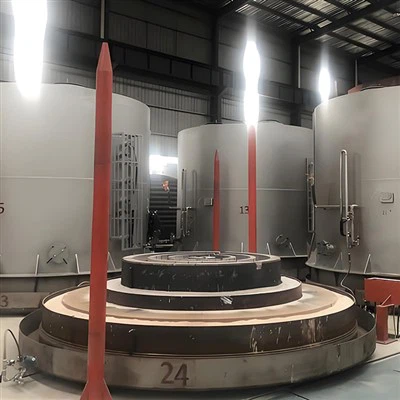
As a supplier of rapid quenching furnaces, I understand the paramount importance of safety when operating these powerful and precise pieces of equipment. Rapid quenching furnaces are widely used in various industries, including metallurgy, automotive, and aerospace, for heat treatment processes that enhance the mechanical properties of metals. However, without proper safety compliance, the use of these furnaces can pose significant risks to operators and the workplace. In this blog post, I will share some essential guidelines on how to comply with safety standards when using a rapid quenching furnace.
Pre - operational Safety Checks
Before starting the rapid quenching furnace, a series of pre - operational safety checks should be carried out. First and foremost, inspect the furnace's physical condition. Check for any visible signs of damage, such as cracks in the furnace lining, loose electrical connections, or leaks in the gas supply system if it is a Natural Gas Rapid Quenching Furnace. Any issues found during this inspection should be addressed immediately by a qualified technician.
Verify the functionality of safety devices. These include temperature sensors, over - temperature alarms, and emergency stop buttons. Ensure that the temperature sensors are accurately calibrated to prevent overheating, which can not only damage the furnace but also pose a fire hazard. The over - temperature alarms should be set at appropriate levels and tested to ensure they will sound in case of abnormal temperature increases. The emergency stop buttons should be easily accessible and in good working condition so that operators can quickly shut down the furnace in case of an emergency.
Inspect the quenching medium. Whether it is oil, water, or another quenching agent, make sure it is clean and at the correct level. Contaminated quenching medium can affect the quality of the heat - treated parts and may also cause chemical reactions that could be dangerous. Additionally, check the circulation system of the quenching medium to ensure proper flow and cooling.
Operator Training
Proper operator training is crucial for safety compliance. All operators should receive comprehensive training on the operation, maintenance, and safety procedures of the rapid quenching furnace. The training should cover topics such as furnace startup and shutdown procedures, temperature control, handling of quenching media, and emergency response.
During the training, operators should be taught how to read and interpret the furnace's control panel. They need to understand how to set the correct temperature, time, and other parameters for different heat - treatment processes. They should also be trained on how to handle the parts being heat - treated safely, including proper loading and unloading techniques. For example, when loading parts into the furnace, operators should use appropriate tools to avoid direct contact with hot surfaces and ensure that the parts are evenly distributed to prevent uneven heating.
Training on the handling of quenching media is also essential. Operators should know the properties and hazards of the quenching medium they are using. For example, oil - based quenching media are flammable, so operators need to be trained on how to prevent spills and how to handle oil fires. Water - based quenching media may cause steam explosions if not used correctly, so operators should understand the proper procedures for adding and removing parts from the water bath.
Safety Equipment
Provide operators with the necessary personal protective equipment (PPE). This includes heat - resistant gloves, safety glasses, face shields, and protective clothing. Heat - resistant gloves are essential for handling hot parts and operating the furnace controls. Safety glasses and face shields protect the eyes and face from flying debris, sparks, and hot splashes. Protective clothing, such as flame - resistant aprons and long - sleeved shirts, can prevent burns from direct contact with hot surfaces or splashes of quenching media.
In addition to PPE, install safety guards around the furnace. These guards can prevent operators from accidentally coming into contact with hot surfaces, moving parts, or the quenching bath. The guards should be made of sturdy materials and be properly secured. They should also be designed in a way that does not impede the normal operation of the furnace but still provides adequate protection.
Have fire - fighting equipment readily available near the furnace. This includes fire extinguishers suitable for the type of fire hazards associated with the furnace and quenching media. For example, if using an oil - based quenching medium, dry chemical or foam fire extinguishers should be available. Regularly inspect and maintain the fire - fighting equipment to ensure it is in good working condition.
Operational Safety
During operation, operators should closely monitor the furnace's parameters. Continuously check the temperature, pressure, and other operating conditions to ensure they are within the specified range. Any deviation from the normal operating parameters should be investigated immediately. If the temperature starts to rise unexpectedly, for example, the operator should stop the process and check for possible causes, such as a malfunctioning temperature sensor or a blocked ventilation system.
Maintain proper ventilation in the furnace area. Rapid quenching furnaces generate heat, fumes, and sometimes toxic gases. Adequate ventilation can remove these harmful substances from the workplace, protecting the health of the operators. The ventilation system should be regularly inspected and maintained to ensure proper airflow.
Avoid overloading the furnace. Each rapid quenching furnace has a maximum loading capacity, and exceeding this capacity can lead to uneven heating, overheating, and potential damage to the furnace. Operators should carefully calculate the number and size of the parts to be loaded based on the furnace's specifications.
Maintenance and Inspection
Regular maintenance and inspection are essential for the safe operation of the rapid quenching furnace. Establish a maintenance schedule that includes tasks such as cleaning the furnace interior, checking the electrical and mechanical components, and replacing worn - out parts.
Clean the furnace interior regularly to remove scale, debris, and other contaminants. Buildup of these substances can affect the furnace's performance and may also cause hot spots that could lead to overheating. Check the electrical components, such as wiring, switches, and relays, for signs of wear or damage. Loose or damaged electrical connections can cause short circuits and fires.
Inspect the mechanical components, including the furnace door, conveyor system (if applicable), and quenching medium circulation pump. Ensure that the furnace door seals properly to prevent heat loss and the escape of fumes. The conveyor system should be lubricated and in good working condition to ensure smooth movement of parts. The quenching medium circulation pump should be checked for proper flow and pressure.
Emergency Preparedness
Develop an emergency response plan for the rapid quenching furnace. The plan should outline the steps to be taken in case of various emergencies, such as fires, explosions, or chemical spills. All operators should be familiar with the emergency response plan and know their roles and responsibilities in an emergency.
Conduct regular emergency drills. These drills should simulate different emergency scenarios, such as a fire in the furnace or a spill of quenching medium. During the drills, operators should practice using the emergency stop buttons, evacuating the area, and using the fire - fighting equipment. The drills help to ensure that operators can respond quickly and effectively in case of a real emergency.
In conclusion, complying with safety standards when using a rapid quenching furnace is essential for the well - being of operators and the smooth operation of the workplace. By following the guidelines of pre - operational checks, providing proper operator training, using appropriate safety equipment, maintaining the furnace regularly, and being prepared for emergencies, you can minimize the risks associated with the use of rapid quenching furnaces.


If you are interested in purchasing a high - quality rapid quenching furnace, such as our Forklift Type Rapid Quenching Furnace, or have any questions about safety compliance and furnace operation, please feel free to contact us for further discussion and procurement negotiation.
References
- "Industrial Furnace Safety Handbook", various industry - specific safety organizations
- Manufacturer's manuals for rapid quenching furnaces
- Occupational Safety and Health Administration (OSHA) guidelines on heat - treatment equipment safety