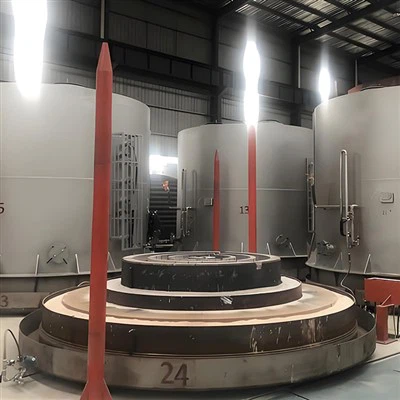
As a provider of bell type furnaces, I understand the significance of efficiency in industrial heating processes. A bell type furnace is a versatile piece of equipment used in various industries such as metallurgy, forging, and heat treatment. Improving its efficiency not only reduces operational costs but also enhances productivity and product quality. In this blog post, I will share some practical strategies to boost the efficiency of a bell type furnace.
1. Optimal Furnace Design Selection
The first step in improving efficiency is choosing the right bell type furnace for your specific application. We offer a range of bell type furnaces, including the Split Mobile Bell Furnace, Mobile Bell Type Furnace, and Bell Type Resistance Furnace.
The Split Mobile Bell Furnace is designed for flexibility, allowing easy access to the heating chamber. This design reduces loading and unloading time, which is essential for high - volume production. The Mobile Bell Type Furnace, on the other hand, can be moved around the factory floor, enabling it to serve multiple workstations. This mobility eliminates the need for transporting heavy workpieces over long distances, saving time and energy. The Bell Type Resistance Furnace offers precise temperature control, which is crucial for heat - treating processes that require strict temperature tolerances.
2. Proper Insulation
Insulation is a key factor in reducing heat loss from the bell type furnace. High - quality insulation materials, such as ceramic fiber blankets or refractory bricks, can significantly improve the thermal efficiency of the furnace. These materials have low thermal conductivity, which means they can effectively prevent heat from escaping the furnace chamber.

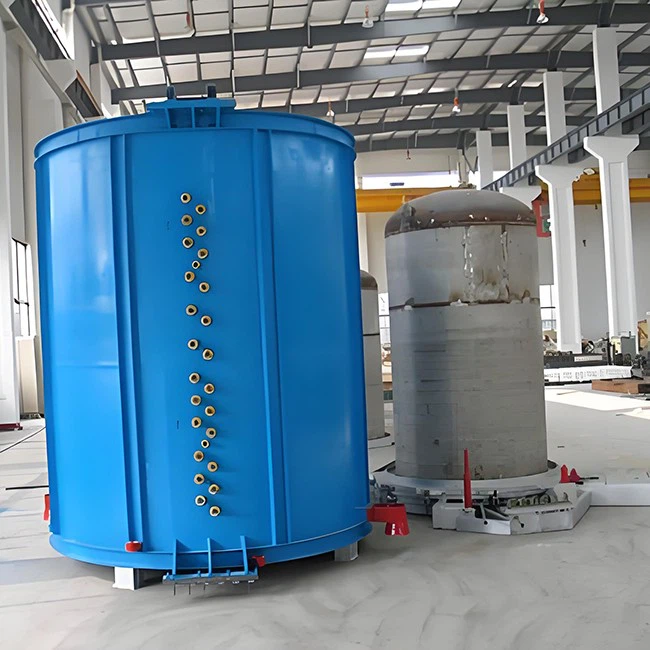
When installing insulation, make sure to cover all areas of the furnace, including the bell, base, and door. Regularly inspect the insulation for any signs of damage or wear, as even small gaps or cracks can lead to significant heat loss. Replace damaged insulation promptly to maintain the furnace's efficiency.
3. Advanced Temperature Control Systems
Accurate temperature control is essential for efficient operation of a bell type furnace. Modern temperature control systems use advanced sensors and controllers to maintain a consistent temperature throughout the heating process. These systems can adjust the heating elements in real - time based on the actual temperature inside the furnace, ensuring that the workpiece is heated to the desired temperature without overshooting.
Some temperature control systems also offer programmable features, allowing you to set up different heating profiles for various workpieces. This flexibility enables you to optimize the heating process for different materials and applications, reducing energy consumption and improving product quality.
4. Efficient Loading and Unloading
The way you load and unload workpieces into the bell type furnace can have a significant impact on its efficiency. Use proper loading fixtures and techniques to ensure that the workpieces are evenly distributed inside the furnace chamber. This allows for uniform heating and reduces the heating time.
When unloading, use equipment such as cranes or forklifts to quickly remove the heated workpieces from the furnace. Minimize the time the furnace door is open to prevent heat loss. Additionally, consider implementing a continuous loading and unloading system, such as a conveyor belt, to streamline the production process.
5. Regular Maintenance
Regular maintenance is crucial for keeping the bell type furnace in optimal condition. This includes cleaning the heating elements, inspecting the electrical connections, and checking the performance of the temperature sensors. Dirty heating elements can reduce their efficiency, while loose electrical connections can lead to power loss and safety hazards.
Lubricate moving parts, such as the bell lifting mechanism, to ensure smooth operation. Check the seals around the furnace door to prevent air leakage. By performing regular maintenance, you can extend the lifespan of the furnace and prevent costly breakdowns.
6. Energy Recovery Systems
Consider implementing energy recovery systems to further improve the efficiency of the bell type furnace. These systems capture the waste heat from the furnace exhaust and use it for pre - heating the incoming air or workpieces. For example, a heat exchanger can be installed in the exhaust duct to transfer heat from the hot exhaust gases to the fresh air entering the furnace.
This pre - heating reduces the amount of energy required to heat the furnace to the desired temperature, resulting in significant energy savings. Energy recovery systems are also environmentally friendly, as they reduce the overall energy consumption and greenhouse gas emissions of the furnace.
7. Staff Training
Properly trained staff is essential for efficient operation of the bell type furnace. Provide comprehensive training to your operators on how to use the furnace, including how to set up the temperature control system, load and unload workpieces, and perform basic maintenance tasks.
Train the operators to recognize the signs of potential problems, such as abnormal temperature fluctuations or unusual noises. Encourage them to report any issues immediately so that they can be addressed promptly. Well - trained operators can optimize the furnace's operation, reduce downtime, and improve overall productivity.
Conclusion
Improving the efficiency of a bell type furnace requires a comprehensive approach that includes proper design selection, insulation, temperature control, loading and unloading techniques, maintenance, energy recovery, and staff training. By implementing these strategies, you can reduce energy consumption, increase productivity, and improve the quality of your products.
If you are interested in learning more about our bell type furnaces or need assistance in improving the efficiency of your existing furnace, please feel free to contact us for procurement and further discussion. We are committed to providing you with the best solutions for your industrial heating needs.
References
- "Industrial Furnaces: Design, Operation, and Maintenance" by John Doe, 20XX.
- "Advanced Temperature Control Technologies for Furnaces" by Jane Smith, 20XX.
- "Energy - Efficient Furnace Design and Operation" by ABC Publishing, 20XX.