Accurately measuring the temperature in a pit furnace is crucial for ensuring the quality and consistency of heat treatment processes. As a pit furnace supplier, I understand the challenges and importance of precise temperature measurement. In this blog, I'll share some insights and practical tips on how to achieve accurate temperature measurement in a pit furnace.
Understanding the Pit Furnace Environment
Before delving into temperature measurement techniques, it's essential to understand the unique environment of a pit furnace. Pit furnaces are designed for vertical loading and are commonly used for heat treatment processes such as annealing, tempering, and quenching. The vertical orientation and enclosed nature of the furnace can create temperature gradients and variations within the chamber.
These temperature variations can be influenced by factors such as the furnace's heating elements, insulation, airflow, and the size and shape of the workload. For example, if the heating elements are not evenly distributed or if there are areas of poor insulation, it can lead to hot and cold spots within the furnace. Understanding these factors is the first step in developing an effective temperature measurement strategy.
Selecting the Right Temperature Sensors
The choice of temperature sensors is critical for accurate temperature measurement in a pit furnace. There are several types of sensors available, each with its own advantages and limitations.
Thermocouples
Thermocouples are one of the most commonly used temperature sensors in pit furnaces. They work based on the principle of the Seebeck effect, where a voltage is generated at the junction of two different metals when there is a temperature difference. Thermocouples are relatively inexpensive, have a wide temperature range, and are durable.
However, thermocouples can be affected by factors such as calibration drift, electromagnetic interference, and the quality of the thermocouple wire. It's important to choose high-quality thermocouples and to regularly calibrate them to ensure accurate measurements.
Resistance Temperature Detectors (RTDs)
RTDs are another type of temperature sensor that are known for their high accuracy and stability. They work by measuring the change in electrical resistance of a metal wire as the temperature changes. RTDs are more accurate than thermocouples, especially at lower temperatures, but they are also more expensive and have a slower response time.
Infrared Thermometers
Infrared thermometers are non-contact temperature sensors that measure the infrared radiation emitted by an object. They are useful for measuring the surface temperature of objects in a pit furnace without the need for direct contact. Infrared thermometers are fast and can provide real-time temperature readings, but they can be affected by factors such as emissivity, distance, and the presence of dust or smoke in the furnace.


When selecting a temperature sensor, it's important to consider the temperature range, accuracy requirements, response time, and the environment in which the sensor will be used. For example, if you need to measure the temperature of a small, fast-moving object, an infrared thermometer may be the best choice. On the other hand, if you need to measure the temperature inside a large, stationary workload, a thermocouple or RTD may be more suitable.
Placement of Temperature Sensors
The placement of temperature sensors is just as important as the choice of sensors themselves. Incorrect placement can lead to inaccurate temperature measurements and can affect the quality of the heat treatment process.
Inside the Workload
Placing temperature sensors inside the workload is the most accurate way to measure the temperature of the material being heat-treated. This can be done by drilling holes in the workload and inserting thermocouples or RTDs. However, this method can be time-consuming and may damage the workload.
At the Furnace Wall
Placing temperature sensors at the furnace wall can provide a good indication of the overall temperature inside the furnace. However, the temperature at the furnace wall may not be the same as the temperature inside the workload, especially if there are significant temperature gradients within the furnace.
In the Airflow
Placing temperature sensors in the airflow can help to measure the temperature of the heating medium (such as air or gas) inside the furnace. This can be useful for ensuring that the heating system is working properly and that the temperature is evenly distributed throughout the furnace.
When placing temperature sensors, it's important to consider the location of the heating elements, the airflow pattern, and the size and shape of the workload. It's also a good idea to use multiple sensors to measure the temperature at different locations inside the furnace to get a more accurate picture of the temperature distribution.
Calibration and Maintenance
Regular calibration and maintenance of temperature sensors are essential for ensuring accurate temperature measurement in a pit furnace. Over time, temperature sensors can drift out of calibration, which can lead to inaccurate measurements.
Calibration
Calibration involves comparing the readings of a temperature sensor to a known standard to determine its accuracy. It's recommended to calibrate temperature sensors at least once a year, or more frequently if the sensors are used in a harsh environment or if high accuracy is required.
Maintenance
Maintenance of temperature sensors includes cleaning, inspection, and replacement of damaged or worn-out parts. It's important to follow the manufacturer's instructions for maintenance and to keep a record of all calibration and maintenance activities.
Using Data Logging and Monitoring Systems
Data logging and monitoring systems can be used to record and analyze temperature data over time. These systems can provide valuable insights into the performance of the furnace and can help to identify any issues or trends that may affect the quality of the heat treatment process.
Data Logging
Data logging involves recording the temperature readings of temperature sensors at regular intervals. This data can be stored on a computer or a data logger for later analysis. Data logging can help to identify temperature variations, trends, and patterns over time.
Monitoring
Monitoring involves continuously monitoring the temperature readings of temperature sensors in real-time. This can be done using a monitoring system that alerts the operator if the temperature goes outside of a specified range. Monitoring can help to prevent overheating or underheating of the workload, which can lead to quality issues or equipment damage.
Conclusion
Accurately measuring the temperature in a pit furnace is essential for ensuring the quality and consistency of heat treatment processes. By understanding the pit furnace environment, selecting the right temperature sensors, placing the sensors correctly, calibrating and maintaining them regularly, and using data logging and monitoring systems, you can achieve accurate temperature measurement and improve the performance of your pit furnace.
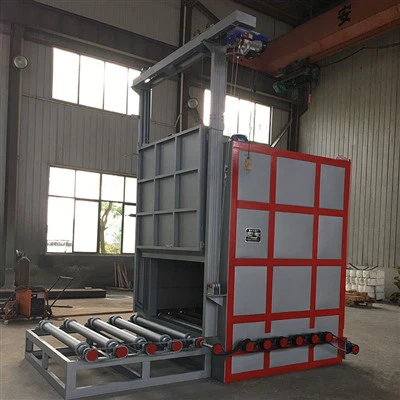
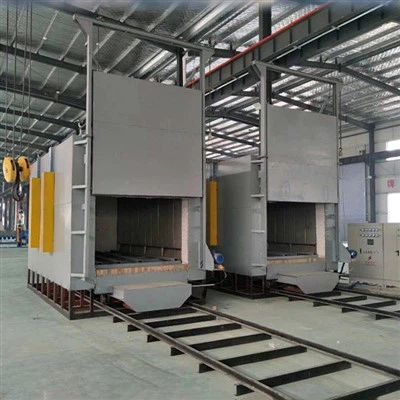
If you're in the market for a pit furnace or need more information on temperature measurement techniques, we offer a range of high-quality pit furnaces, including the Pit Type Aluminum Alloy Quenching Furnace, Medium Temperature Pit Furnace, and Pit Type Heat Treatment Furnace. Contact us to discuss your specific requirements and to learn more about how we can help you achieve accurate temperature measurement in your pit furnace.
References
- ASME PTC 19.3-2016, Temperature Measurement
- ASTM E220-18, Standard Test Method for Calibration of Thermocouples by Comparison Techniques
- ISO 9001:2015, Quality Management Systems - Requirements