Hey there! As a supplier of trolley furnaces, I've seen firsthand how heat loss can be a real pain in the neck for businesses using these furnaces. Not only does it increase energy costs, but it can also affect the quality of the products being processed. So, in this blog post, I'm gonna share some tips on how to minimize heat loss in a trolley furnace.
1. Insulation is Key
One of the most important things you can do to reduce heat loss is to make sure your trolley furnace is well-insulated. High-quality insulation materials can significantly reduce the amount of heat that escapes from the furnace. There are different types of insulation materials available, such as ceramic fiber, mineral wool, and refractory bricks.
Ceramic fiber insulation is a popular choice because it has excellent thermal properties and is lightweight. It can withstand high temperatures and provides good insulation performance. Mineral wool is another option, which is more affordable and also has decent insulation capabilities. Refractory bricks are commonly used for the furnace lining as they are very durable and can resist high temperatures.
When installing insulation, make sure it's properly fitted and there are no gaps or holes. Any small opening can allow heat to escape, so pay close attention to the joints and seams. You might also want to consider adding an extra layer of insulation in areas that are more prone to heat loss, like the doors and the trolley itself.
2. Seal Those Gaps
Gaps around the doors, windows, and other openings in the trolley furnace can be a major source of heat loss. Even the tiniest crack can let a significant amount of hot air out. To fix this, you need to seal all the gaps properly.
There are various sealing materials available, such as high-temperature gaskets and refractory cement. Gaskets are great for sealing the doors and windows. They create a tight seal when the doors are closed, preventing heat from leaking out. Refractory cement can be used to fill in any cracks or holes in the furnace structure.
Regularly check the seals for wear and tear. Over time, the gaskets can become damaged or lose their elasticity, so it's important to replace them as needed. You can also use a smoke test to identify any hidden gaps. Just light a smoke stick near the potential leak areas and see if the smoke is drawn out. If it is, you've found a gap that needs to be sealed.
3. Optimize the Trolley Design
The design of the trolley itself can have a big impact on heat loss. A poorly designed trolley can allow heat to transfer to the floor and the surrounding environment.
First, make sure the trolley has good insulation. You can insulate the bottom and sides of the trolley using the same insulation materials as the furnace. This will reduce the amount of heat that is conducted through the trolley to the floor.
Another important aspect is the wheels and axles. They should be made of materials with low thermal conductivity. For example, using ceramic or high-temperature plastic wheels can help reduce heat transfer from the hot trolley to the floor.
Also, consider the shape of the trolley. A streamlined design can reduce air resistance and prevent hot air from being forced out of the furnace as the trolley moves in and out. Some modern trolley designs have features like aerodynamic skirts that help to minimize heat loss during operation.
4. Control the Airflow
Proper airflow management is crucial for minimizing heat loss in a trolley furnace. Uncontrolled airflow can carry heat out of the furnace and also cause uneven heating inside.
Install adjustable dampers in the ventilation system. These dampers allow you to control the amount of air entering and leaving the furnace. By adjusting the dampers, you can optimize the airflow to ensure that only the necessary amount of air is exchanged.
You should also make sure that the air intake is located in a position where it won't draw in cold air directly into the furnace. A well-placed air intake can help to pre - heat the incoming air, reducing the energy required to heat it up inside the furnace.
In addition, consider using a recirculation system. This system can capture the hot air that would otherwise be exhausted and reuse it to heat the furnace. It can significantly reduce energy consumption and heat loss.
5. Regular Maintenance
Regular maintenance of the trolley furnace is essential for keeping heat loss to a minimum. A furnace that is not well - maintained is more likely to have problems with insulation, seals, and airflow.
Check the insulation regularly for signs of damage or degradation. If you notice any areas where the insulation is worn or missing, repair or replace it immediately. Inspect the seals around the doors and windows to make sure they are still in good condition.
Clean the furnace regularly to remove any dirt, debris, or ash that can accumulate over time. This can affect the performance of the insulation and the airflow. You should also check the heating elements, thermocouples, and other components to ensure they are working properly.
By performing regular maintenance, you can catch any potential problems early and prevent them from turning into major issues that lead to increased heat loss.
6. Upgrade Your Furnace
If your trolley furnace is old and outdated, it might be worth considering an upgrade. Newer models often come with advanced insulation materials, better sealing technologies, and more efficient airflow systems.
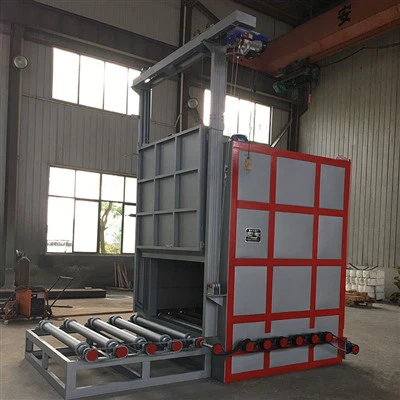
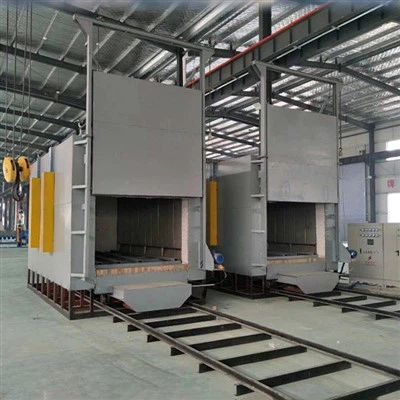
When looking for a new furnace, consider different types such as the Trolley Type Forging Furnace, Tumble Car Furnace, and Segmented Bogie Furnace. These furnaces are designed with the latest technologies to minimize heat loss and improve energy efficiency.


Upgrading your furnace can be a significant investment, but in the long run, it can save you a lot of money on energy costs and improve the overall performance of your operations.
Contact Us for More Info
If you're looking to minimize heat loss in your trolley furnace or are interested in purchasing a new one, we're here to help. We've got a wide range of high - quality trolley furnaces and can provide you with all the support and advice you need. Whether it's choosing the right insulation materials, sealing solutions, or upgrading your existing furnace, we've got the expertise. So, don't hesitate to get in touch with us and start saving on your energy costs today!
References
- "Industrial Furnace Handbook: Principles, Design, and Operation"
- "Heat Transfer in Furnaces" by V. V. Khmelevskii