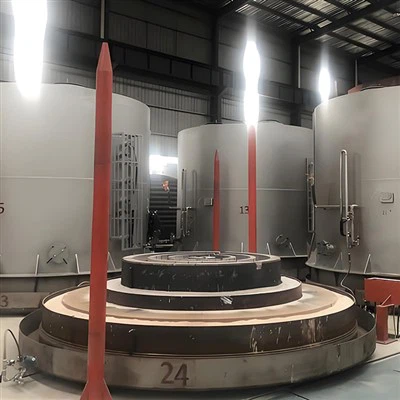
How to Replace the Heating Elements in a Pit Furnace
As a seasoned supplier of pit furnaces, I've witnessed firsthand the importance of maintaining these industrial workhorses. One of the most critical maintenance tasks is replacing the heating elements. In this blog post, I'll guide you through the process, sharing insights and best practices based on years of experience.
Understanding the Importance of Heating Elements
Heating elements are the heart of a pit furnace. They are responsible for generating the heat necessary to reach and maintain the desired temperature for various industrial processes, such as annealing, tempering, and hardening. Over time, these elements can wear out due to factors like high temperatures, oxidation, and mechanical stress. When this happens, the furnace's performance can decline, leading to inconsistent temperatures, longer heating times, and increased energy consumption. Replacing the heating elements in a timely manner is essential to ensure the furnace operates efficiently and effectively.
Types of Pit Furnaces and Their Heating Elements
Before diving into the replacement process, it's important to understand the different types of pit furnaces and their corresponding heating elements. At our company, we offer a range of pit furnaces, including the Pit Type Aluminum Alloy Quenching Furnace, All Fiber Pit Furnace, and Low Temperature Pit Furnace.
- Pit Type Aluminum Alloy Quenching Furnace: This type of furnace is designed specifically for quenching aluminum alloys. It typically uses high - temperature resistant heating elements, such as silicon carbide or molybdenum disilicide elements, to achieve the rapid heating and cooling required for the quenching process.
- All Fiber Pit Furnace: The all - fiber pit furnace is known for its energy efficiency and excellent insulation properties. It often uses resistance heating elements, like nickel - chromium or iron - chromium - aluminum alloys, which are embedded in the fiber insulation to provide uniform heating.
- Low Temperature Pit Furnace: As the name suggests, this furnace is used for processes that require lower temperatures. It usually employs heating elements made of materials with lower melting points and better resistance to oxidation at lower temperatures, such as nichrome wire.
Preparing for the Replacement
Before you start replacing the heating elements, it's crucial to take the necessary safety precautions. First, make sure the furnace is completely shut down and has cooled down to room temperature. This may take several hours, depending on the size and temperature of the furnace.
Next, gather all the tools and materials you'll need for the replacement. This typically includes a set of wrenches, pliers, a multimeter for testing electrical connections, and, of course, the new heating elements. Ensure that the new elements are the correct type and size for your furnace.
It's also a good idea to review the furnace's manual. The manual will provide detailed information about the furnace's specific heating element configuration, electrical connections, and any special instructions for replacement.
Removing the Old Heating Elements
Once you've completed the preparations, it's time to remove the old heating elements. Start by opening the furnace door or access panel. Be careful, as there may be residual heat or sharp edges inside the furnace.
Locate the heating elements. They are usually mounted on the walls or floor of the furnace chamber. In some cases, they may be covered by a protective shield or insulation material. If so, carefully remove the shield or insulation to expose the elements.
Next, disconnect the electrical connections to the heating elements. Use a wrench or pliers to loosen the nuts or bolts that secure the electrical wires to the elements. Make sure to label the wires or take a picture of the connections before disconnecting them to ensure proper reinstallation later.
After disconnecting the electrical connections, you can remove the heating elements from their mounts. Some elements may be held in place by screws or clips, while others may simply slide out. Use the appropriate tools to remove the elements carefully, taking care not to damage the furnace or other components.
Installing the New Heating Elements
Once the old heating elements have been removed, it's time to install the new ones. Start by carefully placing the new elements in the same mounts where the old ones were located. Make sure they are properly aligned and seated securely.
Reconnect the electrical connections to the new heating elements. Follow the labels or the picture you took earlier to ensure the wires are connected correctly. Tighten the nuts or bolts securely to ensure good electrical contact.


If there was a protective shield or insulation material covering the elements, reinstall it. Make sure it is properly positioned and secured to protect the new elements and maintain the furnace's insulation properties.
Testing the New Heating Elements
After installing the new heating elements, it's important to test them before putting the furnace back into operation. First, close the furnace door or access panel.
Connect the furnace to the power supply and turn it on. Use a multimeter to test the electrical current and voltage at the heating elements. The readings should be within the specifications provided in the furnace manual.
Monitor the furnace's temperature as it heats up. It should reach the desired temperature within the expected time frame. If the temperature does not rise or if there are any abnormal fluctuations, there may be a problem with the installation or the new elements. In this case, turn off the furnace immediately and double - check the electrical connections and element installation.
Maintenance Tips for Prolonging the Life of Heating Elements
To ensure the long - term performance of your pit furnace's heating elements, it's important to follow some maintenance tips:
- Regular Cleaning: Keep the furnace chamber clean to prevent the buildup of dirt, debris, and scale on the heating elements. This can reduce heat transfer and increase the risk of element failure.
- Proper Temperature Control: Avoid overheating the furnace, as this can accelerate the wear and tear of the heating elements. Use a reliable temperature controller and monitor the furnace's temperature regularly.
- Inspect Regularly: Conduct regular inspections of the heating elements for signs of damage, such as cracks, breaks, or corrosion. Replace any damaged elements promptly to prevent further problems.
Contact Us for Your Pit Furnace Needs
If you're in the market for a new pit furnace or need assistance with heating element replacement or other maintenance tasks, we're here to help. Our team of experts has years of experience in the industry and can provide you with the best solutions for your specific needs. Whether you're looking for a Pit Type Aluminum Alloy Quenching Furnace, All Fiber Pit Furnace, or Low Temperature Pit Furnace, we have the expertise and products to meet your requirements.
Don't hesitate to contact us to discuss your pit furnace needs and explore our range of products and services. We look forward to working with you to ensure the efficient and reliable operation of your industrial processes.
References
- Industrial Furnace Handbook: Principles, Designs, and Applications.
- Manufacturer's manuals for pit furnaces.