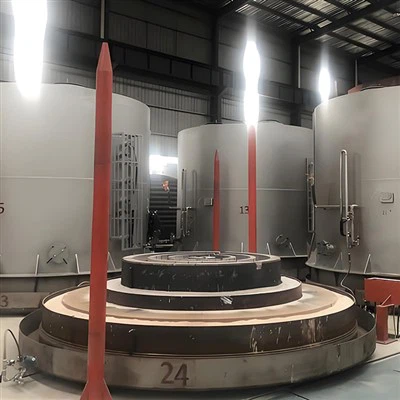
Hey there! As a supplier of Pit Quenching Furnaces, I've seen firsthand how crucial it is to keep these machines in top - notch condition. And sometimes, that means upgrading them. In this blog post, I'm gonna share some tips on how to upgrade a Pit Quenching Furnace.
Why Upgrade?
Before we jump into how to upgrade, let's talk about why you might want to. Over time, technology advances, and your old furnace might start to lag behind. Upgrading can improve efficiency, which means you'll save on energy costs. It can also boost the quality of your quenching process, leading to better - quality products. Plus, a newer, upgraded furnace is generally more reliable, so you'll have fewer breakdowns and less downtime.
1. Control System Upgrade
One of the first things you can consider upgrading is the control system. An old - fashioned control system might not be as accurate or flexible as the new ones on the market. Modern control systems can offer precise temperature control, which is super important for quenching. You can set up specific temperature profiles, so the furnace heats and cools at the exact rates you need for your materials.
When looking for a new control system, go for one that's user - friendly. You don't want your operators to have a hard time figuring out how to use it. Look for touch - screen interfaces that are intuitive. Also, some control systems come with remote monitoring capabilities. That means you can check on the furnace's performance from your phone or computer, which is a huge plus, especially if you have multiple furnaces or a large facility.


2. Heating Elements
The heating elements in a pit quenching furnace play a vital role. If they're old or worn out, they might not heat the furnace evenly. This can lead to inconsistent quenching results. You can upgrade to more efficient heating elements. For example, some new heating elements are made of advanced materials that can heat up faster and use less energy.
When replacing the heating elements, make sure they're the right size and type for your furnace. You can consult with a technician or the furnace manufacturer to get the correct specifications. And don't forget to follow the safety procedures during the replacement process.
3. Insulation
Good insulation is key to keeping the heat inside the furnace. If your furnace's insulation is damaged or not as effective as it used to be, a lot of heat can escape. This not only wastes energy but also makes it harder to maintain the right temperature.
You can upgrade to high - performance insulation materials. These materials are designed to have better heat - retention properties. They can also withstand higher temperatures without degrading. When installing the new insulation, make sure it's properly sealed around all the joints and openings in the furnace. This will prevent any heat leaks.
4. Quenching Medium Delivery System
The way the quenching medium is delivered to the parts being quenched can have a big impact on the process. An old delivery system might not distribute the medium evenly. This can cause uneven cooling and lead to issues like distortion or cracking in the parts.
Consider upgrading to a more advanced quenching medium delivery system. Some systems use nozzles or sprayers that are designed to distribute the medium more evenly over the parts. You can also look for systems that allow you to adjust the flow rate and pressure of the quenching medium. This gives you more control over the cooling process.
Other Related Furnaces
If you're in the market for different types of quenching furnaces, we also offer a variety of options. For instance, the Box Type Quenching Furnace is great for certain applications. It has a box - like structure that can be very useful for batch processing.
The Forklift Quenching Furnace is designed specifically for forklift parts. It's built to handle the unique requirements of quenching these parts, ensuring they have the right strength and durability.
And if you're working with aluminum alloys, the Vertical Aluminum Alloy Quenching Furnace is a great choice. Its vertical design is optimized for the quenching process of aluminum alloy parts.
Cost - Benefit Analysis
Upgrading a pit quenching furnace does come with a cost. But it's important to do a cost - benefit analysis. Look at how much you'll save on energy costs over time. Consider the improvement in product quality and how that can lead to more sales or fewer returns. Also, think about the reduced downtime due to fewer breakdowns.
In most cases, the long - term benefits of upgrading far outweigh the initial investment. But make sure to do your research and get quotes from different suppliers before making a decision.
Professional Help
Upgrading a pit quenching furnace can be a complex task. If you're not sure about how to do it, it's a good idea to get professional help. You can hire a technician who specializes in furnace upgrades. They have the knowledge and experience to do the job right. They can also help you choose the right components for your upgrade.
Conclusion
Upgrading a pit quenching furnace is a great way to improve its performance, efficiency, and reliability. By focusing on the control system, heating elements, insulation, and quenching medium delivery system, you can take your furnace to the next level. And if you're interested in other types of quenching furnaces, we've got you covered with options like the Box Type Quenching Furnace, Forklift Quenching Furnace, and Vertical Aluminum Alloy Quenching Furnace.
If you're thinking about upgrading your pit quenching furnace or are interested in our other furnace products, don't hesitate to reach out. We're here to help you make the best decision for your business. Contact us to start a procurement discussion and find out how we can meet your heat - treatment needs.
References
- Industry standard guidelines for furnace upgrades
- Technical manuals of pit quenching furnaces
- Research papers on heat - treatment furnace efficiency improvements