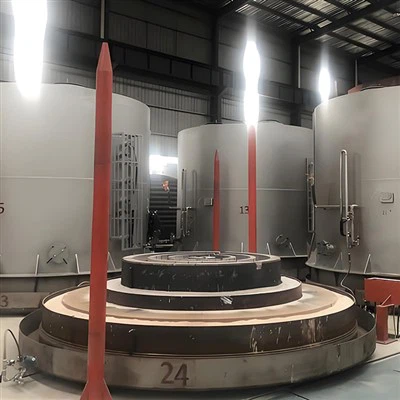
As a supplier of annealing furnaces, I've witnessed firsthand the crucial role these machines play in various industries. Annealing furnaces are essential for heat - treating metals to enhance their physical properties, such as hardness, ductility, and strength. However, like many industrial processes, they also have significant environmental impacts that we must understand and address.
Energy Consumption
One of the most prominent environmental impacts of annealing furnaces is their high energy consumption. These furnaces operate at elevated temperatures, often ranging from a few hundred to over a thousand degrees Celsius, depending on the type of metal and the annealing process. The energy required to reach and maintain these temperatures is substantial, and most annealing furnaces rely on fossil fuels like natural gas or electricity generated from non - renewable sources.
For example, in a large - scale industrial setting, a continuous annealing furnace might run 24/7 to meet production demands. The constant heating process consumes a vast amount of energy, contributing to increased greenhouse gas emissions. When natural gas is burned in an annealing furnace, it releases carbon dioxide (CO₂), a major greenhouse gas responsible for global warming. Even when using electricity, if the power is sourced from coal - fired power plants, the environmental footprint is significant due to the high CO₂ emissions associated with coal combustion.
In our product line, we offer different types of annealing furnaces, such as the Mesh Belt Annealing Furnace, Roller Annealing Furnace, and Trolley Annealing Furnace. Each type has its own energy requirements, and we are constantly working on improving their energy efficiency. For instance, we have developed advanced insulation materials for our furnaces. These materials reduce heat loss during the annealing process, meaning less energy is needed to maintain the desired temperature. By upgrading to our more energy - efficient models, customers can significantly cut down on their energy consumption and, in turn, reduce their environmental impact.
Air Pollution
Apart from greenhouse gas emissions, annealing furnaces can also contribute to air pollution. When metals are heated in the furnace, various pollutants can be released into the air. For example, if the metal contains impurities such as sulfur or heavy metals, these substances can be volatilized during the annealing process. Sulfur compounds can react with oxygen in the air to form sulfur dioxide (SO₂), which is a major air pollutant. SO₂ can cause respiratory problems in humans and animals, and it also plays a role in the formation of acid rain.
Heavy metals like lead, mercury, and cadmium can also be released into the air if present in the metal being annealed. These heavy metals are toxic and can accumulate in the environment, posing a threat to human health and wildlife. In addition, the combustion of fossil fuels in the furnace can release particulate matter (PM), which consists of tiny solid or liquid particles suspended in the air. PM can cause respiratory and cardiovascular diseases, and it can also reduce visibility in the atmosphere.
To mitigate these air pollution issues, our annealing furnaces are equipped with advanced air pollution control systems. These systems include filters and scrubbers that can capture and remove pollutants before they are released into the atmosphere. For example, our scrubbers can remove sulfur dioxide by reacting it with a chemical solution, converting it into a less harmful substance. Our filters are designed to trap particulate matter, ensuring that the air emissions from our furnaces meet strict environmental standards.
Water Usage
Some annealing processes require water for cooling purposes. Water is used to rapidly cool the annealed metal, a process known as quenching. This water usage can have an environmental impact, especially in regions where water is scarce. The water used in quenching can become contaminated with metals, chemicals, and other impurities from the annealing process. If this contaminated water is not properly treated before being discharged, it can pollute local water sources, harming aquatic life and affecting the quality of drinking water.
We understand the importance of responsible water management. Our annealing furnaces are designed with closed - loop cooling systems whenever possible. In a closed - loop system, the water is continuously recycled and reused, minimizing the overall water consumption. Additionally, we provide water treatment solutions for our customers. These solutions can remove contaminants from the water, making it safe for reuse or discharge. By implementing these measures, we help our customers reduce their water footprint and protect the environment.
Waste Generation
Another environmental concern associated with annealing furnaces is waste generation. During the annealing process, there can be waste in the form of scale, slag, and used refractory materials. Scale is a layer of oxidized metal that forms on the surface of the metal being annealed. It is often removed from the metal after annealing and can accumulate in large quantities. Slag is a by - product of the melting and refining processes that may occur in some annealing operations. Used refractory materials, which line the inside of the furnace to withstand high temperatures, need to be replaced periodically and can also contribute to waste.

We encourage our customers to adopt recycling and waste management strategies. For example, scale and some types of slag can be recycled and reused in the metal - making process. We work with recycling partners to ensure that these waste materials are properly recycled, reducing the amount of waste sent to landfills. Regarding used refractory materials, we are researching ways to extend their lifespan and develop more sustainable alternatives.
Addressing the Environmental Impacts
As an annealing furnace supplier, we are committed to addressing these environmental impacts. We invest heavily in research and development to create more sustainable products. Our R & D team is constantly exploring new technologies, such as the use of renewable energy sources in our furnaces. We are also working on improving the overall efficiency of our annealing processes to further reduce energy consumption and waste generation.
In addition to product innovation, we provide our customers with comprehensive environmental training and support. We help them understand the environmental impacts of their annealing operations and offer solutions to minimize these impacts. By working together with our customers, we can make a significant difference in reducing the environmental footprint of the annealing industry.
Conclusion
Annealing furnaces are vital in many industries, but they also have notable environmental impacts in terms of energy consumption, air pollution, water usage, and waste generation. However, with the right technologies and strategies, these impacts can be minimized. As a supplier, we are dedicated to providing our customers with energy - efficient, environmentally friendly annealing furnaces and the support they need to operate in a sustainable manner.
If you are interested in learning more about our annealing furnaces and how they can help you reduce your environmental impact while meeting your production needs, we invite you to contact us for a procurement discussion. We look forward to working with you to create a more sustainable future.
References
- "Industrial Furnaces: Principles, Design, and Operation" by J. Szekely and N. A. Themelis
- "Environmental Impact Assessment of Industrial Processes" by R. K. Agarwal
- "Air Pollution Control Technology" by D. A. Vallero