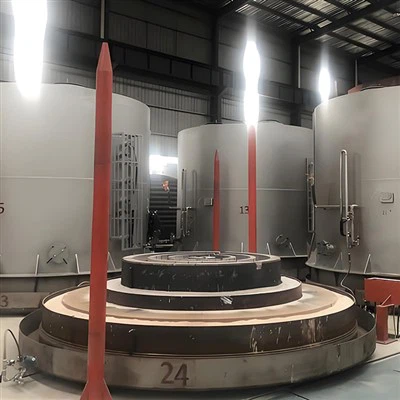
As a seasoned supplier of trolley furnaces, I understand the critical importance of thorough inspections for newly installed equipment. Trolley furnaces are widely used in various industries for heat treatment processes, and ensuring their proper functioning is essential for achieving high-quality results and maintaining operational efficiency. In this blog post, I will outline the key inspection items that should be carried out after a trolley furnace is newly installed.
1. Physical Inspection
Structural Integrity
The first step in the inspection process is to assess the structural integrity of the trolley furnace. This involves checking for any visible signs of damage, such as cracks, dents, or misalignments in the furnace body, trolley, and doors. Pay special attention to the welds and joints, as these areas are prone to stress and may develop weaknesses over time. A compromised structure can lead to heat loss, safety hazards, and reduced furnace performance.
Trolley Movement
The trolley is a crucial component of the furnace, as it transports the workload in and out of the heating chamber. Inspect the trolley's wheels, tracks, and guiding mechanisms to ensure smooth and stable movement. Check for any signs of wear or damage on the wheels, and make sure the tracks are clean and free of debris. The trolley should move freely without any excessive noise or resistance. Additionally, verify that the trolley's positioning system is accurate and that it can be locked securely in place during operation.
Door Sealing
Proper door sealing is essential for maintaining the temperature inside the furnace and preventing heat leakage. Inspect the door gaskets for any signs of damage or wear, and ensure that they are properly installed and compressed when the doors are closed. A good seal will not only improve energy efficiency but also prevent the ingress of air, which can affect the quality of the heat treatment process.
2. Electrical System Inspection
Wiring and Connections
Examine the electrical wiring and connections throughout the furnace to ensure they are properly installed and securely fastened. Look for any signs of frayed wires, loose connections, or exposed conductors, as these can pose a significant safety risk. Check the electrical panels and control cabinets for proper grounding and ensure that all circuit breakers and fuses are in good working condition.
Control System
The control system is responsible for regulating the temperature, heating rate, and other parameters of the furnace. Test the control system to ensure that it is functioning correctly and that the temperature readings are accurate. Check the setpoints and alarms to make sure they are properly configured and that the system can respond to changes in temperature and other variables. Additionally, verify that the control system is compatible with the furnace's heating elements and other components.
Heating Elements
Inspect the heating elements for any signs of damage or degradation. Heating elements are the primary source of heat in the furnace, and their performance can significantly impact the quality of the heat treatment process. Check the resistance of the heating elements to ensure that they are within the specified range, and look for any signs of overheating or arcing. If any heating elements are found to be damaged, they should be replaced immediately.
3. Gas System Inspection (if applicable)
Gas Supply
If the trolley furnace is powered by gas, inspect the gas supply system to ensure that it is safe and reliable. Check the gas lines for any leaks, and make sure that the valves and regulators are functioning properly. Verify that the gas pressure is within the recommended range, and that the gas flow rate can be accurately controlled.
Burner Assembly
Inspect the burner assembly to ensure that it is clean and free of debris. Check the burner nozzles for any blockages or damage, and make sure that the flame is stable and evenly distributed. The burner should be able to ignite quickly and efficiently, and the combustion process should be complete to minimize emissions.


Safety Devices
Gas furnaces are equipped with a variety of safety devices, such as flame sensors, gas valves, and pressure switches. Test these safety devices to ensure that they are functioning correctly and that they can detect and respond to potential hazards. Make sure that the safety devices are properly calibrated and that they are in compliance with relevant safety standards.
4. Thermal Insulation Inspection
Insulation Material
Inspect the thermal insulation material inside the furnace to ensure that it is in good condition. Thermal insulation plays a crucial role in reducing heat loss and improving energy efficiency. Look for any signs of damage or degradation, such as cracks, gaps, or loose insulation. If the insulation is damaged, it should be repaired or replaced to maintain the furnace's performance.
Insulation Thickness
Verify that the insulation thickness meets the design specifications. Adequate insulation thickness is essential for minimizing heat transfer and maintaining a stable temperature inside the furnace. Measure the insulation thickness at various points in the furnace, and compare the results with the recommended values.
5. Instrumentation and Monitoring
Temperature Sensors
Temperature sensors are used to measure the temperature inside the furnace and provide feedback to the control system. Inspect the temperature sensors to ensure that they are accurately calibrated and that they are providing reliable temperature readings. Check the sensor connections and wiring to make sure they are secure and free of damage.
Pressure Sensors
If the furnace operates under pressure, inspect the pressure sensors to ensure that they are functioning correctly. Pressure sensors are used to monitor the pressure inside the furnace and to prevent overpressure situations. Check the sensor readings and compare them with the recommended pressure range.
Monitoring Systems
Many modern trolley furnaces are equipped with advanced monitoring systems that can provide real-time data on various parameters, such as temperature, pressure, and energy consumption. Test the monitoring systems to ensure that they are working properly and that they can provide accurate and reliable information.
6. Operational Testing
Pre-Startup Checks
Before starting the furnace, perform a series of pre-startup checks to ensure that all systems are functioning correctly. Check the oil levels, water levels, and other fluid levels, and make sure that all valves and switches are in the correct position. Verify that the furnace is properly ventilated and that there are no obstructions in the exhaust system.
Initial Startup
Once the pre-startup checks are complete, start the furnace and monitor its operation closely. Observe the temperature rise, heating rate, and other parameters, and make sure that they are within the specified range. Check for any abnormal noises, vibrations, or odors, and address any issues immediately.
Load Testing
After the furnace has reached the desired operating temperature, perform a load testing to evaluate its performance under actual working conditions. Place a representative workload inside the furnace and monitor the temperature distribution, heating time, and other parameters. Make sure that the furnace can achieve the required heat treatment results and that it can maintain a stable temperature throughout the process.
Conclusion
Thorough inspections are essential for ensuring the proper functioning and safety of a newly installed trolley furnace. By following the inspection items outlined in this blog post, you can identify and address any potential issues before they become major problems. As a trolley furnace supplier, we are committed to providing our customers with high-quality equipment and comprehensive support services. If you are in the market for a trolley furnace or need assistance with the installation and inspection process, please [contact us for procurement discussions].
References
- ASME Boiler and Pressure Vessel Code
- NFPA 86 Standard for Ovens and Furnaces
- ISO 9001 Quality Management System Standard