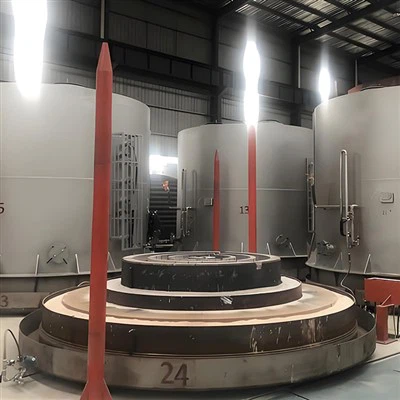
Hey there! As a supplier of resistance furnaces, I often get asked about the operation steps of these nifty machines. So, I thought I'd put together a blog post to break it all down for you. Whether you're a newbie or just looking for a refresher, this guide will walk you through everything you need to know.
Pre - operation Checks
Before you even think about firing up the resistance furnace, there are some crucial pre - operation checks you gotta do. First off, take a good look at the furnace's external structure. Make sure there are no obvious damages like cracks in the shell or loose parts. Any structural issues could lead to serious problems during operation, so it's better to catch them early.
Next, check the electrical connections. Loose or damaged wires can cause short - circuits or other electrical malfunctions. Ensure that all the power cables are properly plugged in and there are no signs of fraying. Also, verify that the grounding system is in place and working correctly. A proper ground is essential for safety, protecting both you and the equipment.
Don't forget about the heating elements. Inspect them for any signs of wear and tear, such as breakage or excessive oxidation. If you notice any issues with the heating elements, it's best to replace them before starting the furnace. After all, the heating elements are the heart of the resistance furnace, and if they're not working right, the whole process won't go smoothly.
Loading the Furnace
Once you've completed the pre - operation checks and everything looks good, it's time to load the furnace. But hold your horses! You need to be careful about what you put in there. Make sure the materials you're loading are suitable for the type of resistance furnace you're using. Different furnaces are designed for different materials and temperature ranges.
For example, if you're using a Large Pit Type Resistance Furnace, it's often used for large - scale heat treatment of long workpieces. You'll need to carefully lower the workpieces into the pit, making sure they're evenly distributed to ensure uniform heating.


On the other hand, a Box Type Resistance Furnace is great for smaller workpieces. You can place the items inside the box, leaving enough space between them for proper air circulation. This helps in achieving consistent heating throughout the load.
If you're using a High Temperature Trolley Resistance Furnace, you'll load the workpieces onto the trolley. Then, carefully roll the trolley into the furnace chamber. Make sure the trolley is properly aligned and secured to prevent any movement during the heating process.
Setting the Parameters
After loading the furnace, you need to set the right parameters. This includes temperature, time, and sometimes even the heating rate. The temperature setting depends on the material you're heating and the specific heat treatment process you're performing. For instance, if you're annealing a metal, you'll need to set a different temperature compared to when you're hardening it.
Most modern resistance furnaces come with digital controllers that make it easy to set these parameters. Just enter the desired values, and the furnace will do its best to maintain them. However, it's a good idea to double - check the settings to avoid any mistakes.
The heating rate is also an important factor. A too - fast heating rate can cause thermal stress in the materials, leading to cracking or other defects. On the other hand, a too - slow heating rate can waste time and energy. So, find the right balance based on the material and the furnace's capabilities.
Starting the Furnace
Once you've set all the parameters, it's time to hit the start button. But again, be cautious. Keep an eye on the furnace as it starts up. You should see the heating elements gradually start to glow, indicating that they're heating up. Listen for any unusual noises, such as rattling or buzzing, which could be a sign of a problem.
As the furnace heats up, monitor the temperature closely. The digital controller should show the actual temperature rising towards the set value. If there are any significant deviations, you may need to adjust the settings or check for any issues with the heating elements or sensors.
During Operation
During the operation of the resistance furnace, it's important to keep a close watch on it. Check the temperature regularly to make sure it stays within the desired range. If the temperature starts to fluctuate too much, it could affect the quality of the heat - treated materials.
Also, pay attention to the power consumption. A sudden increase in power consumption could indicate a problem with the heating elements or other components. If you notice any abnormal power usage, it's a good idea to stop the furnace and investigate the issue.
Don't forget about safety. Wear appropriate protective gear, such as heat - resistant gloves and goggles. Make sure there are no flammable materials near the furnace, and keep the area well - ventilated to prevent the buildup of any harmful gases.
Unloading the Furnace
Once the heat treatment process is complete and the furnace has cooled down to a safe temperature, it's time to unload the materials. Use proper handling equipment, such as tongs or a crane, depending on the size and weight of the workpieces.
Be careful when removing the materials from the furnace, as they may still be hot. Place them on a heat - resistant surface and allow them to cool further. Inspect the heat - treated materials for any signs of defects, such as cracks or uneven hardness.
Post - operation Maintenance
After you've unloaded the furnace, it's not time to just walk away. You need to perform some post - operation maintenance. First, clean the furnace chamber to remove any debris or residues left behind by the materials. This helps to prevent corrosion and ensures the longevity of the furnace.
Check the heating elements and other components again for any signs of wear or damage. Replace any parts that are showing signs of excessive wear. Lubricate any moving parts, such as doors or trolleys, to keep them operating smoothly.
Finally, record the operation data, including the temperature, time, and any issues that occurred during the process. This data can be useful for future reference and for improving the heat - treatment process.
Conclusion
Well, there you have it - the operation steps of a resistance furnace. As you can see, operating a resistance furnace requires careful attention to detail and a commitment to safety. Whether you're using a Large Pit Type Resistance Furnace, a Box Type Resistance Furnace, or a High Temperature Trolley Resistance Furnace, following these steps will help you get the best results.
If you're in the market for a resistance furnace or have any questions about our products, don't hesitate to reach out. We're here to help you find the perfect furnace for your needs and ensure that you can operate it safely and efficiently.
References
- General knowledge of resistance furnace operation and maintenance from industry experience.
- Technical manuals of resistance furnaces.