Hey there! As a supplier of pit furnaces, I often get asked about the pressure requirements for these bad boys. So, I thought I'd take a few minutes to break it down for you.
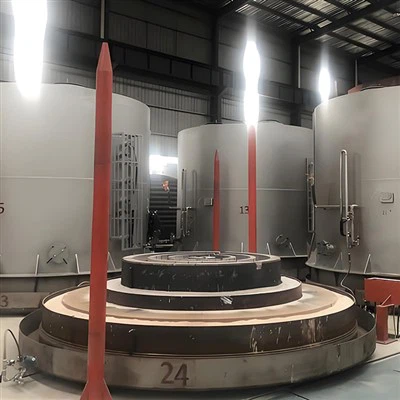
First off, let's talk about what a pit furnace is. A pit furnace is a type of industrial furnace that's typically used for heat treating metals. It's called a pit furnace because it's usually installed in a pit or recess in the floor, which helps to contain the heat and make the furnace more energy-efficient.
Now, when it comes to pressure requirements, there are a few different factors to consider. The most important one is the type of process you're using the furnace for. Different heat treating processes require different levels of pressure to achieve the desired results.
Pressure Requirements for Different Types of Pit Furnaces
High Temperature Pit Furnace
The High Temperature Pit Furnace is designed to operate at extremely high temperatures, often up to 2,000 degrees Celsius or more. These furnaces are commonly used for processes like hardening, annealing, and tempering of metals.


For high temperature pit furnaces, maintaining a stable pressure is crucial. The pressure inside the furnace needs to be carefully controlled to ensure uniform heating and prevent any unwanted oxidation or contamination of the metal. Typically, these furnaces operate at a slightly positive pressure to prevent outside air from entering the furnace chamber. This positive pressure is usually maintained by using a combination of fans and seals to keep the airtight environment.
Medium Temperature Pit Furnace
The Medium Temperature Pit Furnace operates at temperatures ranging from around 500 to 1,200 degrees Celsius. These furnaces are used for a variety of heat treating processes, such as normalizing, stress relieving, and solution annealing.
The pressure requirements for medium temperature pit furnaces are a bit less stringent compared to high temperature ones. However, it's still important to maintain a consistent pressure to ensure proper heat transfer and prevent any issues with the metal being treated. A slight positive pressure is also preferred in these furnaces to keep the atmosphere inside clean and free from contaminants.
All Fiber Pit Furnace
The All Fiber Pit Furnace is a newer type of pit furnace that uses fiber insulation materials instead of traditional refractory bricks. These furnaces are known for their energy efficiency and fast heating rates.
The pressure requirements for all fiber pit furnaces are similar to those of medium temperature pit furnaces. Since they operate at relatively lower temperatures compared to high temperature furnaces, the pressure doesn't need to be as tightly controlled. However, maintaining a stable pressure is still important to ensure the longevity of the furnace and the quality of the heat treating process.
Factors Affecting Pressure Requirements
Gas Atmosphere
The type of gas atmosphere used inside the furnace can have a significant impact on the pressure requirements. For example, if you're using a protective gas like nitrogen or argon to prevent oxidation of the metal, you'll need to maintain a specific pressure to ensure the gas is evenly distributed throughout the furnace chamber.
Load Size and Configuration
The size and configuration of the load being treated in the furnace can also affect the pressure requirements. A larger load may require a higher pressure to ensure uniform heating, while a complex load configuration may need a more precise pressure control to avoid any hot spots or cold spots.
Furnace Design and Sealing
The design and sealing of the furnace play a crucial role in maintaining the desired pressure. A well-designed furnace with proper seals will be able to maintain a stable pressure more easily than a poorly designed one. Leaks in the furnace can lead to pressure fluctuations and can also allow outside air to enter the chamber, which can affect the quality of the heat treating process.
Monitoring and Controlling Pressure
To ensure that the pressure inside the pit furnace is within the required range, it's important to have a reliable monitoring and control system in place. This system typically includes pressure sensors, valves, and controllers that can adjust the pressure as needed.
Regular maintenance and calibration of the pressure monitoring and control system are also essential to ensure its accuracy and reliability. Any issues with the system should be addressed immediately to prevent any negative impact on the heat treating process.
Why Choose Our Pit Furnaces?
As a leading supplier of pit furnaces, we understand the importance of meeting the pressure requirements for different applications. Our pit furnaces are designed and manufactured to the highest standards, with advanced pressure monitoring and control systems to ensure optimal performance.
We offer a wide range of pit furnaces, including high temperature, medium temperature, and all fiber pit furnaces, to meet the diverse needs of our customers. Our experienced team of engineers can also provide customized solutions based on your specific requirements.
If you're in the market for a pit furnace and have any questions about the pressure requirements or any other aspect of our products, don't hesitate to reach out to us. We're here to help you find the perfect furnace for your application and ensure that you get the best results.
So, if you're looking for a reliable and high-quality pit furnace, contact us today to start the procurement process. We're confident that our pit furnaces will meet your expectations and help you achieve your heat treating goals.
References
- ASM Handbook Volume 4: Heat Treating. ASM International.
- Industrial Furnaces: Principles, Design, and Operation. A. K. Gupta.