Hey there! As a supplier of tempering furnaces, I've been getting a lot of questions lately about the ventilation systems that are suitable for these furnaces. So, I thought I'd put together this blog post to share some insights on the topic.
First off, let's understand why ventilation is so important for a tempering furnace. Tempering furnaces operate at high temperatures, and during the process, they can produce various by - products such as fumes, gases, and dust. Without proper ventilation, these substances can accumulate in the working environment, posing risks to the health of workers and potentially causing damage to the furnace and other equipment. Additionally, good ventilation helps to maintain a stable temperature inside the furnace, which is crucial for achieving the desired tempering results.
Now, let's dive into the different types of ventilation systems that are suitable for tempering furnaces.
Natural Ventilation
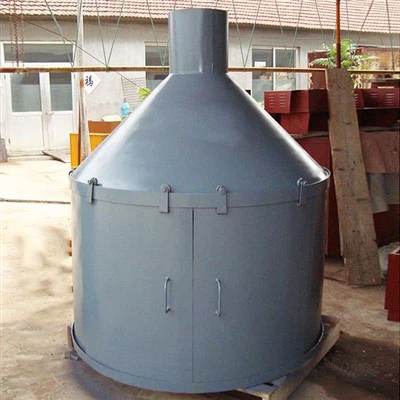
Natural ventilation is the simplest form of ventilation. It relies on the natural movement of air due to differences in temperature and pressure. In a tempering furnace setup, natural ventilation can be achieved by installing vents or chimneys at strategic locations. Hot air rises, and if there are openings at the top of the furnace or the surrounding area, the hot, contaminated air will flow out, while fresh air will be drawn in from lower openings.
The advantage of natural ventilation is that it's cost - effective. There are no mechanical components to install or maintain, which means lower upfront and long - term costs. However, it has its limitations. Natural ventilation is highly dependent on external factors such as wind speed and direction, and the temperature difference between the inside and outside of the furnace. In some cases, it may not be sufficient to remove all the fumes and gases, especially in large - scale tempering operations.
Mechanical Ventilation
Mechanical ventilation, on the other hand, uses fans or blowers to move air. There are several types of mechanical ventilation systems that can be used with tempering furnaces.
Exhaust Ventilation
Exhaust ventilation systems work by removing the contaminated air from the furnace area. A fan is installed near the source of the fumes, usually at the top of the furnace or in the ductwork connected to it. The fan sucks the hot, dirty air out and expels it outside the building. This type of system is effective in quickly removing pollutants from the immediate vicinity of the furnace.
One of the key benefits of exhaust ventilation is its ability to create a negative pressure inside the furnace area. This helps to prevent the spread of fumes and gases to other parts of the workplace. However, it's important to ensure that the exhaust system is properly sized and designed. If the fan is too small, it won't be able to remove all the contaminants, and if it's too large, it can cause unnecessary energy consumption.
Supply Ventilation
Supply ventilation systems bring fresh air into the furnace area. Fans are used to push clean air into the space, which helps to dilute the concentration of pollutants. Supply ventilation can be used in combination with exhaust ventilation for a more comprehensive solution.
When fresh air is introduced, it helps to maintain a comfortable working environment for the operators. It also provides oxygen, which can be beneficial for some tempering processes. However, supply ventilation alone may not be enough to remove all the fumes and gases, so it's often used in conjunction with exhaust systems.
Balanced Ventilation
Balanced ventilation systems are a combination of exhaust and supply ventilation. They are designed to maintain a proper balance between the amount of air being removed and the amount of fresh air being introduced. This ensures that there is a constant flow of clean air in the furnace area, while also effectively removing the contaminants.
Balanced ventilation systems are more complex to install and operate compared to exhaust or supply ventilation systems alone. They require careful planning and calibration to ensure that the air exchange rates are optimal. However, they offer the most efficient and effective way to ventilate a tempering furnace area.
Specialized Ventilation Systems for Different Types of Tempering Furnaces
Depending on the type of tempering furnace you have, there may be specialized ventilation requirements.
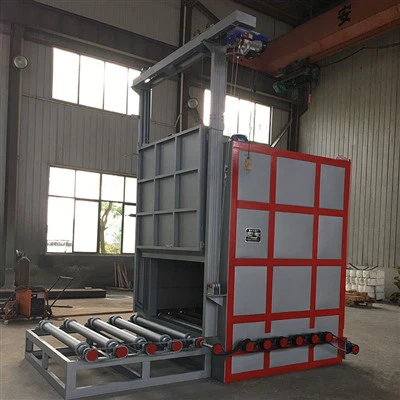
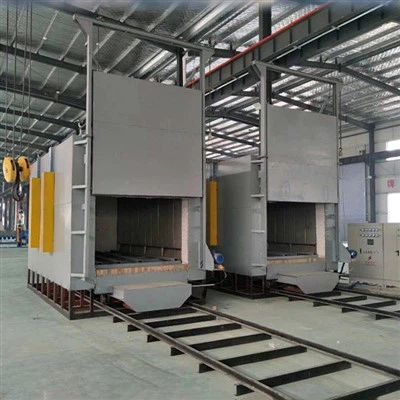
Trolley Tempering Furnace
Trolley tempering furnaces are often used for large - scale heat treatment operations. These furnaces typically have a large opening for loading and unloading the workpieces. Ventilation for trolley tempering furnaces needs to be designed to handle the large volume of air that is displaced when the trolley is moved in and out.
Exhaust ventilation systems with high - capacity fans are usually recommended for trolley tempering furnaces. The fans should be able to quickly remove the hot air and fumes that are released during the loading and unloading process. Additionally, supply ventilation can be used to ensure that fresh air is constantly available in the area.

Atmosphere Protection Box Type Tempering Furnace
Atmosphere protection box type tempering furnaces are designed to maintain a specific atmosphere inside the furnace, such as a nitrogen or argon environment. Ventilation for these furnaces needs to be carefully controlled to prevent the loss of the protective atmosphere.
In this case, a balanced ventilation system is often the best choice. The system should be designed to remove any contaminants that may enter the furnace while minimizing the loss of the protective gas. Specialized seals and filters may also be required to ensure the integrity of the atmosphere.
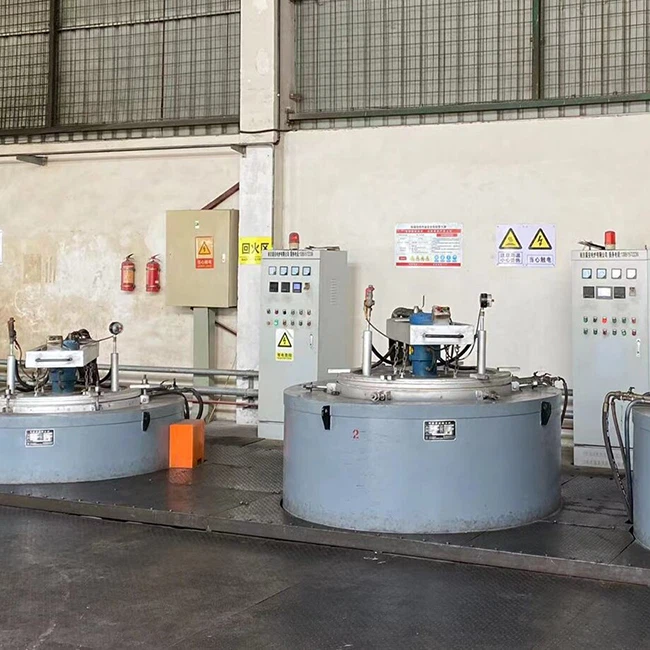
Nitrogen Protection Pit Tempering Furnace
Nitrogen protection pit tempering furnaces are used for heat treating workpieces that are placed in a pit - like structure. Ventilation for these furnaces needs to account for the unique geometry of the pit.
Exhaust ventilation systems are typically installed at the top of the pit to remove the hot, nitrogen - rich air. Supply ventilation can be used to introduce fresh air at the bottom of the pit to prevent the accumulation of stagnant air. The ventilation system should also be designed to handle the potential leakage of nitrogen gas, which can be a safety hazard.
Choosing the Right Ventilation System
When choosing a ventilation system for your tempering furnace, there are several factors to consider.
Furnace Size and Capacity
The size and capacity of your furnace will determine the amount of air that needs to be ventilated. Larger furnaces will require more powerful ventilation systems. You need to calculate the volume of air that is generated during the tempering process and choose a system that can handle that volume.
Type of Tempering Process
Different tempering processes produce different types and amounts of pollutants. For example, processes that involve the use of oil or other chemicals may produce more fumes and gases than dry tempering processes. You need to choose a ventilation system that is capable of removing the specific contaminants generated by your process.
Workplace Environment
The layout and environment of your workplace also play a role in choosing the right ventilation system. If your workplace is small and confined, you may need a more powerful ventilation system to prevent the build - up of pollutants. If there are other heat - generating equipment in the area, you need to ensure that the ventilation system can handle the combined heat load.
Conclusion
In conclusion, proper ventilation is essential for the safe and efficient operation of a tempering furnace. Whether you choose natural ventilation, mechanical ventilation, or a combination of both, it's important to select a system that is suitable for your specific furnace and workplace requirements.
As a tempering furnace supplier, I'm here to help you make the right choice. If you're in the market for a new tempering furnace or need to upgrade your existing ventilation system, feel free to reach out. We can work together to find the best solution for your needs.
References
- ASHRAE Handbook of Fundamentals. American Society of Heating, Refrigerating and Air - Conditioning Engineers.
- Industrial Ventilation: A Manual of Recommended Practice. American Conference of Governmental Industrial Hygienists.