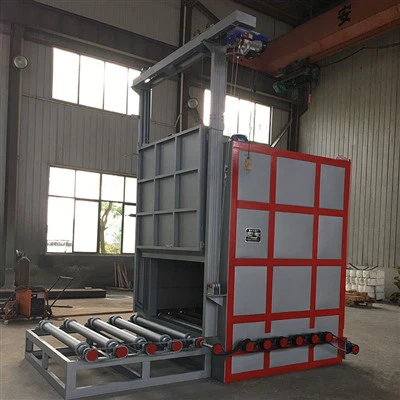
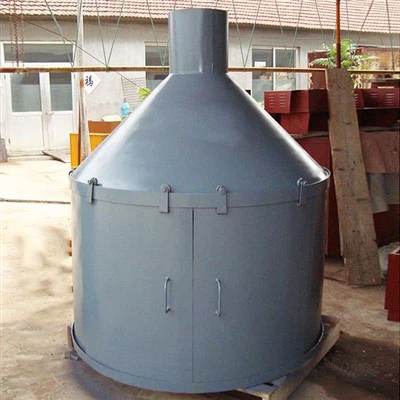
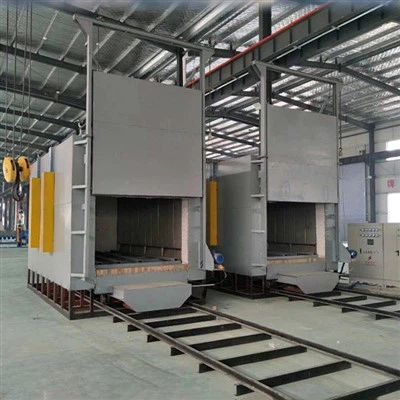
A pit furnace is a specialized industrial furnace that is installed partially or completely below the floor level. The furnace lining is a critical component of a pit furnace as it provides insulation, protects the furnace structure from high temperatures, and ensures efficient heat transfer. As a pit furnace supplier, I understand the importance of a well - installed furnace lining. In this blog, I will guide you through the process of installing the furnace lining in a pit furnace.
Pre - installation Preparations
1. Safety First
Safety should always be the top priority. Before starting the installation process, make sure to wear appropriate personal protective equipment (PPE), including heat - resistant gloves, safety goggles, hard hats, and fire - retardant clothing. Also, ensure that the work area is well - ventilated to prevent the inhalation of harmful fumes or dust generated during the installation.
2. Inspect the Pit Furnace
Thoroughly inspect the pit furnace to check for any structural damage, cracks, or misalignments. If there are any issues, they should be repaired before proceeding with the lining installation. This includes checking the integrity of the furnace shell, the foundation, and any support structures.
3. Gather Materials and Tools
You will need various materials and tools for the installation. The materials typically include refractory bricks, refractory cement, insulation materials, and any necessary fasteners. Tools will include trowels, hammers, saws (for cutting bricks if needed), levels, and measuring tapes.
Selecting the Right Lining Materials
1. Refractory Bricks
The choice of refractory bricks depends on the operating temperature of the pit furnace. For high - temperature applications, bricks with high alumina content are often preferred as they can withstand extreme heat. For lower - temperature operations, silica or fire - clay bricks may be sufficient. It is important to select bricks that match the specific requirements of your pit furnace. You can explore our Low Temperature Pit Furnace options, which may have different lining material requirements compared to high - temperature models.
2. Insulation Materials
Insulation materials are crucial for reducing heat loss from the furnace. Common insulation materials include ceramic fiber blankets, rockwool, and perlite. These materials help to keep the heat inside the furnace, improving energy efficiency and reducing operating costs.
3. Refractory Cement
Refractory cement is used to bond the refractory bricks together. It should have good heat - resistance properties and be able to withstand the mechanical stress caused by thermal expansion and contraction.
Installation Process
1. Base Laying
Start by laying the base layer of the furnace lining. This usually involves spreading a layer of refractory cement evenly on the bottom of the pit furnace. The thickness of the cement layer should be consistent, which can be ensured using a level. Then, carefully place the refractory bricks on the cement layer, starting from the center and working outwards. Make sure the bricks are tightly packed together to prevent any gaps that could allow heat to escape.
2. Wall Installation
Once the base is in place, begin installing the walls of the furnace lining. Cut the refractory bricks to the appropriate size using a saw if necessary. Apply a thin layer of refractory cement to the side of each brick before placing it next to the previously installed brick. Use a level to ensure that the walls are vertical and straight. As you build up the walls, periodically check for alignment and make adjustments as needed.
3. Arch Construction (if applicable)
Some pit furnaces may have an arched roof. Constructing the arch requires special skills and techniques. First, create a temporary support structure called a centering. Then, lay the refractory bricks in a circular pattern on the centering, starting from the springing line at the base of the arch. The bricks should be cut and fit precisely to form a smooth, curved shape. Once the arch is complete and the cement has set, the centering can be removed.


4. Insulation Installation
After the refractory brick lining is installed, it's time to add the insulation materials. Place the insulation blankets or other insulation materials on the outside of the refractory lining. The insulation should be tightly packed to minimize heat transfer through the furnace walls. You can use fasteners or adhesive to secure the insulation in place.
5. Sealing and Finishing
Seal any joints or gaps in the furnace lining using refractory cement. This helps to prevent the leakage of hot gases and ensures the integrity of the lining. Once all the installation work is done, let the refractory cement cure according to the manufacturer's instructions. This usually involves allowing the lining to dry slowly in a controlled environment to prevent cracking.
Quality Assurance
1. Visual Inspection
After the installation is complete, conduct a visual inspection of the furnace lining. Check for any visible cracks, gaps, or unevenness in the bricks or insulation. Any issues should be addressed immediately.
2. Thermal Testing
Before putting the pit furnace into full operation, it is advisable to conduct a thermal test. Gradually increase the temperature of the furnace and monitor the performance of the lining. Look for any signs of heat leakage or excessive temperature fluctuations. If any problems are detected during the test, make the necessary repairs or adjustments.
Maintenance and Troubleshooting
1. Regular Maintenance
Regular maintenance is essential to ensure the long - term performance of the furnace lining. This includes inspecting the lining for signs of wear and tear, checking for any loose bricks or damaged insulation, and cleaning the furnace regularly to remove any debris or contaminants.
2. Troubleshooting
If you notice any problems with the furnace lining, such as cracks, spalling, or excessive heat loss, it is important to take prompt action. Minor cracks can often be repaired using refractory patching materials, while more severe damage may require partial or complete replacement of the lining.
Why Choose Our Pit Furnaces
As a trusted pit furnace supplier, we offer a wide range of pit furnace options, including Low Temperature Pit Furnace, Pit Type Heat Treatment Furnace, and High Precision Pit Furnace. Our furnaces are designed with high - quality materials and advanced manufacturing techniques to ensure reliable performance and long service life. We also provide professional installation services and after - sales support to help you get the most out of your pit furnace.
If you are in the market for a new pit furnace or need to replace your existing furnace lining, we invite you to contact us for procurement discussions. Our team of experts will be happy to assist you in selecting the right furnace for your specific needs and guide you through the installation process.
References
- "Industrial Furnace Technology" by John Smith.
- "Refractory Materials and Their Applications" by Mary Johnson.