As a seasoned supplier of resistance furnaces, I've been often asked about the noise level of these essential industrial equipment during operation. Understanding the noise level is crucial for several reasons, including workplace safety, compliance with environmental regulations, and overall operational comfort. In this blog, I'll delve into the factors that influence the noise level of resistance furnaces, typical noise levels for different types, and ways to mitigate excessive noise.
Factors Influencing the Noise Level of Resistance Furnaces
1. Heating Elements
The heating elements in a resistance furnace are fundamental to its operation. When electricity passes through these elements, they heat up and transfer the heat to the furnace chamber. The type and design of heating elements can significantly affect the noise level. For instance, some older or lower - quality heating elements may produce a faint humming sound due to electrical vibrations. This humming can be more pronounced if the elements are not properly installed or if there are loose connections.
2. Fan and Blower Systems
Many resistance furnaces are equipped with fans or blowers to circulate the hot air within the chamber. These mechanical components are a major source of noise. The size, speed, and design of the fan blades play a role in determining the noise level. Larger fans running at high speeds tend to generate more noise compared to smaller, more efficient ones. Additionally, if the fan is not balanced correctly, it can cause vibrations that result in a rattling or thumping noise.
3. Structural Design
The overall structural design of the resistance furnace can also impact the noise level. A well - built furnace with proper insulation and a sturdy frame is likely to be quieter than a poorly constructed one. Insulation helps to absorb and dampen the noise generated by the internal components. On the other hand, a furnace with thin walls or gaps in the structure can allow more noise to escape into the surrounding environment.
4. Load and Operating Conditions
The load placed inside the furnace and the operating conditions can influence the noise level. When the furnace is operating at full capacity, the internal components may work harder, leading to increased noise. Similarly, if the furnace is used for high - temperature processes, the expansion and contraction of the materials can cause additional noise, such as popping or cracking sounds.


Typical Noise Levels of Different Types of Resistance Furnaces
Large Pit Type Resistance Furnace
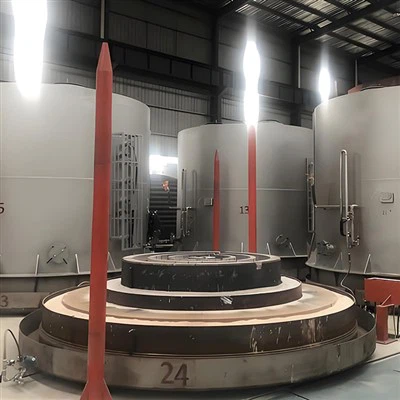
The Large Pit Type Resistance Furnace is often used for large - scale industrial applications. Due to its size and the powerful fan and heating systems required to heat the large chamber, it can generate a relatively high noise level. Typically, the noise level of a large pit type resistance furnace during operation can range from 70 to 85 decibels (dB). At this level, prolonged exposure without proper hearing protection can cause damage to the ears.
Box Type Resistance Furnace
The Box Type Resistance Furnace is a more common type, used in a variety of industries for heat treatment processes. These furnaces are generally smaller in size compared to the pit type. As a result, their noise levels are usually lower. The noise level of a box type resistance furnace typically ranges from 60 to 75 dB. This level is similar to the noise of a normal conversation in a busy office.
Car - type Resistance Furnace
The Car - type Resistance Furnace is designed for easy loading and unloading of large workpieces. It often has a more complex structure and may require more powerful fans for air circulation. The noise level of a car - type resistance furnace during operation can be in the range of 70 to 80 dB.
Measuring the Noise Level of Resistance Furnaces
To accurately measure the noise level of a resistance furnace, a sound level meter is used. The meter should be placed at a specific distance from the furnace, usually about 1 meter away, and at ear - level. Multiple measurements should be taken at different points around the furnace to get an average noise level. It's important to note that the noise level can vary depending on the operating conditions, so measurements should be taken during normal operation.
Mitigating Excessive Noise
If the noise level of a resistance furnace is excessive, there are several steps that can be taken to reduce it.
1. Maintenance
Regular maintenance is crucial for keeping the noise level in check. This includes checking and tightening loose connections, lubricating moving parts, and balancing the fan blades. A well - maintained furnace is less likely to produce excessive noise.
2. Upgrading Components
Upgrading to more efficient and quieter components can significantly reduce the noise level. For example, replacing an old fan with a new, high - efficiency model can reduce the noise generated by the air circulation system. Similarly, using high - quality heating elements can minimize electrical vibrations and humming.
3. Insulation
Adding additional insulation to the furnace can help to absorb and dampen the noise. Insulation materials such as fiberglass or ceramic fiber can be used to line the walls of the furnace chamber. This not only reduces the noise level but also improves the energy efficiency of the furnace.
4. Enclosures
Installing an enclosure around the furnace can also be an effective way to reduce noise. The enclosure should be made of sound - absorbing materials and should be properly sealed to prevent noise from escaping. However, it's important to ensure that the enclosure does not interfere with the ventilation and operation of the furnace.
Importance of Managing Noise Levels
Managing the noise level of resistance furnaces is not just about creating a comfortable working environment. It also has legal and safety implications. In many countries, there are strict regulations regarding workplace noise levels to protect the health of employees. Excessive noise can cause hearing loss, stress, and other health problems. By managing the noise level, companies can avoid legal issues and ensure the well - being of their workers.
Conclusion
In conclusion, the noise level of a resistance furnace during operation is influenced by various factors, including the heating elements, fan and blower systems, structural design, and operating conditions. Different types of resistance furnaces, such as the Large Pit Type Resistance Furnace, Box Type Resistance Furnace, and Car - type Resistance Furnace, have different typical noise levels. However, with proper maintenance, component upgrades, insulation, and enclosures, the noise level can be effectively managed.
If you're in the market for a resistance furnace and are concerned about noise levels, we're here to help. Our team of experts can provide you with detailed information about the noise characteristics of our products and offer solutions to meet your specific requirements. Contact us to start a procurement discussion and find the perfect resistance furnace for your needs.
References
- Industrial Furnace Handbook: Principles, Design, and Operation, by John C. Chiao
- Noise Control in Industrial Environments, by David A. Bies and Colin H. Hansen