Hey there! As a supplier of Pit Quenching Furnaces, I often get asked about the choice between oil quenching and water quenching. It's a crucial decision that can significantly impact the quality and performance of the heat-treated parts. So, let's dive into when you should choose oil quenching and when water quenching is the better option.
Understanding Quenching
First off, let's quickly go over what quenching is. Quenching is a heat treatment process where a metal is heated to a specific temperature and then rapidly cooled to harden it. The cooling medium plays a vital role in this process. Oil and water are two commonly used quenching media, each with its own set of characteristics.
When to Choose Oil Quenching
1. High - Carbon and Alloy Steels
Oil quenching is often the go - to choice for high - carbon and alloy steels. These steels have a high carbon content or contain alloying elements like chromium, nickel, and molybdenum. When these steels are quenched in oil, the cooling rate is relatively slower compared to water. This slower cooling rate helps to reduce the risk of cracking and distortion. For example, in the production of high - strength gears or shafts made from alloy steels, oil quenching can ensure that the parts maintain their shape and have the desired hardness.
2. Complex - Shaped Parts
If you're dealing with complex - shaped parts, oil quenching is a great option. Complex shapes are more prone to cracking and distortion during the quenching process. The slower cooling rate of oil allows the heat to dissipate more evenly throughout the part, minimizing the internal stresses that can lead to cracking. Take, for instance, a turbine blade with intricate geometries. Oil quenching can help preserve its shape and integrity.
3. High - Quality Requirements
When high - quality and precise mechanical properties are required, oil quenching is often preferred. The slower cooling in oil can result in a more uniform hardness distribution across the part. This is important in applications where consistent performance is crucial, such as in aerospace components or high - end automotive parts.
When to Choose Water Quenching
1. Low - Carbon Steels
Water quenching is typically used for low - carbon steels. These steels have a relatively low carbon content, and they require a faster cooling rate to achieve the desired hardness. Water has a much higher cooling capacity than oil, which allows for a rapid transformation of the steel's microstructure. For example, in the production of simple structural components made from low - carbon steel, water quenching can quickly harden the parts.


2. Large - Sized Parts
For large - sized parts, water quenching can be a practical choice. The high cooling rate of water can ensure that the entire part is cooled uniformly and quickly. This is especially important for parts like large forgings or castings. However, it's important to note that proper control is needed to prevent cracking, as the rapid cooling can generate significant internal stresses.
3. Cost - Effective Solutions
Water is a much cheaper quenching medium compared to oil. If cost is a major factor in your production process and the part can tolerate the faster cooling rate, water quenching is a viable option. It can help reduce the overall production cost without sacrificing too much in terms of quality for certain applications.
Our Pit Quenching Furnaces and Quenching Options
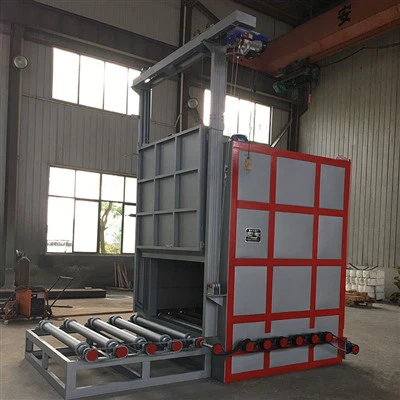
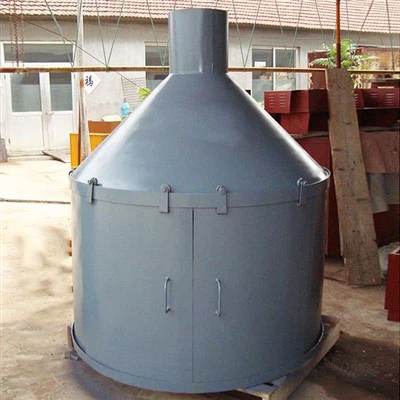
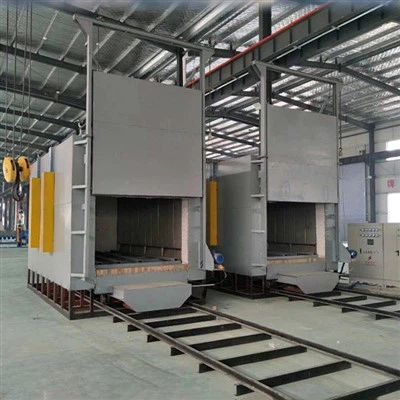
At our company, we offer top - notch Pit Quenching Furnaces that are designed to work effectively with both oil and water quenching. Our furnaces are equipped with advanced temperature control systems and efficient cooling mechanisms to ensure optimal quenching results.
Whether you choose oil or water quenching, our Pit Quenching Furnaces can provide a stable and reliable heat treatment environment. We also offer customized solutions to meet your specific requirements. If you're interested in other types of quenching furnaces, you can check out our Mesh Belt Quenching Furnace, Aluminum Alloy Quenching Furnace, and Box Type Quenching Furnace.
Making the Right Choice
The decision between oil quenching and water quenching depends on several factors, including the type of steel, the shape and size of the part, and the desired mechanical properties. It's also important to consider the cost and the overall production requirements.
If you're still unsure which quenching method is best for your application, our team of experts is here to help. We can provide you with detailed technical advice and guidance based on your specific needs.
Conclusion
In conclusion, choosing between oil quenching and water quenching in a Pit Quenching Furnace is a critical decision that can impact the quality and performance of your heat - treated parts. By understanding the characteristics of each quenching medium and considering the specific requirements of your application, you can make an informed choice.
If you're in the market for a Pit Quenching Furnace or need more information about quenching processes, don't hesitate to get in touch with us. We're here to assist you in achieving the best results for your heat treatment needs.
References
- ASM Handbook Volume 4: Heat Treating. ASM International.
- Metals Handbook Desk Edition, 3rd Edition. ASM International.