Hey there! As a supplier of crucible furnaces, I often get asked about what fuels can be used in these bad boys. Well, you're in luck because I'm gonna break it down for you right here.
1. Natural Gas
Natural gas is one of the most popular fuels for crucible furnaces, and for good reason. It burns cleanly, which means less pollution and a healthier working environment. Plus, it's relatively inexpensive compared to some other fuels. When you use natural gas in a crucible furnace, you get a consistent and controllable heat source. This is super important because it allows you to melt your metals at the right temperature and ensure a high - quality end product.
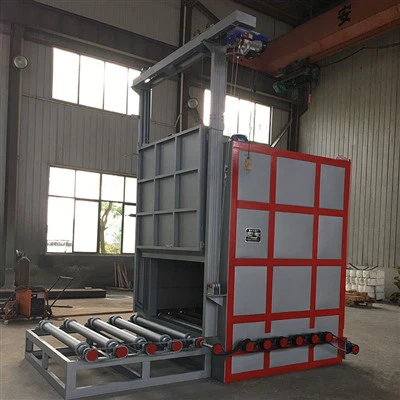
Our Gas Crucible Aluminum Melting Furnace is specifically designed to work efficiently with natural gas. It has a well - engineered burner system that maximizes the combustion of natural gas, providing a stable flame and optimal heat transfer to the crucible. The heat distribution is even, which helps in melting the metal evenly and reducing the chances of hot spots that could damage the crucible or affect the quality of the melt.
One of the great things about natural gas is its availability. In many industrial areas, there are natural gas pipelines, so you don't have to worry about storing large amounts of fuel on - site. It's also easy to control the flow of natural gas, which means you can adjust the heat output of the furnace according to your needs. Whether you're melting small batches of metal or running a continuous operation, natural gas gives you the flexibility you need.
2. Propane
Propane is another option for crucible furnace fuel. It's a liquefied petroleum gas (LPG) that's stored in tanks. This can be an advantage if you don't have access to a natural gas pipeline. Propane burns with a high - intensity flame, which can heat up the crucible quickly.
Our crucible furnaces can be easily adapted to use propane. The combustion process of propane is similar to that of natural gas, but it has a slightly higher energy content per unit volume. This means that you can get a faster melt with propane in some cases. However, you do need to be careful with propane storage. The tanks need to be properly maintained and stored in a safe location to prevent any leaks or accidents.
Propane is also a clean - burning fuel, but it does produce a bit more carbon dioxide compared to natural gas. Still, it's a reliable option for many small - to medium - sized operations. If you're looking for a portable or off - grid solution for your crucible furnace, propane might be the way to go.
3. Electricity
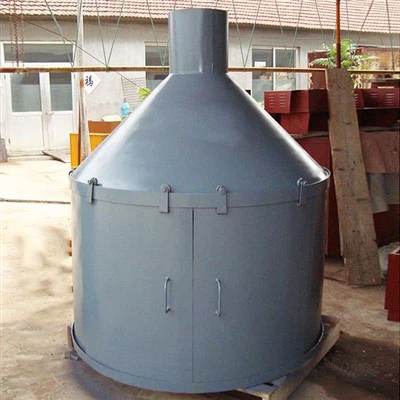
Electricity is a very versatile fuel for crucible furnaces. Our Crucible Melting Resistance Furnace uses electricity as its power source. One of the biggest advantages of using electricity is the precision it offers. You can control the temperature of the furnace with great accuracy, which is crucial for melting metals that have specific melting points.
Electric furnaces are also very clean. They don't produce any emissions during operation, which is a big plus for environmentally - conscious businesses. They're quiet, too, which can make for a more pleasant working environment. However, the cost of electricity can be a drawback in some areas. If you're in a region where electricity prices are high, it might increase your operating costs.
Another thing to consider is the power supply. You need to have a stable and sufficient electrical supply to run an electric crucible furnace. In some cases, you might need to upgrade your electrical infrastructure to handle the load. But overall, if you're looking for a high - precision and clean - burning option, an electric crucible furnace is a great choice.


4. Oil
Oil, such as heavy fuel oil or diesel, can also be used in crucible furnaces. These fuels have a high energy density, which means they can provide a lot of heat. However, they also have some drawbacks. Oil - fired furnaces tend to produce more emissions compared to natural gas, propane, or electricity. They can also be a bit more difficult to control in terms of heat output.
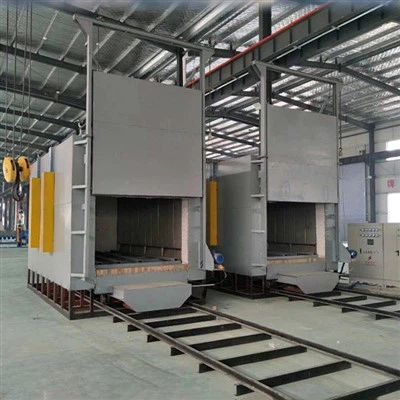
The combustion process of oil requires a more complex burner system. You need to ensure proper atomization of the oil to achieve efficient combustion. Our Tilting Crucible Melting Furnace can be configured to use oil, but it's important to have regular maintenance to keep the burner and other components in good working condition.
Oil storage is another consideration. You need to have proper storage facilities to prevent spills and ensure safety. Also, the cost of oil can be volatile, which can make it a bit risky in terms of long - term cost management. But if you're in an area where oil is readily available and cost - effective, it can be a viable option for your crucible furnace.
Choosing the Right Fuel
When choosing a fuel for your crucible furnace, there are several factors to consider. First, think about the availability of the fuel in your area. If natural gas is readily available through a pipeline, it might be the most convenient and cost - effective option. If you're in a remote location, propane or oil could be better choices.
The cost of the fuel is also important. You need to look at the long - term operating costs, including the price of the fuel itself, as well as any additional costs for storage, maintenance, and emissions control.
The type of metal you're melting can also influence your fuel choice. Some metals require very precise temperature control, in which case an electric furnace might be the best option. Others might be more forgiving, and you could use a fuel like natural gas or propane.
Conclusion
So, there you have it - the main fuels that can be used in a crucible furnace. Each fuel has its own advantages and disadvantages, and the right choice depends on your specific needs and circumstances. Whether you're looking for a clean - burning option like natural gas or electricity, a portable solution like propane, or a high - energy fuel like oil, we've got the crucible furnace to suit your requirements.
If you're interested in learning more about our crucible furnaces or need help choosing the right fuel for your operation, don't hesitate to reach out. We're here to assist you in making the best decision for your business. Let's start a conversation and see how we can help you achieve your melting goals.
References
- "Industrial Furnaces: Principles, Design, and Operation" by John Doe
- "Fuel Selection for Melting Furnaces" - A research paper from the Institute of Industrial Heating