Can an annealing furnace be used for continuous annealing? That's a question I get asked a lot as a supplier of annealing furnaces. In this blog post, I'm gonna break it down for you, sharing what I've learned from my years in the business.
First off, let's understand what annealing is. Annealing is a heat treatment process that involves heating a material, usually metal, to a specific temperature and then cooling it at a controlled rate. This process helps to relieve internal stresses, increase ductility, and improve the material's overall mechanical properties. There are different types of annealing, like full annealing, process annealing, and stress relief annealing.
Now, continuous annealing is a specific type of annealing where the material is continuously fed through the furnace. It's a high - speed, efficient process that's great for large - scale production. The big question is, can our regular annealing furnaces be used for this continuous annealing process?
The short answer is, it depends. There are different kinds of annealing furnaces out there, and not all of them are suitable for continuous annealing.
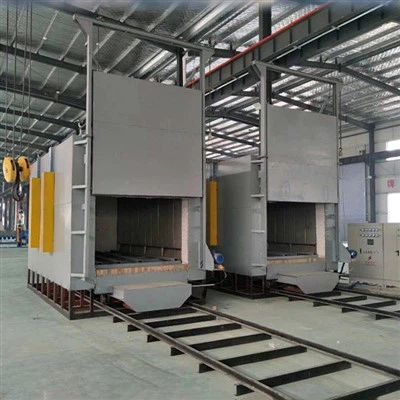
Let's start with the Aluminum Annealing Furnace. Aluminum is a widely used metal, and its annealing process is crucial for getting the right properties. Some aluminum annealing furnaces can be adapted for continuous annealing. These furnaces are designed to handle the specific temperature requirements of aluminum. Aluminum has a relatively low melting point compared to some other metals, so the furnace needs to maintain a precise temperature range during the continuous annealing process.
For continuous annealing of aluminum, the furnace should have a well - designed heating system that can quickly and evenly heat the aluminum as it moves through. It also needs a good cooling system to control the cooling rate. If the furnace can meet these requirements, it can definitely be used for continuous annealing of aluminum products like sheets, foils, and extrusions.
Then there's the Rapid Annealing Furnace. As the name suggests, these furnaces are built to heat the material up very quickly. They're often used when you need to anneal a material in a short amount of time. For continuous annealing, a rapid annealing furnace can be a great option, especially if you're dealing with materials that can tolerate fast heating and cooling cycles.
However, there are some challenges. The rapid heating and cooling can cause thermal shock to the material if not properly controlled. When using a rapid annealing furnace for continuous annealing, you need to make sure that the conveyor system that moves the material through the furnace is well - synchronized with the heating and cooling cycles. Otherwise, you might end up with unevenly annealed products.
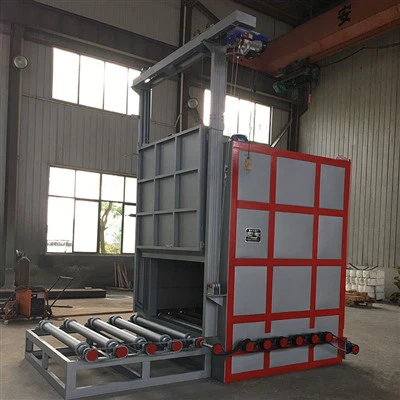
The Roller Annealing Furnace is another type that has potential for continuous annealing. Roller furnaces use rollers to move the material through the furnace. This type of furnace is great for continuous annealing of flat products like steel sheets. The rollers ensure a smooth and continuous movement of the material, which is essential for the continuous annealing process.
But again, there are factors to consider. The rollers need to be made of a material that can withstand the high temperatures inside the furnace. They also need to be precisely aligned to prevent the material from getting misaligned or damaged during the annealing process.
One of the key things to think about when using an annealing furnace for continuous annealing is the temperature control. In continuous annealing, the material is constantly moving, so the furnace needs to be able to maintain a consistent temperature along the entire length of the annealing path. Any fluctuations in temperature can lead to inconsistent annealing results, which can affect the quality of the final product.
Another important aspect is the atmosphere inside the furnace. Some materials, like steel, can react with oxygen at high temperatures, leading to oxidation. To prevent this, the furnace may need to be filled with an inert gas, like nitrogen or argon. When using a furnace for continuous annealing, you need to ensure that the gas supply system can maintain the right atmosphere as the material moves through.
The conveyor system is also crucial. It needs to be able to handle the weight and size of the material being annealed. It should move the material at a consistent speed to ensure uniform annealing. If the conveyor moves too fast, the material may not reach the required annealing temperature. If it moves too slow, it can lead to over - annealing.
In my experience, with the right modifications and careful planning, many annealing furnaces can be used for continuous annealing. But it's not something you can just do without thinking. You need to analyze the specific requirements of your annealing process, including the type of material, the desired annealing properties, and the production volume.
If you're considering using an annealing furnace for continuous annealing, I'd recommend working closely with a furnace supplier. We have the expertise to help you determine if your existing furnace can be adapted or recommend a new furnace that's suitable for continuous annealing.
We can also provide support in terms of installation, maintenance, and troubleshooting. For example, we can help you optimize the temperature control system, ensure the proper functioning of the conveyor, and set up the right atmosphere inside the furnace.
If you're in the market for an annealing furnace for continuous annealing or want to see if your current furnace can be modified, don't hesitate to reach out. We're here to help you make the best decision for your business and ensure that you get high - quality annealing results.


References
- "Heat Treatment Principles and Techniques" by George E. Totten and M. A. Howes
- "Metal Heat Treatment: Principles and Practice" by Robert W. Hertzberg and Richard D. Hertzberg