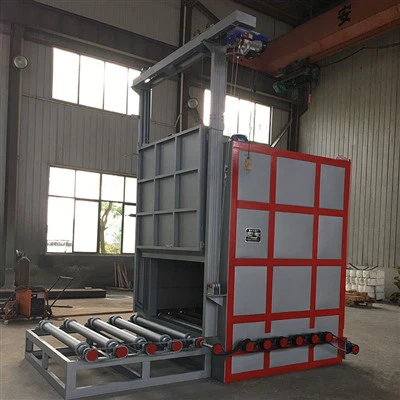
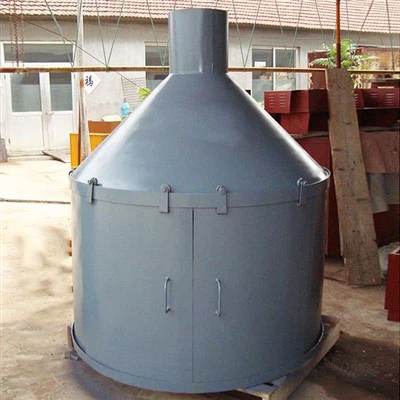
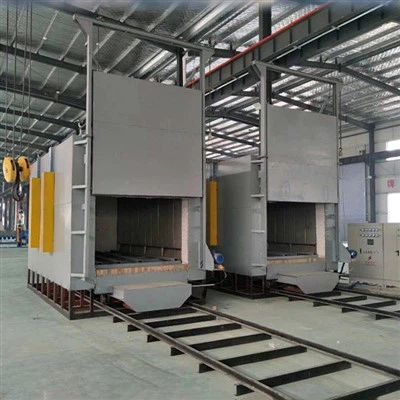
Hey there! I'm a supplier of aging furnaces, and today I wanna chat about how an aging furnace deals with thermal stress during the aging process. It's a super important topic, especially if you're in the market for an Aluminum Aging Furnace, Trolley Type Aluminum Alloy Aging Furnace, or Aluminum Wire Aging Furnace.
First off, let's talk about what thermal stress is. When an aging furnace is in operation, it goes through significant temperature changes. During the heating phase, the furnace components expand, and during the cooling phase, they contract. This expansion and contraction can create internal forces within the materials of the furnace, which we call thermal stress. If not properly managed, this stress can lead to all sorts of problems, like cracks, deformation, and even premature failure of the furnace.
One of the key ways an aging furnace deals with thermal stress is through its design. We, as aging furnace suppliers, pay close attention to the materials we use and the way we construct the furnace. For example, we use high - quality refractory materials that can withstand large temperature variations without significant expansion or contraction. These materials are carefully selected based on their thermal properties, such as thermal conductivity and coefficient of thermal expansion.
The coefficient of thermal expansion is a measure of how much a material expands or contracts with a change in temperature. By choosing materials with a low coefficient of thermal expansion, we can minimize the amount of stress that builds up in the furnace during heating and cooling cycles. For instance, some advanced ceramic materials have relatively low coefficients of thermal expansion, making them ideal for use in the lining of aging furnaces.
Another important aspect of design is the way the furnace is built. We use a modular design approach in many of our furnaces. This means that the furnace is constructed in sections or modules that can expand and contract independently. This helps to relieve the thermal stress because each module can move without affecting the others too much. It's like having a flexible structure that can adapt to the changes in temperature without getting damaged.


In addition to the design, we also implement advanced control systems in our aging furnaces. These control systems are responsible for regulating the heating and cooling rates. By carefully controlling how quickly the furnace heats up and cools down, we can reduce the thermal stress on the components. For example, a slow heating rate allows the materials in the furnace to expand gradually, which is less likely to cause stress concentrations. Similarly, a controlled cooling rate helps the materials to contract evenly, preventing the formation of cracks.
Our control systems use sensors to monitor the temperature inside the furnace and adjust the heating and cooling elements accordingly. They can also be programmed to follow specific temperature profiles based on the requirements of the aging process. This ensures that the furnace operates within a safe temperature range and minimizes the impact of thermal stress.
Maintenance is also crucial in dealing with thermal stress. Regular inspections of the furnace can help us detect any signs of stress, such as cracks or deformation, early on. We can then take appropriate measures to repair or replace the affected components before the problem gets worse. For example, if we notice a small crack in the refractory lining, we can patch it up or replace the damaged section to prevent it from spreading.
We also recommend that our customers follow a proper maintenance schedule. This includes cleaning the furnace regularly to remove any debris or contaminants that could affect the performance of the materials. It's also important to check the seals and gaskets to make sure they are in good condition. A leaky seal can allow hot air to escape, which can cause uneven heating and cooling, leading to increased thermal stress.
Now, let's talk about how these concepts apply to different types of aging furnaces. The Aluminum Aging Furnace is specifically designed for the aging of aluminum materials. Aluminum has its own set of thermal properties, and the furnace needs to be optimized to handle them. The heating and cooling rates need to be carefully controlled to ensure that the aluminum reaches the desired aging state without being damaged by thermal stress.
The Trolley Type Aluminum Alloy Aging Furnace is a bit different. It has a trolley system that allows for easy loading and unloading of the workpieces. This design feature also affects how the furnace deals with thermal stress. The trolley needs to be able to withstand the temperature changes and move smoothly without getting stuck due to thermal expansion or contraction. Our engineers take these factors into account when designing and building this type of furnace.
The Aluminum Wire Aging Furnace is designed for aging aluminum wires. The wires are very thin and can be more sensitive to thermal stress. The furnace needs to provide a uniform temperature distribution to ensure that all the wires age evenly. Our advanced control systems are particularly important in this type of furnace to maintain the right temperature and reduce thermal stress on the wires.
If you're in the market for an aging furnace, you need to consider all these factors. You want a furnace that can handle thermal stress effectively to ensure a long - lasting and reliable operation. Our company has years of experience in designing and manufacturing aging furnaces, and we've got the expertise to provide you with the best solution for your needs.
Whether you're looking for an Aluminum Aging Furnace, Trolley Type Aluminum Alloy Aging Furnace, or Aluminum Wire Aging Furnace, we're here to help. We can work with you to understand your specific requirements and recommend the right furnace for your application.
If you're interested in learning more or discussing your procurement needs, don't hesitate to reach out. We're always happy to have a chat and answer any questions you might have. Let's work together to find the perfect aging furnace for your business.
References
- "Thermal Stress Analysis in Industrial Furnaces" - Journal of Thermal Engineering
- "Materials Selection for High - Temperature Applications in Furnaces" - Materials Science Review
- "Advanced Control Systems for Furnace Temperature Regulation" - Automation and Control Technology Journal