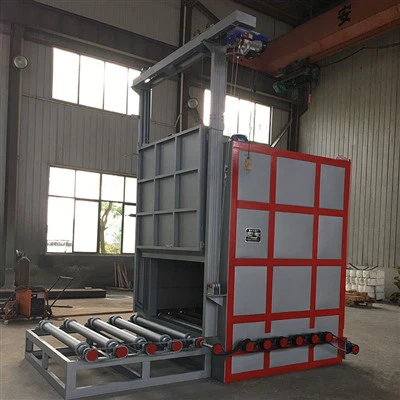
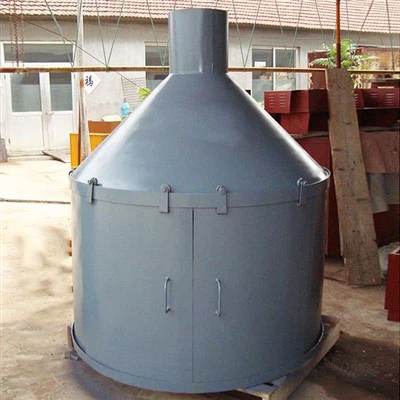
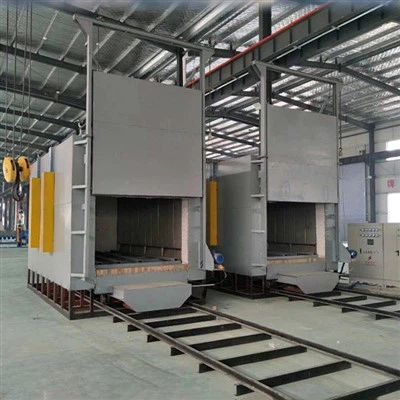
Operating a continuous pit furnace requires a comprehensive understanding of its components, functions, and safety protocols. As a well - established pit furnace supplier, I am here to guide you through the process of operating a continuous pit furnace effectively and safely.
1. Pre - operation Preparations
Before starting the continuous pit furnace, several crucial pre - operation steps need to be taken.
1.1 Inspection of the Furnace
First, visually inspect the furnace body for any signs of damage, such as cracks in the lining, loose connections in the electrical wiring, or leaks in the gas supply system if it is a gas - fired furnace. Check the integrity of the insulation material to ensure efficient heat retention. For example, a damaged insulation can lead to significant heat loss, increasing energy consumption and potentially affecting the quality of the heat - treatment process.
1.2 Checking Auxiliary Systems
Inspect the cooling system, which is vital for maintaining the proper temperature of the furnace components. Ensure that the coolant level is sufficient and that the pumps are working properly. The ventilation system also needs to be checked to guarantee the removal of harmful gases and fumes generated during the operation. Problems in these auxiliary systems can lead to overheating, equipment failure, and even pose a safety hazard to the operators.
1.3 Material Loading
Proper loading of the materials is essential. Make sure the materials are clean and free from any contaminants that could affect the heat - treatment process. Arrange the materials evenly in the furnace to ensure uniform heating. Overloading the furnace can cause uneven heating, which may lead to inconsistent material properties. For instance, when heat - treating metal parts, uneven heating can result in differences in hardness and microstructure across the parts.
2. Starting the Furnace
Once the pre - operation checks are completed, it's time to start the continuous pit furnace.
2.1 Powering On
If it is an electrically powered furnace, switch on the main power supply. For gas - fired furnaces, open the gas supply valve slowly and follow the ignition procedure specified by the manufacturer. It is crucial to follow the correct ignition sequence to prevent gas explosions. Some modern furnaces are equipped with automatic ignition systems that enhance safety and convenience.
2.2 Setting Operating Parameters
Set the desired temperature, heating rate, and holding time according to the requirements of the heat - treatment process. For example, if you are annealing a particular metal alloy, the temperature and holding time will be determined by the alloy's composition and the specific annealing specifications. Use the control panel of the furnace to input these parameters accurately. Most continuous pit furnaces are equipped with advanced control systems that allow for precise adjustment and monitoring of these parameters.
3. During the Operation
During the operation of the continuous pit furnace, continuous monitoring and adjustment are necessary.
3.1 Temperature Monitoring
Regularly check the temperature inside the furnace using the built - in temperature sensors. Compare the actual temperature with the set temperature. If there is a significant deviation, adjust the heating power accordingly. For example, if the temperature is lower than the set value, increase the power; if it is higher, reduce the power. This ensures that the heat - treatment process is carried out at the correct temperature, which is crucial for achieving the desired material properties.
3.2 Gas and Air Supply Monitoring
If the furnace is gas - fired, monitor the gas and air supply continuously. Maintain the correct air - fuel ratio to ensure complete combustion. An improper air - fuel ratio can lead to incomplete combustion, which not only reduces energy efficiency but also produces harmful pollutants. Some furnaces are equipped with sensors that can detect and adjust the air - fuel ratio automatically.
3.3 Safety Checks
Periodically check the safety devices of the furnace, such as over - temperature protection switches, pressure relief valves, and emergency stop buttons. These safety devices are designed to prevent accidents and protect the operators and the equipment. For example, if the temperature inside the furnace exceeds the safe limit, the over - temperature protection switch will automatically shut off the heating system.
4. Unloading the Materials
After the heat - treatment process is completed, it's time to unload the materials from the furnace.
4.1 Cooling
Allow the materials to cool down to a safe temperature before unloading. This can be done either inside the furnace with the cooling system or outside the furnace in a controlled environment. Rapid cooling can cause thermal stress in the materials, which may lead to cracking or deformation. Therefore, it is important to follow the recommended cooling rate for the specific material.
4.2 Unloading
Use appropriate lifting equipment to unload the materials from the furnace. Ensure that the operators are wearing the necessary personal protective equipment, such as heat - resistant gloves and goggles. Be careful not to damage the materials or the furnace during the unloading process.
5. Post - operation Maintenance
After the operation of the continuous pit furnace is completed, proper maintenance is essential to ensure its long - term reliability and performance.
5.1 Cleaning
Clean the interior of the furnace to remove any debris, scale, or other residues that may have accumulated during the operation. This helps to maintain the efficiency of the furnace and prevent corrosion. Use appropriate cleaning tools and agents recommended by the manufacturer.
5.2 Inspection and Lubrication
Inspect the moving parts of the furnace, such as the conveyor system and the fans, for any signs of wear. Lubricate these parts as necessary to reduce friction and prevent premature failure. Check the electrical connections and tighten any loose screws or bolts.
5.3 Record Keeping
Keep a record of the operation, including the temperature, heating time, and any maintenance activities. This record can be used for future reference, process optimization, and troubleshooting.


Additional Information about Our Pit Furnaces
We offer a wide range of high - quality pit furnaces to meet different industrial needs. For those who require a furnace capable of reaching extremely high temperatures, our High Temperature Pit Furnace is an ideal choice. It is designed to provide stable and efficient high - temperature heat - treatment processes.
If you are involved in the aluminum alloy quenching process, our Pit Type Aluminum Alloy Quenching Furnace is specifically tailored for this application. It ensures precise temperature control and fast quenching, resulting in high - quality aluminum alloy products.
For applications that demand high precision, our High Precision Pit Furnace is the perfect solution. It can maintain a very accurate temperature distribution, which is crucial for processes such as tempering and annealing of high - end metal components.
Contact Us for Procurement
If you are interested in our pit furnaces or need more detailed information about their operation and features, we invite you to contact us for procurement discussions. Our team of experts is ready to provide you with professional advice and support to help you select the most suitable furnace for your specific needs.
References
- Smith, J. (2018). Industrial Furnace Handbook. Springer.
- Brown, A. (2019). Heat Treatment Technology. Elsevier.