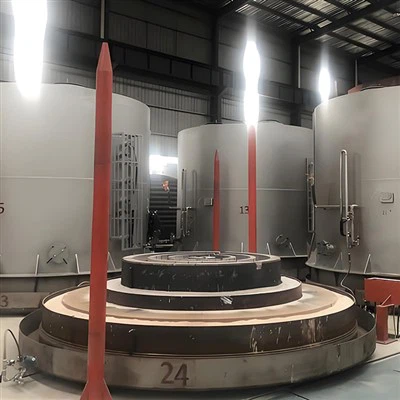
Controlling the temperature in a mold roasting furnace is a critical aspect of ensuring the quality and efficiency of the roasting process. As a supplier of mold roasting furnaces, I understand the challenges and importance of precise temperature control. In this blog, I will share some key strategies and techniques to help you achieve optimal temperature control in your mold roasting furnace.
Understanding the Basics of Temperature Control in a Mold Roasting Furnace
Before diving into the specific methods of temperature control, it's essential to understand the basic principles involved. A mold roasting furnace is designed to heat molds to a specific temperature for a set period to achieve the desired physical and chemical changes in the mold material. The temperature inside the furnace needs to be carefully regulated to ensure uniform heating, prevent overheating or underheating, and maintain the integrity of the molds.
The temperature control system in a mold roasting furnace typically consists of a heating element, a temperature sensor, and a controller. The heating element, such as electric resistance heaters or gas burners, provides the heat source. The temperature sensor, usually a thermocouple or a resistance temperature detector (RTD), measures the actual temperature inside the furnace. The controller compares the measured temperature with the setpoint temperature and adjusts the power supplied to the heating element accordingly to maintain the desired temperature.
Factors Affecting Temperature Control
Several factors can affect the temperature control in a mold roasting furnace. Understanding these factors is crucial for implementing effective temperature control strategies.
1. Furnace Design and Construction
The design and construction of the furnace play a significant role in temperature control. A well-insulated furnace minimizes heat loss and ensures more efficient temperature control. The shape and size of the furnace chamber can also affect the heat distribution. For example, a box-shaped furnace may have different heat distribution characteristics compared to a through-type furnace. Our Box Type Shell Baking Furnace and Box Type Roasting Furnace are designed with advanced insulation materials and optimized chamber geometries to provide uniform heat distribution.
2. Heating Element Performance
The performance of the heating element is another critical factor. The heating element should have a high heating capacity and be able to respond quickly to changes in power input. Different types of heating elements have different heating characteristics. Electric resistance heaters offer precise control and are suitable for applications requiring accurate temperature control. Gas burners, on the other hand, can provide high heat output and are often used in large-scale furnaces. Regular maintenance and inspection of the heating element are necessary to ensure its proper functioning.
3. Load Characteristics
The characteristics of the molds being roasted, such as their size, shape, material, and quantity, can also affect the temperature control. Larger or denser molds may require more heat to reach the desired temperature, and unevenly distributed loads can cause temperature variations inside the furnace. It's important to consider the load characteristics when setting the temperature and heating profile.
4. Airflow and Ventilation
Proper airflow and ventilation are essential for maintaining uniform temperature distribution inside the furnace. Air circulation helps to transfer heat evenly to the molds and removes any hot spots. The ventilation system also helps to remove combustion products and moisture from the furnace, which can affect the temperature and the quality of the roasting process.
Strategies for Temperature Control
1. Setpoint Programming
One of the most basic yet important strategies for temperature control is proper setpoint programming. The setpoint temperature should be determined based on the requirements of the mold roasting process. It's important to consider the material properties of the molds, the desired roasting time, and any specific temperature profiles recommended by the mold manufacturer. The controller should be programmed to ramp up the temperature gradually to avoid thermal shock to the molds. Once the setpoint temperature is reached, the controller should maintain the temperature within a narrow tolerance range.
2. PID Control
Proportional-Integral-Derivative (PID) control is a widely used control algorithm in temperature control systems. PID controllers continuously adjust the power supplied to the heating element based on the difference between the measured temperature and the setpoint temperature (proportional term), the accumulated error over time (integral term), and the rate of change of the error (derivative term). PID control provides a more precise and stable temperature control compared to simple on-off control. Most modern mold roasting furnaces are equipped with PID controllers, and proper tuning of the PID parameters is essential for optimal performance.
3. Temperature Monitoring and Feedback
Continuous temperature monitoring is crucial for ensuring accurate temperature control. Multiple temperature sensors can be installed at different locations inside the furnace to monitor the temperature distribution. The data from the temperature sensors can be used to provide feedback to the controller and make real-time adjustments if necessary. Some advanced furnaces are equipped with data logging capabilities, which allow you to record the temperature history and analyze the performance of the furnace over time.


4. Load Management
Proper load management can also help to improve temperature control. As mentioned earlier, the load characteristics can affect the temperature distribution inside the furnace. It's important to arrange the molds in a way that allows for uniform heat transfer. Avoid overloading the furnace, as this can lead to uneven heating and temperature variations. If possible, use fixtures or racks to hold the molds in place and ensure proper spacing between them.
5. Maintenance and Calibration
Regular maintenance and calibration of the temperature control system are essential for its long-term performance. The heating element should be inspected regularly for signs of wear or damage, and any faulty components should be replaced promptly. The temperature sensors should be calibrated periodically to ensure accurate temperature measurement. A well-maintained temperature control system will provide more reliable and consistent temperature control.
Case Study: Optimizing Temperature Control in a Through-Type Shell Baking Furnace
Let's take a look at a case study of optimizing temperature control in a Through-type Shell Baking Furnace. A customer was experiencing temperature variations inside the furnace, which was affecting the quality of the roasted molds. After a detailed analysis, we identified several issues that were contributing to the problem.
The furnace had some insulation damage, which was causing heat loss and uneven temperature distribution. The heating element was also showing signs of wear, and the PID controller parameters were not properly tuned. We replaced the damaged insulation, repaired the heating element, and re-tuned the PID controller. We also installed additional temperature sensors at different locations inside the furnace to monitor the temperature distribution more accurately.
After implementing these improvements, the temperature variations inside the furnace were significantly reduced, and the quality of the roasted molds improved. The customer was able to achieve more consistent roasting results and increase the productivity of the furnace.
Conclusion
Controlling the temperature in a mold roasting furnace is a complex but essential task. By understanding the factors affecting temperature control and implementing the strategies discussed in this blog, you can achieve more precise and stable temperature control, improve the quality of the roasted molds, and increase the efficiency of your roasting process.
As a leading supplier of mold roasting furnaces, we are committed to providing high-quality products and solutions for temperature control. Our furnaces are designed with the latest technology and features to ensure optimal performance and reliability. If you have any questions or need further assistance with temperature control in your mold roasting furnace, please feel free to contact us. We look forward to discussing your specific requirements and helping you find the best solution for your business.
References
- ASM Handbook, Volume 4: Heat Treating, ASM International
- Industrial Furnaces: Principles, Design, and Operation, Springer
- Control Systems Engineering, Norman S. Nise