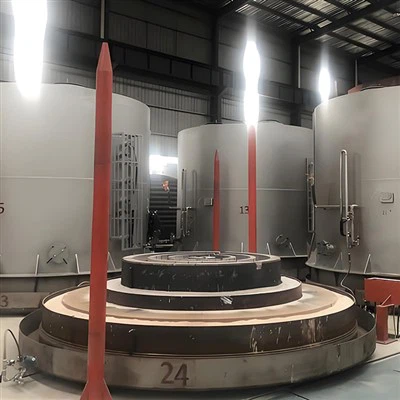
As a supplier of aging furnaces, I understand the critical role these machines play in various industries, especially in heat treatment processes. Aging furnaces are used to enhance the mechanical properties of metals and alloys through a controlled heating and cooling process. However, like any other industrial equipment, aging furnaces require regular maintenance to ensure optimal performance, longevity, and safety. In this blog post, I will share some essential tips on how to maintain an aging furnace effectively.
Regular Inspection
Regular inspection is the cornerstone of furnace maintenance. It allows you to identify potential issues early on and take corrective actions before they escalate into major problems. Here are some key areas to focus on during inspections:


- Exterior Inspection: Check the furnace's exterior for any signs of damage, such as cracks, dents, or rust. Inspect the doors, hinges, and seals to ensure they are in good condition and provide a tight seal. A loose or damaged seal can lead to heat loss, reduced efficiency, and increased energy consumption.
- Electrical System: Inspect the electrical wiring, connections, and controls for any signs of wear, fraying, or overheating. Loose connections or damaged wiring can pose a significant safety hazard and may cause the furnace to malfunction. Ensure that all electrical components are properly grounded and that the control panel is functioning correctly.
- Heating Elements: Examine the heating elements for signs of damage, such as breakage, corrosion, or overheating. Damaged heating elements can result in uneven heating, reduced efficiency, and increased energy consumption. Replace any damaged heating elements promptly to ensure consistent performance.
- Thermostat and Temperature Sensors: Test the thermostat and temperature sensors to ensure they are accurate and functioning properly. Inaccurate temperature readings can lead to overheating or underheating, which can affect the quality of the heat treatment process. Calibrate the thermostat and temperature sensors regularly to maintain precise temperature control.
- Ventilation System: Inspect the ventilation system, including the fans, ducts, and exhaust pipes, for any blockages, leaks, or damage. A blocked or damaged ventilation system can cause poor air circulation, which can lead to overheating, reduced efficiency, and increased energy consumption. Clean the ventilation system regularly to ensure proper airflow.
Cleaning and Lubrication
Regular cleaning and lubrication are essential for maintaining the performance and longevity of an aging furnace. Here are some cleaning and lubrication tasks to perform:
- Clean the Interior: Remove any debris, dust, or scale from the interior of the furnace using a vacuum cleaner or a soft brush. Pay special attention to the heating elements, fans, and ventilation system. Accumulated debris can reduce the efficiency of the furnace and may cause overheating.
- Clean the Exterior: Wipe down the exterior of the furnace with a damp cloth to remove any dirt, grease, or stains. Use a mild detergent if necessary. Avoid using abrasive cleaners or solvents, as they can damage the furnace's finish.
- Lubricate Moving Parts: Lubricate all moving parts, such as the fans, motors, and hinges, according to the manufacturer's recommendations. Proper lubrication reduces friction, wear, and noise, and helps to extend the lifespan of the components.
- Clean the Filters: If the furnace is equipped with filters, clean or replace them regularly to ensure proper air circulation. Clogged filters can restrict airflow, reduce efficiency, and increase energy consumption.
Calibration and Testing
Calibration and testing are important steps in maintaining the accuracy and reliability of an aging furnace. Here are some calibration and testing tasks to perform:
- Temperature Calibration: Calibrate the thermostat and temperature sensors regularly to ensure accurate temperature control. Use a calibrated thermometer to verify the accuracy of the temperature readings. Adjust the thermostat or temperature sensors as needed to maintain the desired temperature.
- Pressure Testing: If the furnace operates under pressure, perform regular pressure tests to ensure the integrity of the system. Check for any leaks or pressure drops and repair them immediately.
- Function Testing: Test all the functions of the furnace, including the heating elements, fans, controls, and safety devices, to ensure they are working properly. Follow the manufacturer's instructions for testing procedures.
Preventive Maintenance Schedule
Developing a preventive maintenance schedule is crucial for ensuring the long-term performance and reliability of an aging furnace. A preventive maintenance schedule should include regular inspections, cleaning, lubrication, calibration, and testing tasks. Here is a sample preventive maintenance schedule:
- Daily: Check the furnace's operation and temperature readings. Inspect the exterior for any signs of damage or leaks.
- Weekly: Clean the interior of the furnace and remove any debris. Check the ventilation system for blockages.
- Monthly: Lubricate all moving parts. Test the thermostat and temperature sensors for accuracy.
- Quarterly: Inspect the electrical system for any signs of wear or damage. Clean the filters.
- Semi-Annually: Calibrate the thermostat and temperature sensors. Perform a pressure test if applicable.
- Annually: Have a professional technician perform a comprehensive inspection and maintenance service on the furnace.
Troubleshooting and Repairs
Despite regular maintenance, aging furnaces may still experience problems from time to time. Here are some common problems and troubleshooting tips:
- No Heat: Check the power supply, thermostat settings, and heating elements. If the heating elements are damaged, replace them.
- Uneven Heating: Check the heating elements, fans, and ventilation system for blockages or damage. Clean or repair as needed.
- Overheating: Check the thermostat, temperature sensors, and ventilation system. Ensure that the furnace is not overloaded.
- Strange Noises: Check the fans, motors, and other moving parts for loose or damaged components. Tighten or replace as needed.
- Safety Device Activation: If the safety device, such as a high-limit switch or a pressure relief valve, is activated, stop the furnace immediately and contact a professional technician for assistance.
In conclusion, maintaining an aging furnace requires regular inspection, cleaning, lubrication, calibration, and testing. By following these tips and developing a preventive maintenance schedule, you can ensure the optimal performance, longevity, and safety of your aging furnace. If you have any questions or need further assistance with furnace maintenance, please feel free to contact us. We are a leading supplier of aging furnaces, including Trolley Type Aluminum Alloy Aging Furnace, Aluminum Aging Furnace, and Pit Type Aluminum Alloy Aging Furnace. Our team of experts is dedicated to providing high-quality products and services to meet your heat treatment needs. Contact us today to learn more about our aging furnace solutions and how we can help you maintain your equipment.
References
- Manufacturer's Manual: Refer to the manufacturer's manual for specific maintenance instructions and recommendations for your aging furnace.
- Industry Standards: Follow industry standards and best practices for furnace maintenance to ensure compliance and safety.
- Professional Services: Consider hiring a professional furnace maintenance service provider to perform regular inspections, maintenance, and repairs on your aging furnace.