In the realm of food preparation, roasting is a time - honored cooking method that has been used for centuries to enhance the flavor, texture, and aroma of various ingredients. As technology advances, new types of roasters have emerged, and one question that often arises is whether an air roaster is healthier than a traditional roaster. As a seasoned roaster supplier, I've witnessed the evolution of roasting technology and have in - depth knowledge about the characteristics of different roasters. In this blog, I'll explore this question from multiple scientific perspectives to help you make an informed decision.


How Traditional Roasters Work
Traditional roasters typically use conduction, convection, or a combination of both to cook food. Conduction roasting involves direct contact between the food and a heated surface, such as a pan or a rack. For example, when you roast a chicken in a metal roasting pan placed in an oven, the heat from the pan is transferred directly to the chicken. Convection roasting, on the other hand, uses the movement of hot air within the oven to cook the food. Most modern ovens are equipped with fans that circulate the hot air, ensuring more even cooking.
The process of traditional roasting often requires the addition of fats, such as oil or butter, to prevent the food from drying out and to enhance its flavor. When the food is exposed to high temperatures for an extended period, the fats can break down and form potentially harmful compounds. For instance, when meat is roasted at high temperatures, heterocyclic amines (HCAs) and polycyclic aromatic hydrocarbons (PAHs) can be formed. These compounds have been linked to an increased risk of cancer in some studies (Sinha, R., et al., 2005).
The Mechanism of Air Roasters
Air roasters, also known as air fryers, operate on the principle of rapid air technology. They use a powerful fan to circulate hot air at high speeds around the food. The hot air cooks the food from all sides, creating a crispy exterior similar to deep - frying but with significantly less oil.
One of the key advantages of air roasters is that they require little to no added oil. Since the hot air does the cooking, the need for submerging the food in oil is eliminated. This means that the food cooked in an air roaster generally has a lower fat content compared to food cooked in a traditional roaster. For example, French fries cooked in an air roaster can have up to 80% less fat than those deep - fried in oil (Fryer, A., 2018).
Nutritional Comparison
When it comes to nutrition, air roasters have a clear edge in terms of fat content. As mentioned earlier, the reduced use of oil in air roasting results in lower calorie and fat intake. This is particularly beneficial for individuals who are trying to manage their weight or reduce their risk of heart disease.
In addition, air roasting can help retain more nutrients in the food. Traditional roasting at high temperatures for long periods can cause the loss of water - soluble vitamins, such as vitamin C and some B - vitamins. Since air roasters cook food more quickly and with less heat exposure, there is less nutrient degradation. For example, vegetables roasted in an air roaster may retain more of their vitamins and minerals compared to those roasted in a traditional oven.
Health Risks Associated with Traditional Roasting
As previously discussed, the formation of HCAs and PAHs during traditional roasting is a major health concern. These compounds are formed when meat and other protein - rich foods are cooked at high temperatures. HCAs are formed when amino acids, sugars, and creatine react under high - heat conditions, while PAHs are produced when fat and juices from the meat drip onto the hot surface and burn.
Exposure to HCAs and PAHs has been associated with an increased risk of several types of cancer, including breast, colon, and prostate cancer. Moreover, traditional roasting often involves the use of large amounts of oil, which can lead to high cholesterol and triglyceride levels if consumed regularly.
Health Benefits of Air Roasting
The reduced fat content in air - roasted food is the most obvious health benefit. By using less oil, air roasting can help lower the risk of obesity, heart disease, and high blood pressure. The quick cooking time in air roasters also means that the food is less likely to form harmful compounds like HCAs and PAHs.
Another advantage of air roasting is that it can make healthy foods more appealing. For example, vegetables that are often overlooked can be transformed into crispy and flavorful snacks when roasted in an air roaster. This can encourage people to consume more vegetables, which are rich in fiber, vitamins, and antioxidants.
Applications in Different Industries
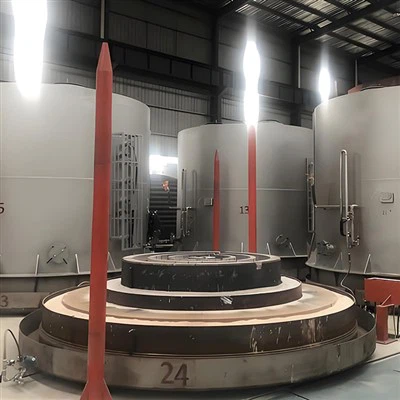
In the food industry, both traditional and air roasters have their own applications. Traditional roasters, such as the Trolley Type Roasting Furnace and Box Type Roasting Furnace, are commonly used in large - scale food production. They are capable of roasting large quantities of food at once and are suitable for industrial settings.
On the other hand, air roasters are more popular in the home kitchen and in small - scale food businesses. Their compact size and energy - efficiency make them a convenient choice for households and cafes. The Box Type Shell Baking Furnace can also be used for specific types of roasting, such as baking shells.
Considerations for Consumers
When choosing between an air roaster and a traditional roaster, consumers should consider their cooking needs and preferences. If you enjoy crispy, low - fat foods and want to reduce your oil consumption, an air roaster may be the better choice. However, if you need to roast large cuts of meat or bake large batches of bread regularly, a traditional roaster may be more suitable.
It's also important to note that while air roasters are generally healthier, they are not a magic solution for a healthy diet. The type of food you choose to roast also matters. For example, if you use an air roaster to cook processed meats that are high in sodium and preservatives, the health benefits will be diminished.
Conclusion
In conclusion, an air roaster is generally healthier than a traditional roaster. The reduced use of oil, lower formation of harmful compounds, and better nutrient retention make air roasting a more health - conscious choice. However, traditional roasters still have their place in the food industry, especially for large - scale production.
As a roaster supplier, I understand that every customer has unique needs. Whether you're looking for a healthy cooking option for your home or a reliable roaster for your business, I'm here to help. If you're interested in learning more about our range of roasters or would like to discuss a potential purchase, please feel free to reach out. We can provide you with detailed product information and assist you in making the right choice for your specific requirements.
References
Fryer, A. (2018). The Truth About Air Fryers. Healthline.
Sinha, R., et al. (2005). Dietary Heterocyclic Amines: An Assessment of the Evidence for Carcinogenicity and Mutagenicity in Humans. Environmental Health Perspectives, 113(12), 1546 - 1553.