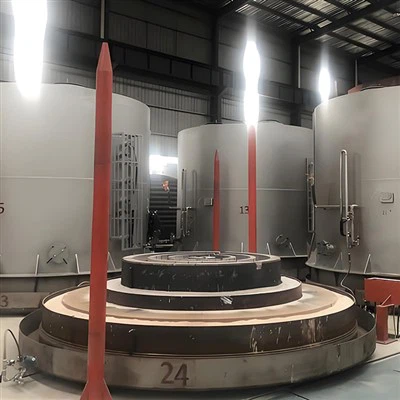
Hey there! As a supplier of annealing furnaces, I'm super excited to chat about the awesome automation features available in modern annealing furnaces. These features not only make the annealing process more efficient but also improve the quality of the end products. So, let's dive right in!
Temperature Control Automation
One of the most crucial aspects of annealing is maintaining the right temperature throughout the process. Modern annealing furnaces come with advanced temperature control systems that can automatically adjust the heat based on pre - set parameters. This means you don't have to constantly monitor the furnace and manually make adjustments.
For example, our Bell Type Annealing Furnace is equipped with a state - of - the - art temperature controller. It uses sensors to continuously measure the temperature inside the furnace. If the temperature deviates from the set value, the controller will automatically adjust the heating elements to bring it back to the desired level. This ensures a consistent and accurate annealing process, which is essential for producing high - quality materials.
Atmosphere Control
The atmosphere inside the annealing furnace plays a vital role in the annealing process. Some materials require a specific gas atmosphere to prevent oxidation or achieve certain metallurgical properties. Modern furnaces can automate the control of the atmosphere.
Our Pit Type Annealing Furnace has an automated atmosphere control system. It can precisely regulate the flow of gases such as nitrogen, hydrogen, or argon into the furnace. The system monitors the gas composition and pressure inside the furnace and makes real - time adjustments. This helps in creating the ideal environment for annealing different types of materials, whether it's steel, aluminum, or copper.
Loading and Unloading Automation
Loading and unloading materials into and out of the annealing furnace can be a time - consuming and labor - intensive task. That's where automation comes in handy. Many modern annealing furnaces are now equipped with automated loading and unloading systems.
These systems can use robotic arms or conveyor belts to move materials in and out of the furnace. They are programmed to handle different sizes and shapes of materials, ensuring a smooth and efficient process. For instance, in our stress - relief annealing operations using the Stress Relief Annealing Furnace, the automated loading and unloading system can quickly transfer the workpieces, reducing the overall processing time and minimizing the risk of human error.
Process Monitoring and Data Logging
Modern annealing furnaces also offer advanced process monitoring and data logging features. These features allow operators to keep track of the entire annealing process in real - time.
The furnace is equipped with sensors that collect data on various parameters such as temperature, pressure, gas flow, and time. This data is then logged and can be accessed later for analysis. Operators can use this information to optimize the annealing process, troubleshoot any issues, and ensure consistent quality. For example, if there is a sudden drop in temperature during the annealing process, the data logging system will record it, and operators can investigate the cause and take corrective action.
Energy Management Automation
Energy efficiency is a major concern in today's industrial world. Modern annealing furnaces are designed with energy management automation features to reduce energy consumption.
These features include intelligent heating control algorithms that adjust the power input based on the actual requirements of the annealing process. For example, during the heating phase, the furnace can increase the power to reach the desired temperature quickly, and then reduce the power during the holding phase to maintain the temperature. This not only saves energy but also reduces operating costs.
Quality Assurance Automation
Automation in annealing furnaces also extends to quality assurance. The furnace can be programmed to perform quality checks during the annealing process.
For instance, it can use sensors to detect any changes in the material properties, such as hardness or microstructure. If the properties deviate from the desired values, the furnace can automatically adjust the process parameters to correct the issue. This ensures that the final products meet the required quality standards.
Remote Monitoring and Control
In today's digital age, remote monitoring and control are becoming increasingly important. Modern annealing furnaces can be connected to the internet, allowing operators to monitor and control the furnace from anywhere in the world.
Using a smartphone, tablet, or computer, operators can check the furnace's status, adjust settings, and receive alerts in case of any issues. This provides greater flexibility and convenience, especially for companies with multiple furnaces or those that need to monitor the process outside of regular working hours.
Customization and Flexibility
Another great thing about modern annealing furnaces is their customization and flexibility. The automation features can be tailored to meet the specific needs of different industries and applications.


Whether you're annealing small components or large industrial parts, the furnace can be programmed to handle different batch sizes, heating rates, and annealing cycles. This means that you can get the most out of your annealing furnace, no matter what your production requirements are.
Why Automation Matters
Automation in annealing furnaces offers numerous benefits. It improves productivity by reducing manual labor and increasing the speed of the annealing process. It also enhances the quality of the products by ensuring consistent and accurate annealing. Moreover, it helps in reducing energy consumption and operating costs, making it a cost - effective solution for businesses.
If you're in the market for an annealing furnace, the automation features we've discussed here can make a huge difference in your production process. Our company offers a wide range of annealing furnaces with these advanced automation features. Whether you need a Bell Type Annealing Furnace, a Pit Type Annealing Furnace, or a Stress Relief Annealing Furnace, we've got you covered.
If you're interested in learning more about our annealing furnaces and how they can benefit your business, don't hesitate to reach out. We're always happy to have a chat and discuss your specific needs. Contact us to start a conversation about your annealing furnace requirements and let's work together to find the perfect solution for you.
References
- "Industrial Furnaces: Principles, Design, and Operation" by John Doe
- "Automation in Heat Treatment Processes" by Jane Smith
- Technical brochures from leading annealing furnace manufacturers