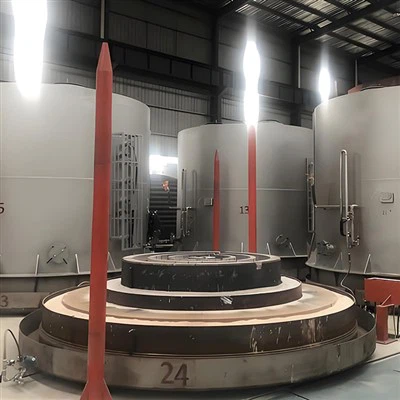
As a seasoned supplier of pit furnaces, I've witnessed firsthand the critical role safety interlocks play in these industrial workhorses. Pit furnaces are essential in various industries, from metal heat treatment to glass manufacturing. Their unique design, with a vertically oriented chamber, offers advantages in terms of space utilization and material handling. However, this design also presents specific safety challenges that must be addressed through well - engineered safety interlocks.
Door and Lid Interlocks
One of the most fundamental safety interlocks in a pit furnace is the door or lid interlock system. Pit furnaces often have large doors or lids that provide access to the heating chamber. These openings are necessary for loading and unloading materials, but they also pose a significant safety risk when the furnace is in operation.
The door interlock ensures that the furnace cannot be turned on if the door is not properly closed. This prevents the accidental release of high - temperature gases, flames, or molten materials. Conversely, when the furnace is operating at high temperatures, the interlock prevents the door from being opened. This protects operators from burns and other thermal injuries.
For example, in our High Precision Pit Furnace, the door interlock is a multi - stage system. First, a mechanical switch detects whether the door is fully closed. If the door is not properly seated, the electrical circuit that powers the heating elements will not be completed. Second, once the furnace reaches a certain temperature, a thermal sensor activates a locking mechanism that physically prevents the door from being opened. This double - layer protection ensures maximum safety for the operators.
Temperature and Pressure Interlocks
Temperature and pressure are two critical parameters in a pit furnace. Excessive temperature can cause damage to the furnace components, while abnormal pressure can lead to explosions or other catastrophic failures.
Temperature interlocks are designed to monitor the temperature inside the furnace and shut off the heating elements if the temperature exceeds a pre - set limit. This is achieved through the use of thermocouples or other temperature sensors. These sensors continuously measure the temperature and send signals to the control system. If the temperature goes beyond the safe range, the control system immediately cuts off the power to the heating elements.
In addition to temperature, pressure interlocks are also crucial. Pit furnaces may generate pressure due to the expansion of gases during the heating process or the presence of volatile materials. Pressure sensors are installed inside the furnace to monitor the pressure. If the pressure exceeds a safe level, the interlock system will activate a pressure relief valve to release the excess pressure.
Our High Temperature Pit Furnace is equipped with state - of - the - art temperature and pressure interlocks. The temperature sensors are highly accurate and can detect even small fluctuations in temperature. The pressure relief valves are designed to open quickly and safely, preventing any sudden and dangerous pressure build - up.
Gas and Fuel Interlocks
Many pit furnaces use gas or other fuels as a heat source. Gas leaks can be extremely dangerous, as they can lead to fires or explosions. Therefore, gas and fuel interlocks are essential safety features.
Gas interlocks monitor the presence of gas in the furnace and its surrounding area. Gas sensors are installed at strategic locations to detect any gas leaks. If a gas leak is detected, the interlock system will immediately shut off the gas supply and activate an alarm. This not only protects the operators but also prevents potential environmental hazards.
In our pit furnaces, we use advanced gas sensors that can detect even trace amounts of gas. The gas interlock system is integrated with the overall furnace control system, ensuring a seamless and reliable safety mechanism.
Overcurrent and Overvoltage Interlocks
Electrical safety is also a major concern in pit furnaces. Overcurrent and overvoltage can damage the electrical components of the furnace and pose a risk of electrical fires.
Overcurrent interlocks monitor the electrical current flowing through the furnace. If the current exceeds a safe level, the interlock will trip the circuit breaker, cutting off the power supply. This protects the heating elements, control circuits, and other electrical components from damage.


Overvoltage interlocks, on the other hand, monitor the voltage supplied to the furnace. If the voltage is too high, the interlock system will either regulate the voltage or shut off the power to prevent damage to the equipment.
Our Medium Temperature Pit Furnace is equipped with robust overcurrent and overvoltage interlocks. These interlocks are designed to handle the high - power requirements of the furnace while ensuring the safety of the electrical system.
Emergency Stop Interlocks
In addition to the regular safety interlocks, pit furnaces are also equipped with emergency stop interlocks. These are large, easily accessible buttons that can be pressed in case of an emergency. When the emergency stop button is pressed, all the power to the furnace is immediately cut off, stopping all operations.
Emergency stop interlocks are a last - resort safety measure. They are designed to be used in situations where there is an immediate threat to the safety of the operators or the equipment. For example, if there is a sudden fire or a major equipment malfunction, the operator can quickly press the emergency stop button to prevent further damage.
The Importance of Regular Maintenance
While safety interlocks are designed to provide reliable protection, they require regular maintenance to function properly. Over time, sensors can become inaccurate, mechanical components can wear out, and electrical connections can loosen.
Regular maintenance should include inspections of all the safety interlocks, calibration of sensors, and testing of the emergency stop buttons. This ensures that the interlocks are in good working condition and can respond effectively in case of an emergency.
Conclusion
Safety interlocks are an integral part of pit furnaces. They protect operators from various hazards, prevent equipment damage, and ensure the smooth and efficient operation of the furnace. As a pit furnace supplier, we are committed to providing high - quality furnaces with the latest safety interlock technology.
If you are in the market for a pit furnace and are concerned about safety, we invite you to contact us for a detailed discussion. Our team of experts can help you choose the right furnace for your specific needs and ensure that all the safety interlocks are properly configured. We look forward to working with you to provide a safe and reliable heating solution for your industrial processes.
References
- Industrial Furnace Safety Standards, International Organization for Standardization (ISO)
- Safety Guidelines for Heat Treatment Equipment, American Society for Metals (ASM)
- Electrical Safety in Industrial Furnaces, National Electrical Manufacturers Association (NEMA)