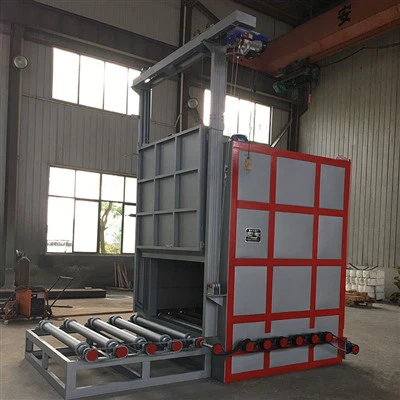
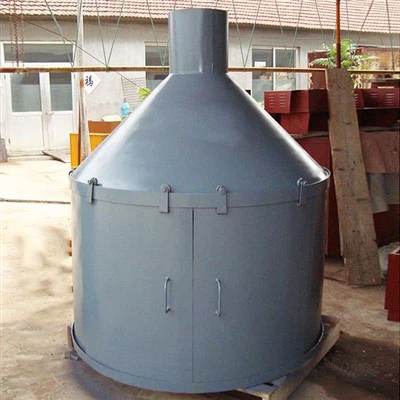
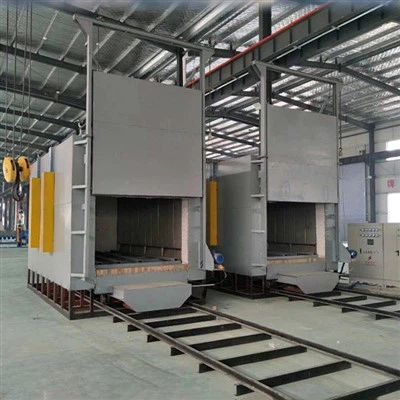
What is the heat preservation performance of a Box Type Aging Furnace?
As a supplier of Box Type Aging Furnaces, I often get asked about the heat preservation performance of these essential industrial machines. Heat preservation is a critical factor in the efficiency and effectiveness of an aging furnace, as it directly impacts energy consumption, processing quality, and overall operational costs. In this blog post, I'll delve into the key aspects of the heat preservation performance of a Box Type Aging Furnace, exploring the factors that influence it and why it matters for your industrial processes.
Understanding the Basics of Heat Preservation in Box Type Aging Furnaces
Heat preservation in a Box Type Aging Furnace refers to the ability of the furnace to maintain a stable and consistent temperature inside the chamber during the aging process. This is crucial because the aging treatment of materials, such as metals and alloys, requires precise temperature control over a specific period. Any significant temperature fluctuations can lead to inconsistent material properties, reduced product quality, and increased energy waste.
The heat preservation performance of a Box Type Aging Furnace is determined by several factors, including the insulation materials used, the design of the furnace structure, and the efficiency of the heating system. Let's take a closer look at each of these factors.
Insulation Materials
The choice of insulation materials is one of the most important factors affecting the heat preservation performance of a Box Type Aging Furnace. High-quality insulation materials can effectively reduce heat loss from the furnace chamber, keeping the internal temperature stable and minimizing energy consumption.
Common insulation materials used in Box Type Aging Furnaces include ceramic fiber blankets, rock wool, and refractory bricks. Ceramic fiber blankets are widely used due to their excellent thermal insulation properties, low thermal conductivity, and lightweight. They can withstand high temperatures and provide good heat preservation even in extreme conditions. Rock wool is another popular choice, offering good insulation performance and fire resistance. Refractory bricks are often used in the lining of the furnace chamber to provide additional heat insulation and structural support.
At our company, we use only the highest quality insulation materials in our Box Type Aging Furnaces to ensure optimal heat preservation performance. Our furnaces are designed with multiple layers of insulation to minimize heat loss and maintain a stable internal temperature.
Furnace Structure Design
The design of the furnace structure also plays a crucial role in heat preservation. A well-designed Box Type Aging Furnace should have a tight seal to prevent heat leakage. The doors and joints of the furnace should be properly insulated and sealed to minimize heat loss. Additionally, the shape and size of the furnace chamber can affect the distribution of heat inside the furnace, which in turn impacts the heat preservation performance.
Our Box Type Aging Furnaces are designed with a robust and well-insulated structure to ensure maximum heat preservation. We use advanced sealing technologies to prevent heat leakage and ensure a tight fit between the doors and the furnace body. The internal structure of the furnace is optimized to promote uniform heat distribution, ensuring that all parts of the material being treated are exposed to the same temperature.
Heating System Efficiency
The efficiency of the heating system is another important factor in heat preservation. A high-efficiency heating system can quickly raise the temperature inside the furnace to the desired level and maintain it with minimal energy consumption. There are several types of heating systems used in Box Type Aging Furnaces, including electric heating, gas heating, and oil heating.
Electric heating systems are known for their high efficiency and precise temperature control. They can quickly heat up the furnace chamber and maintain a stable temperature. Gas heating systems are also popular due to their relatively low cost and high heating capacity. Oil heating systems are often used in applications where a high level of heat is required.
At our company, we offer a range of heating systems for our Box Type Aging Furnaces to meet the specific needs of our customers. Our heating systems are designed to be energy-efficient and reliable, ensuring optimal heat preservation performance.
The Importance of Heat Preservation Performance
The heat preservation performance of a Box Type Aging Furnace has several important implications for industrial processes. Here are some of the key benefits of having a furnace with good heat preservation performance:
- Energy Efficiency: A furnace with good heat preservation performance can significantly reduce energy consumption. By minimizing heat loss, the furnace can maintain a stable temperature with less energy input, resulting in lower operating costs.
- Product Quality: Precise temperature control is essential for achieving consistent material properties during the aging process. A furnace with good heat preservation performance can ensure that the temperature inside the chamber remains stable, leading to higher-quality products.
- Process Stability: Stable temperature conditions are crucial for the reliability and reproducibility of the aging process. A furnace with good heat preservation performance can minimize temperature fluctuations, ensuring that the process runs smoothly and consistently.
- Longevity of the Furnace: Reducing heat loss can also extend the lifespan of the furnace. By minimizing the stress on the heating elements and other components, the furnace can operate more efficiently and reliably over a longer period.
Our Box Type Aging Furnaces
As a leading supplier of Box Type Aging Furnaces, we are committed to providing our customers with high-quality products that offer excellent heat preservation performance. Our furnaces are designed and manufactured using the latest technologies and materials to ensure optimal efficiency and reliability.
We offer a wide range of Box Type Aging Furnaces to meet the diverse needs of our customers. Whether you need a small furnace for laboratory use or a large industrial furnace for mass production, we have the right solution for you. Our furnaces are available in different sizes, configurations, and heating systems to suit your specific requirements.
In addition to our standard models, we also offer customized solutions to meet the unique needs of our customers. Our experienced engineering team can work with you to design and build a furnace that meets your exact specifications.
If you are interested in learning more about our Box Type Aging Furnaces or have any questions about heat preservation performance, please contact us. We would be happy to discuss your needs and provide you with a detailed quote.


We also invite you to explore our other aging furnace products, such as the Aluminum Aging Furnace, Trolley Type Aluminum Alloy Aging Furnace, and Pit Type Aluminum Alloy Aging Furnace. These products are designed to provide efficient and reliable heat treatment solutions for various applications.
In conclusion, the heat preservation performance of a Box Type Aging Furnace is a critical factor in its efficiency, effectiveness, and overall performance. By choosing a high-quality furnace with good heat preservation performance, you can reduce energy consumption, improve product quality, and ensure the stability of your industrial processes. If you are in the market for a Box Type Aging Furnace, we encourage you to contact us to learn more about our products and services.
References
- Smith, J. (2018). Industrial Furnaces: Design, Operation, and Maintenance. Elsevier.
- Jones, R. (2019). Heat Treatment of Metals: Principles and Practice. CRC Press.
- Brown, A. (2020). Thermal Insulation Materials: Properties and Applications. Springer.