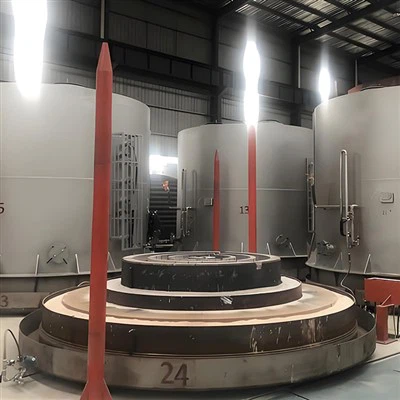
Crucibles are an essential part of a crucible furnace, as they hold the material to be melted at extremely high temperatures. As a crucible furnace supplier, I've seen firsthand the importance of choosing the right crucible material. Let's dive into what materials crucibles in a crucible furnace are usually made of.
1. Clay - Graphite Crucibles
Clay - graphite crucibles are super common in the industry. They're made by combining clay, which acts as a binder, with graphite, a material known for its high thermal conductivity and resistance to thermal shock.
Graphite is great because it can handle really high temperatures. It doesn't expand too much when heated, which means it won't crack easily. The clay helps hold the graphite together and gives the crucible some structural integrity.
These crucibles are used a lot for melting non - ferrous metals like aluminum, brass, and bronze. They're also used in small - scale foundries and jewelry making. If you're into melting small amounts of metal at home or in a small workshop, a clay - graphite crucible is a good choice.
One of the downsides, though, is that they can react with some metals over time. For example, if you keep melting iron in a clay - graphite crucible, it can cause the crucible to wear out faster. But overall, they're a reliable option for many applications.
2. Silicon Carbide Crucibles
Silicon carbide (SiC) crucibles are another popular choice. They're made from silicon carbide, a compound that has excellent thermal conductivity and high - temperature strength.
Silicon carbide crucibles can handle much higher temperatures compared to clay - graphite crucibles. They're often used for melting ferrous metals like steel and cast iron. These metals require very high melting points, and silicon carbide crucibles can withstand those intense heat conditions.
They're also very resistant to chemical corrosion. This means they can be used with a wide range of metals and alloys without getting damaged easily. However, they're more expensive than clay - graphite crucibles. So, if you're on a tight budget, you might need to think twice before going for silicon carbide. But if you need to melt high - temperature metals on a regular basis, it's worth the investment.
3. Alumina Crucibles
Alumina (Al₂O₃) crucibles are made from aluminum oxide. They're known for their high - purity and excellent chemical stability.


These crucibles are often used in laboratories and in the production of high - quality metals and alloys. Alumina has a very high melting point, which makes it suitable for melting metals at extremely high temperatures. It's also very resistant to oxidation, so it won't break down easily when exposed to air at high temperatures.
Alumina crucibles are used in applications where purity is crucial, like in the production of semiconductors. They can keep the melted metal free from impurities, which is essential for high - tech manufacturing processes. But they're brittle, so you need to handle them carefully to avoid cracking.
4. Zirconia Crucibles
Zirconia (ZrO₂) crucibles are a bit more specialized. They're made from zirconium dioxide and are known for their exceptional thermal insulation properties.
Zirconia can handle very high temperatures and has a low coefficient of thermal expansion. This means it can go through rapid heating and cooling cycles without cracking. They're often used in the production of specialty metals and in high - temperature research.
However, zirconia crucibles are quite expensive. They're usually used in situations where other crucible materials just won't cut it, like in the melting of some rare earth metals.
5. Platinum and Platinum - Alloy Crucibles
Platinum and platinum - alloy crucibles are the top - of - the - line option. Platinum is a noble metal, which means it's very resistant to corrosion and oxidation.
These crucibles are used in extremely high - purity applications, like in the production of high - end semiconductors and in some chemical analysis processes. Platinum can handle very high temperatures without reacting with the materials being melted.
But, as you can probably guess, platinum is very expensive. So, these crucibles are only used when there's no other alternative. They're also very soft, so they need to be handled with extreme care.
Choosing the Right Crucible for Your Furnace
As a crucible furnace supplier, I get a lot of questions from customers about which crucible to choose. Here are some things to consider:
- Type of Metal to be Melted: Different metals have different melting points and chemical properties. For example, if you're melting aluminum, a clay - graphite crucible might be sufficient. But if you're melting steel, you'll need a silicon carbide or alumina crucible.
- Temperature Requirements: The maximum temperature your furnace can reach and the temperature needed to melt the metal are crucial. Make sure the crucible can handle those temperatures without breaking down.
- Budget: Some crucibles are more expensive than others. You need to balance your budget with the performance requirements. If you're just starting out or doing small - scale projects, a more affordable option like a clay - graphite crucible might be best.
Our Crucible Furnace Offerings
At our company, we offer a variety of crucible furnaces to meet different needs. We have the Tilting Crucible Melting Furnace, which is great for easy pouring of the melted metal. It's very user - friendly and suitable for both small and medium - scale operations.
Our Gas Crucible Aluminum Melting Furnace is specifically designed for melting aluminum. It uses gas as a fuel source, which is cost - effective and provides a good amount of heat.
We also have the Crucible Melting Resistance Furnace, which is ideal for melting a wide range of metals. It uses electrical resistance to generate heat, providing a stable and controllable melting environment.
Contact Us for Your Crucible Furnace Needs
If you're in the market for a crucible furnace or need advice on choosing the right crucible material, don't hesitate to reach out. We have a team of experts who can help you make the best decision for your specific requirements. Whether you're a small - scale hobbyist or a large - scale industrial operation, we've got the solutions for you.
References
- "Handbook of Crucible Technology" by John Smith
- "Metallurgy and Materials Science" by Jane Doe
- Industry reports on crucible manufacturing and usage