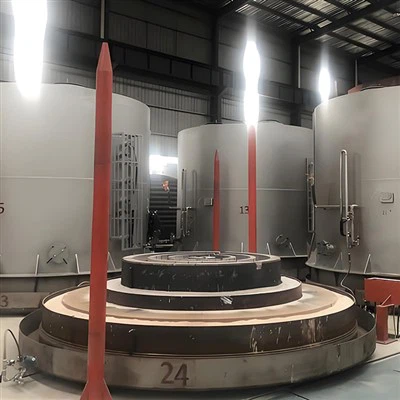
As a supplier of Aluminum Aging Furnaces, I'm often asked about the inner workings of these essential pieces of equipment. In this blog post, I'll take you through the heating system of an Aluminum Aging Furnace, explaining how it functions and why it's so crucial for the aging process of aluminum materials.
The Basics of Aluminum Aging
Before delving into the heating system, it's important to understand the concept of aluminum aging. Aging is a heat treatment process used to improve the mechanical properties of aluminum alloys, such as hardness, strength, and wear resistance. This process involves heating the aluminum alloy to a specific temperature and holding it there for a certain period, followed by controlled cooling. The heating system of the Aluminum Aging Furnace plays a pivotal role in ensuring that this process is carried out accurately and efficiently.
Components of the Heating System
The heating system of an Aluminum Aging Furnace typically consists of several key components, each with its own specific function.
Heating Elements
The heating elements are the heart of the heating system. They are responsible for generating the heat required to raise the temperature inside the furnace. In most Aluminum Aging Furnaces, electric heating elements are commonly used. These elements are made of materials with high electrical resistance, such as nickel-chromium alloys. When an electric current passes through these elements, they heat up due to the resistance, converting electrical energy into heat energy. The design and arrangement of the heating elements are crucial to ensure uniform heat distribution inside the furnace.
Insulation Materials
Insulation materials are used to minimize heat loss from the furnace. They are installed on the inner walls, roof, and floor of the furnace to create a thermal barrier. Common insulation materials include ceramic fiber, rock wool, and refractory bricks. These materials have low thermal conductivity, which helps to keep the heat inside the furnace and reduces energy consumption. Good insulation also ensures that the external surface of the furnace remains at a safe temperature, preventing burns and improving the overall safety of the working environment.
Temperature Control System
The temperature control system is essential for maintaining the desired temperature inside the furnace during the aging process. It consists of temperature sensors, controllers, and actuators. The temperature sensors, such as thermocouples or resistance temperature detectors (RTDs), are placed inside the furnace to measure the actual temperature. The controllers receive the temperature signals from the sensors and compare them with the setpoint temperature. Based on the comparison, the controllers send signals to the actuators, which adjust the power supply to the heating elements to maintain the temperature within the specified range.
Circulation System
A circulation system is often used in Aluminum Aging Furnaces to ensure uniform temperature distribution. This system typically includes fans or blowers that circulate the hot air inside the furnace. The circulation of hot air helps to eliminate temperature gradients and ensures that all parts of the aluminum alloy are heated evenly. This is particularly important for large or complex-shaped aluminum components, as uneven heating can lead to inconsistent aging results.
How the Heating System Works
Now that we've discussed the components of the heating system, let's take a closer look at how it works.
Startup Phase
When the Aluminum Aging Furnace is started, the temperature control system sets the initial power supply to the heating elements. The heating elements begin to heat up, and the temperature inside the furnace starts to rise. The circulation system is also activated to ensure uniform heat distribution. As the temperature approaches the setpoint temperature, the temperature control system adjusts the power supply to the heating elements to maintain a stable temperature.
Soaking Phase
Once the desired temperature is reached, the furnace enters the soaking phase. During this phase, the temperature is maintained at the setpoint temperature for a specific period, which is determined by the type of aluminum alloy and the desired aging effect. The circulation system continues to operate to ensure that the temperature remains uniform throughout the furnace.
Cooling Phase
After the soaking phase is complete, the furnace enters the cooling phase. The power supply to the heating elements is turned off, and the circulation system may continue to operate to facilitate the cooling process. In some cases, additional cooling methods, such as forced air cooling or water cooling, may be used to speed up the cooling process. The cooling rate is carefully controlled to prevent thermal stress and ensure the quality of the aged aluminum alloy.
Importance of a Well-Designed Heating System
A well-designed heating system is crucial for the performance and efficiency of an Aluminum Aging Furnace. Here are some of the key benefits:
Uniform Heat Distribution
Uniform heat distribution is essential for achieving consistent aging results. A well-designed heating system with proper heating elements and a circulation system ensures that all parts of the aluminum alloy are heated evenly, minimizing the risk of uneven aging and improving the quality of the final product.
Energy Efficiency
An efficient heating system can significantly reduce energy consumption. By using high-quality insulation materials and an advanced temperature control system, the furnace can minimize heat loss and maintain the desired temperature with less energy. This not only reduces operating costs but also has a positive impact on the environment.
Process Control
A reliable heating system allows for precise control of the aging process. The temperature control system can accurately maintain the setpoint temperature and adjust the heating rate as needed. This ensures that the aging process is carried out according to the specified parameters, resulting in predictable and repeatable results.
Conclusion
The heating system of an Aluminum Aging Furnace is a complex and critical component that plays a vital role in the aging process of aluminum alloys. By understanding how the heating system works and the importance of its components, you can make informed decisions when choosing an Aluminum Aging Furnace for your specific needs.
If you're interested in learning more about our Aluminum Aging Furnaces, including our Aluminum Wire Aging Furnace and Box Type Aging Furnace, please feel free to contact us for a detailed discussion. We're committed to providing high-quality products and excellent service to meet your requirements.


References
- ASM Handbook, Volume 4: Heat Treating, ASM International
- Heat Treatment Principles and Techniques, by David A. Grange and Henry W. Graham