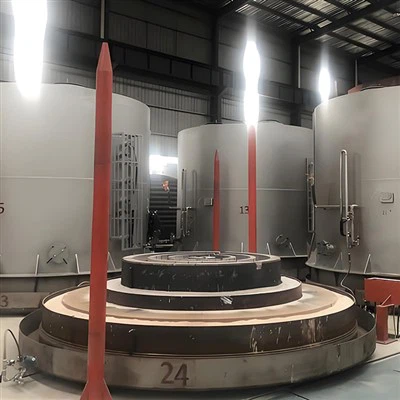
Hey there! As a supplier of Box Annealing Furnaces, I know how crucial it is to keep the sensors in these furnaces calibrated. Sensors play a vital role in ensuring that the annealing process runs smoothly and produces high - quality results. In this blog, I'll share some tips on how to calibrate the sensors in a Box Annealing Furnace.
Why Sensor Calibration Matters
First off, let's talk about why sensor calibration is so important. In a Box Annealing Furnace, sensors are responsible for measuring various parameters like temperature, pressure, and gas flow. These measurements are used to control the annealing process. If the sensors are not calibrated correctly, the furnace might not operate at the right conditions. This can lead to inconsistent annealing results, such as uneven hardness or brittleness in the annealed materials. So, regular calibration is a must to maintain the quality of the annealing process.


Types of Sensors in a Box Annealing Furnace
Before we dive into the calibration process, let's take a look at the common types of sensors in a Box Annealing Furnace:
- Temperature Sensors: These are probably the most critical sensors in the furnace. They are used to measure the temperature inside the annealing chamber. The most common type of temperature sensor is the thermocouple. Thermocouples work based on the Seebeck effect, where a voltage is generated at the junction of two different metals due to a temperature difference.
- Pressure Sensors: Pressure sensors are used to monitor the pressure inside the furnace. Maintaining the right pressure is essential for a proper annealing process. For example, in a vacuum annealing furnace, the pressure needs to be carefully controlled to prevent oxidation of the annealed materials.
- Gas Flow Sensors: If your Box Annealing Furnace uses a protective gas atmosphere, gas flow sensors are used to measure the flow rate of the gas. This ensures that the correct amount of gas is supplied to the furnace to create the desired atmosphere.
Calibrating Temperature Sensors
Let's start with temperature sensors. Here's a step - by - step guide on how to calibrate them:
- Select a Reference Standard: You'll need a reliable reference standard, such as a calibrated thermometer or a temperature - controlled bath. The reference standard should have a known and accurate temperature.
- Prepare the Sensor: Make sure the temperature sensor is clean and in good working condition. If it has any visible damage, it might need to be replaced before calibration.
- Take Measurements: Place the temperature sensor and the reference standard in the same environment, such as inside the annealing chamber or in the temperature - controlled bath. Allow some time for the sensor and the reference standard to reach thermal equilibrium. Then, take a series of temperature measurements at different points.
- Compare the Readings: Compare the readings from the temperature sensor with the readings from the reference standard. If there is a significant difference, you'll need to adjust the sensor. Most modern temperature sensors can be adjusted electronically. You can usually find the adjustment procedure in the sensor's user manual.
- Record the Results: Keep a record of the calibration results, including the date, the reference standard used, and the adjustments made. This record will be useful for future reference and for quality control purposes.
Calibrating Pressure Sensors
Calibrating pressure sensors is a bit different. Here's how you can do it:
- Choose a Pressure Reference: You'll need a calibrated pressure gauge or a pressure - generating device with a known pressure output. This will serve as your reference for calibration.
- Connect the Sensor: Connect the pressure sensor to the pressure reference device. Make sure all the connections are tight and leak - free.
- Apply Different Pressures: Apply a series of different pressures to the sensor using the pressure - generating device. Take pressure readings from both the sensor and the reference device at each pressure level.
- Calculate the Error: Compare the readings from the pressure sensor with the readings from the reference device. Calculate the error at each pressure level. If the error is outside the acceptable range, you'll need to adjust the sensor. Some pressure sensors can be adjusted using potentiometers or through software settings.
- Verify the Calibration: After making the adjustments, re - apply the pressures and check the readings again to verify that the calibration is correct.
Calibrating Gas Flow Sensors
For gas flow sensors, the calibration process is as follows:
- Get a Flow Meter Standard: You'll need a calibrated flow meter that can measure the gas flow accurately. This will be your reference for calibration.
- Set up the System: Connect the gas flow sensor and the flow meter standard in series in the gas supply line. Make sure the gas flow is stable and there are no leaks in the system.
- Measure the Flow: Set the gas flow to different rates using a flow control valve. Take flow rate measurements from both the gas flow sensor and the flow meter standard at each flow rate.
- Adjust the Sensor: Compare the readings from the gas flow sensor with the readings from the flow meter standard. If there is a difference, adjust the sensor according to the manufacturer's instructions.
- Final Check: After adjustment, re - measure the gas flow at different rates to ensure that the calibration is accurate.
Frequency of Calibration
Now, you might be wondering how often you should calibrate the sensors in your Box Annealing Furnace. The frequency of calibration depends on several factors, such as the type of sensor, the operating conditions of the furnace, and the industry standards.
- Temperature Sensors: In general, temperature sensors should be calibrated at least once a year. However, if the furnace is used in a harsh environment or if the sensor is subjected to frequent thermal cycling, more frequent calibration might be required.
- Pressure Sensors: Pressure sensors should also be calibrated annually. If the furnace experiences sudden pressure changes or if the sensor is used in a high - pressure application, more frequent calibration might be necessary.
- Gas Flow Sensors: Gas flow sensors should be calibrated once a year. If the gas composition or the flow rate varies significantly during operation, more frequent calibration might be needed.
Importance of Professional Calibration
While you can perform basic sensor calibration on your own, it's often a good idea to have a professional calibration service do it for you. Professional calibration services have the expertise and the equipment to perform accurate and traceable calibrations. They can also provide you with calibration certificates, which are important for quality control and compliance with industry standards.
Our Annealing Furnace Offerings
As a Box Annealing Furnace supplier, we also offer other types of annealing furnaces, such as the Trolley Type Vacuum Annealing Furnace and the Mesh Belt Annealing Furnace. These furnaces are designed to meet different annealing requirements and can be customized to fit your specific needs. If you're interested in our Box Annealing Furnace or any of our other products, don't hesitate to contact us for a purchase consultation. We're here to help you find the best annealing solution for your business.
Conclusion
Calibrating the sensors in a Box Annealing Furnace is an important task that ensures the proper operation of the furnace and the quality of the annealing process. By following the steps outlined in this blog, you can keep your sensors calibrated and your furnace running smoothly. If you have any questions or need further assistance with sensor calibration or our annealing furnaces, feel free to reach out.
References
- ASTM International. "Standard Practices for Calibration of Temperature - Measuring Devices." ASTM E220 - 10.
- ASME. "B31.3 Process Piping." ASME B31.3 - 2018.
- ISO. "ISO 17025:2017 - General requirements for the competence of testing and calibration laboratories."