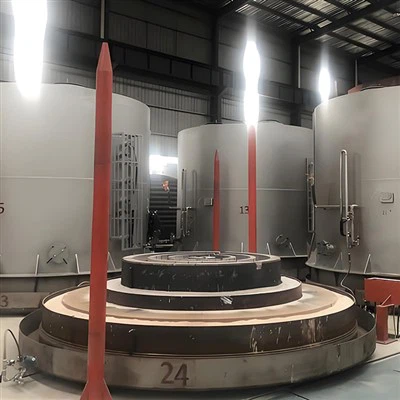
As a seasoned provider of annealing furnaces, I've witnessed firsthand the critical role that noise reduction plays in modern industrial settings. Not only does excessive noise pose a significant risk to the health and well - being of workers, but it can also lead to regulatory non - compliance and a negative impact on the overall work environment. In this blog, I'll delve into the various noise - reduction technologies employed in annealing furnaces, offering insights into how these solutions can enhance both safety and efficiency.
Understanding the Noise Sources in Annealing Furnaces
Before we explore the noise - reduction technologies, it's essential to understand where the noise in annealing furnaces comes from. Annealing furnaces typically generate noise from several sources:


- Combustion Processes: When fuels such as natural gas or oil are burned to heat the furnace, the combustion process can produce significant noise. The rapid expansion of gases during combustion creates pressure waves that result in audible noise.
- Fan and Blower Operations: Fans and blowers are used to circulate air and gases within the furnace. The rotation of fan blades and the movement of air through ducts can generate high - pitched whistles and low - frequency rumbling sounds.
- Mechanical Components: Moving parts like motors, gears, and conveyor systems within the furnace also contribute to noise. Friction, vibration, and mechanical impacts can all produce unwanted sounds.
Noise - Reduction Technologies
Acoustic Insulation
One of the most common and effective ways to reduce noise in annealing furnaces is through acoustic insulation. Acoustic insulation materials are designed to absorb sound waves and prevent them from escaping the furnace enclosure.
- Fiberglass Insulation: Fiberglass is a popular choice for acoustic insulation in annealing furnaces. It consists of fine glass fibers that trap sound waves and convert their energy into heat. Fiberglass insulation can be installed on the inner walls of the furnace enclosure, as well as around pipes and ducts.
- Mineral Wool Insulation: Mineral wool is another excellent acoustic insulation material. It is made from natural or synthetic minerals and has good sound - absorbing properties. Mineral wool insulation is often used in high - temperature applications because it can withstand the heat generated by the annealing process.
Vibration Isolation
Vibration is a major contributor to noise in annealing furnaces. By isolating vibrating components from the rest of the furnace structure, we can significantly reduce noise levels.
- Anti - Vibration Mounts: Anti - vibration mounts are rubber or spring - based devices that are placed between vibrating components and the furnace frame. These mounts absorb the vibrations and prevent them from being transmitted to the surrounding structure, thereby reducing noise.
- Flexible Couplings: Flexible couplings are used to connect rotating shafts in motors and fans. They allow for some degree of misalignment and absorb vibrations, reducing the noise generated by the rotating components.
Low - Noise Fan Design
Since fans and blowers are significant sources of noise in annealing furnaces, using low - noise fan designs can make a big difference.
- Aerodynamic Blade Design: Fans with aerodynamic blade designs are more efficient and produce less noise. These blades are shaped to minimize turbulence and air flow separation, which in turn reduces the noise generated during operation.
- Variable Speed Drives: Variable speed drives (VSDs) allow fans to operate at different speeds depending on the furnace's requirements. By reducing the fan speed when full capacity is not needed, we can lower the noise level while still maintaining the necessary air circulation.
Enclosure Design
The design of the furnace enclosure can also play a crucial role in noise reduction.
- Double - Walled Enclosures: Double - walled enclosures with an air gap in between can provide excellent noise insulation. The air gap acts as a buffer, absorbing and reflecting sound waves, preventing them from escaping the enclosure.
- Sealed Enclosures: Ensuring that the furnace enclosure is properly sealed is essential for noise reduction. Gaps and openings in the enclosure can allow sound to leak out. Using gaskets and seals around doors, hatches, and access points can help to minimize sound leakage.
Case Studies
Let's take a look at some real - world examples of how these noise - reduction technologies have been applied in our annealing furnaces.
Aluminum Annealing Furnace
In a recent project for an aluminum manufacturing plant, we installed an Aluminum Annealing Furnace with advanced noise - reduction features. The furnace was equipped with fiberglass insulation on the inner walls and around the heating elements. Anti - vibration mounts were used for the fans and motors, and a double - walled enclosure was designed to minimize noise leakage. As a result, the noise level in the plant was reduced to a comfortable level, improving the working conditions for the employees.
Rapid Annealing Furnace
For a semiconductor manufacturing company, we supplied a Rapid Annealing Furnace that required precise temperature control and low noise operation. We used a low - noise fan with an aerodynamic blade design and a variable speed drive. Additionally, the furnace was enclosed in a sealed, double - walled enclosure with mineral wool insulation. The customer reported a significant reduction in noise levels, which was crucial for maintaining a clean and quiet manufacturing environment.
Bell Type Annealing Furnace
A steel processing plant ordered a Bell Type Annealing Furnace from us. To address the noise issue, we incorporated vibration isolation techniques, including anti - vibration mounts and flexible couplings for the mechanical components. The furnace enclosure was also designed with acoustic insulation materials. The implementation of these noise - reduction technologies not only reduced the noise pollution in the plant but also extended the lifespan of the furnace components by reducing the stress caused by vibrations.
The Benefits of Noise Reduction in Annealing Furnaces
Implementing noise - reduction technologies in annealing furnaces offers several benefits:
- Worker Safety and Health: Reducing noise levels in the workplace protects workers from hearing loss and other noise - related health problems. It also improves their overall well - being and productivity.
- Regulatory Compliance: Many countries and regions have strict noise regulations in industrial settings. By reducing noise emissions from annealing furnaces, companies can ensure compliance with these regulations and avoid potential fines.
- Improved Equipment Performance: Vibration isolation and noise reduction can also improve the performance and reliability of the furnace. By reducing the stress on mechanical components, we can extend their lifespan and reduce maintenance costs.
Conclusion
As an annealing furnace provider, we understand the importance of noise reduction in modern industrial applications. By employing a combination of acoustic insulation, vibration isolation, low - noise fan design, and proper enclosure design, we can effectively reduce the noise levels in annealing furnaces. These technologies not only benefit the workers and the environment but also improve the overall performance and efficiency of the furnaces.
If you're in the market for an annealing furnace and are concerned about noise issues, we'd love to have a discussion with you. Our team of experts can help you select the right furnace and noise - reduction technologies for your specific needs. Contact us today to start the procurement process and take the first step towards a quieter and more efficient industrial operation.
References
- "Industrial Noise Control Handbook", John Wiley & Sons
- "Acoustics: An Introduction to Its Physical Principles and Applications", David E. Hall
- "Vibration and Shock Handbook", McGraw - Hill