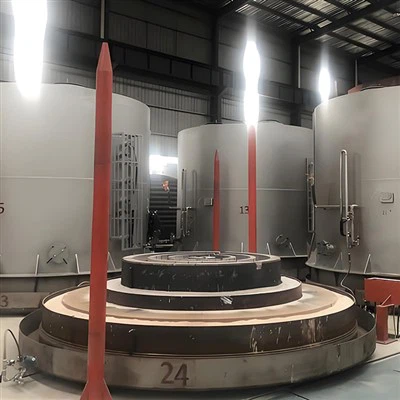
Hey there! As a supplier of Bell Annealing Furnaces, I've seen firsthand the importance of energy efficiency in these industrial workhorses. Not only does it save costs, but it also helps in reducing our carbon footprint. In this blog, I'll share some practical tips on how to improve the energy efficiency of a Bell Annealing Furnace.
Understanding the Basics of a Bell Annealing Furnace
Before we dive into the energy - saving tips, let's quickly go over what a Bell Annealing Furnace is. It's a type of furnace used for annealing processes, which involve heating and then slowly cooling materials to relieve internal stresses, increase ductility, and improve other mechanical properties. There are different types, like the Bell Type Resistance Furnace and the Split Mobile Bell Furnace. You can learn more about our Bell Annealing Furnace on our website.
Optimize Furnace Design and Insulation
One of the first steps in improving energy efficiency is to have a well - designed furnace with proper insulation. A good insulation system can prevent heat loss, which means the furnace doesn't have to work as hard to maintain the desired temperature. We use high - quality insulation materials in our furnaces that can withstand high temperatures and have low thermal conductivity. This helps in keeping the heat inside the furnace where it's needed, reducing the energy required to keep it at the annealing temperature.
When it comes to design, a compact and well - structured furnace can also improve energy efficiency. For example, the shape of the furnace chamber can affect how evenly the heat is distributed. A well - designed chamber ensures that all parts of the material being annealed receive the same amount of heat, reducing the need for over - heating in some areas to compensate for cold spots.
Control the Annealing Process
Another key factor is controlling the annealing process itself. This involves setting the right temperature and time for the annealing cycle. Using advanced control systems, we can precisely regulate the temperature inside the furnace. These systems can monitor the temperature in real - time and make adjustments as needed. For instance, if the temperature starts to drop below the set point, the system can increase the heat input just enough to bring it back up.


It's also important to optimize the heating and cooling rates. Rapid heating and cooling can consume a lot of energy. By using a more gradual heating and cooling process, we can save energy while still achieving the desired annealing results. Our control systems allow for customizable heating and cooling profiles, so you can tailor the process to the specific requirements of your materials.
Use High - Efficiency Heating Elements
The heating elements in a Bell Annealing Furnace play a crucial role in energy consumption. Using high - efficiency heating elements can significantly reduce energy usage. These elements are designed to convert electrical energy into heat more effectively. They have a longer lifespan and can operate at higher temperatures with less energy input.
We offer furnaces with the latest heating element technology. These elements are made from high - quality materials that can withstand the harsh conditions inside the furnace. They also have a uniform heat distribution, which means that the heat is spread evenly across the furnace chamber, reducing the energy needed to heat the entire volume.
Regular Maintenance and Monitoring
Regular maintenance is essential for keeping the furnace running efficiently. This includes checking the insulation for any damage or wear, inspecting the heating elements for signs of degradation, and ensuring that the control systems are functioning properly. A well - maintained furnace will operate more smoothly and use less energy.
Monitoring the furnace's energy consumption is also important. By keeping track of how much energy the furnace is using over time, you can identify any trends or anomalies. If you notice a sudden increase in energy consumption, it could be a sign of a problem, such as a leak in the insulation or a malfunctioning heating element. Early detection and repair can prevent further energy waste.
Heat Recovery Systems
Implementing heat recovery systems can be a game - changer when it comes to energy efficiency. These systems capture the waste heat from the furnace and reuse it for other purposes. For example, the waste heat can be used to pre - heat the incoming materials or to heat other parts of the facility. This reduces the overall energy demand of the furnace and the entire production process.
We can provide options for heat recovery systems that are specifically designed for our Bell Annealing Furnaces. These systems are easy to install and can quickly pay for themselves through energy savings.
Staff Training
Finally, training your staff on how to operate the furnace efficiently is crucial. Even the most advanced furnace won't be energy - efficient if it's not used correctly. Staff should be trained on how to set the right annealing parameters, how to perform basic maintenance tasks, and how to recognize signs of energy inefficiency.
We offer training programs for our customers' staff. These programs cover all aspects of furnace operation and maintenance, ensuring that your team can get the most out of your Bell Annealing Furnace while keeping energy consumption in check.
Conclusion
Improving the energy efficiency of a Bell Annealing Furnace is a multi - faceted process. It involves optimizing the furnace design, controlling the annealing process, using high - efficiency components, performing regular maintenance, implementing heat recovery systems, and training your staff. By following these tips, you can significantly reduce the energy consumption of your furnace, save costs, and contribute to a more sustainable future.
If you're interested in learning more about our Bell Annealing Furnaces or how to improve their energy efficiency, don't hesitate to reach out. We're here to help you find the best solutions for your annealing needs. Let's work together to make your operations more energy - efficient and profitable.
References
- "Industrial Furnace Handbook: Principles, Design, and Operation" by Heinz P. Bloch
- "Energy Efficiency in Industrial Furnaces" by various authors, published by the International Energy Agency