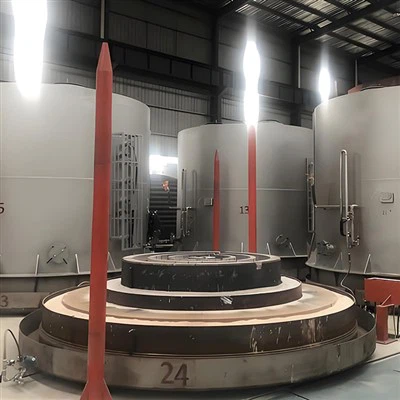
Achieving optimal temperature uniformity in a bell type furnace is crucial for ensuring consistent heat treatment processes and high - quality product outcomes. As a reputable bell type furnace supplier, we understand the significance of this aspect and have extensive experience in addressing the challenges associated with temperature uniformity. In this blog, we will explore various strategies and techniques to improve temperature uniformity in a bell type furnace.
Understanding the Basics of Bell Type Furnaces
Bell type furnaces are widely used in industries for processes such as annealing, normalizing, and stress relieving. They consist of a stationary base and a removable bell - shaped cover. The workpiece is placed on the base, and the bell is lowered over it to create a sealed chamber for heat treatment. There are different types of bell type furnaces available, including Split Mobile Bell Furnace, Bell Type Resistance Furnace, and Bell Annealing Furnace.
Factors Affecting Temperature Uniformity
Several factors can influence temperature uniformity in a bell type furnace. Understanding these factors is the first step in implementing effective improvement measures.


1. Heating Element Design and Placement
The design and placement of heating elements play a vital role in achieving uniform temperature distribution. Unevenly spaced or damaged heating elements can lead to hot and cold spots within the furnace. For example, if the heating elements are concentrated in one area, that area will experience higher temperatures compared to the rest of the furnace.
2. Air Circulation
Proper air circulation is essential for distributing heat evenly throughout the furnace chamber. Insufficient air movement can result in temperature stratification, where the top of the furnace is hotter than the bottom. This can be caused by blocked air vents, inefficient fans, or improper duct design.
3. Furnace Loading
The way the workpieces are loaded into the furnace can also impact temperature uniformity. Overloading the furnace or placing workpieces too close together can restrict air flow and create shadowing effects, leading to uneven heating.
4. Insulation
Poor insulation can cause heat loss from the furnace, which can affect temperature uniformity. Leaks in the insulation or inadequate insulation materials can result in temperature variations, especially near the furnace walls.
Strategies to Improve Temperature Uniformity
1. Optimize Heating Element Design and Placement
- Uniform Spacing: Ensure that the heating elements are evenly spaced throughout the furnace chamber. This helps to distribute heat more evenly and reduces the formation of hot and cold spots.
- Zoning: Divide the furnace into multiple heating zones, each with its own set of heating elements and temperature control. This allows for more precise temperature regulation and can compensate for any natural temperature gradients within the furnace.
- Regular Maintenance: Conduct regular inspections of the heating elements to check for damage or wear. Replace any faulty elements promptly to maintain consistent heating performance.
2. Enhance Air Circulation
- Install High - Efficiency Fans: Upgrade the furnace fans to high - efficiency models that can provide sufficient air movement. The fans should be properly sized and positioned to ensure uniform air distribution throughout the chamber.
- Improve Duct Design: Optimize the ductwork to direct the air flow in a way that promotes even heat distribution. Avoid sharp bends or restrictions in the ducts, as these can impede air movement.
- Use Air Baffles: Install air baffles within the furnace chamber to redirect the air flow and prevent temperature stratification. Baffles can help to create a more turbulent air flow, which improves heat transfer and reduces temperature variations.
3. Optimize Furnace Loading
- Proper Workpiece Placement: Arrange the workpieces in a way that allows for adequate air flow between them. Use racks or fixtures to ensure proper spacing and prevent shadowing effects.
- Load Balancing: Distribute the workpieces evenly across the furnace chamber to avoid overloading one area. This helps to maintain uniform heat transfer and reduces the risk of uneven heating.
4. Upgrade Insulation
- Use High - Quality Insulation Materials: Replace old or damaged insulation with high - quality materials that have low thermal conductivity. This helps to minimize heat loss and maintain a more stable temperature within the furnace.
- Seal Leaks: Conduct a thorough inspection of the furnace insulation to identify any leaks or gaps. Seal these areas using appropriate sealants to prevent heat loss and improve temperature uniformity.
5. Implement Advanced Temperature Control Systems
- Multi - Zone Temperature Control: As mentioned earlier, dividing the furnace into multiple heating zones allows for more precise temperature regulation. Use advanced temperature control systems that can monitor and adjust the temperature in each zone independently.
- Feedback Control: Install temperature sensors at multiple locations within the furnace chamber to provide real - time temperature feedback. The control system can then use this information to make adjustments to the heating elements and fans to maintain uniform temperature.
Monitoring and Validation
Once the improvement measures have been implemented, it is important to monitor and validate the temperature uniformity in the furnace.
1. Temperature Mapping
Conduct regular temperature mapping exercises to measure the temperature distribution within the furnace chamber. Use thermocouples or other temperature sensors to collect data at multiple points. Analyze the data to identify any remaining hot or cold spots and make further adjustments as needed.
2. Process Validation
Perform process validation tests to ensure that the improved temperature uniformity meets the requirements of the heat treatment process. This may involve running test batches of workpieces and analyzing the resulting material properties to confirm that the heat treatment is consistent and of high quality.
Conclusion
Improving temperature uniformity in a bell type furnace is a complex but achievable goal. By understanding the factors that affect temperature distribution and implementing the strategies outlined in this blog, you can significantly enhance the performance of your furnace and ensure consistent, high - quality heat treatment results.
As a bell type furnace supplier, we are committed to providing our customers with the best solutions for improving temperature uniformity. Our team of experts can work with you to assess your specific needs and recommend the most appropriate upgrades and modifications for your furnace. If you are interested in learning more about our products or services, or if you have any questions about improving temperature uniformity in your bell type furnace, please feel free to contact us for a consultation. We look forward to the opportunity to assist you in optimizing your heat treatment processes.
References
- ASM Handbook, Volume 4: Heat Treating, ASM International.
- Furnace Manuals and Technical Documents from leading furnace manufacturers.
- Journal articles on heat treatment and furnace technology, such as the Journal of Heat Treatment and Materials.