As a seasoned supplier of annealing furnaces, I understand the critical role that insulation materials play in the performance and efficiency of these industrial workhorses. The right insulation can significantly reduce energy consumption, maintain consistent temperatures, and extend the lifespan of the furnace. In this blog post, I'll share some key considerations to help you choose the most suitable insulation material for your annealing furnace.


Understanding the Basics of Annealing Furnaces
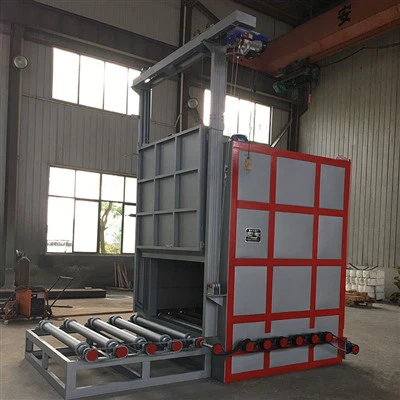
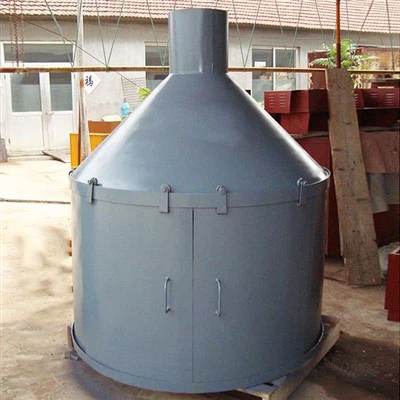
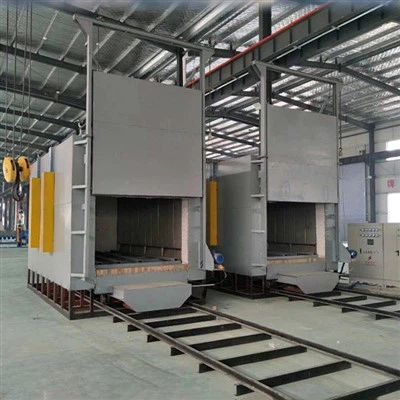
Before delving into insulation materials, let's briefly review the function of annealing furnaces. Annealing is a heat treatment process used to relieve internal stresses, increase ductility, and improve the overall mechanical properties of metals. There are different types of annealing furnaces, each designed for specific applications. For instance, the Stress Relief Annealing Furnace is used to reduce internal stresses in metal components, while the Vacuum Annealing Furnace operates in a low-pressure environment to prevent oxidation and contamination. The Box Annealing Furnace is a common type used for batch processing of small to medium-sized parts.
Key Factors in Choosing Insulation Materials
Temperature Resistance
One of the most important factors to consider is the maximum operating temperature of the annealing furnace. Different insulation materials have different temperature limits. For high-temperature annealing processes, materials such as ceramic fiber blankets or refractory bricks are often preferred. Ceramic fiber blankets can withstand temperatures up to 1600°C (2912°F) and offer excellent thermal insulation properties. Refractory bricks, on the other hand, are known for their high-temperature stability and can be used in furnaces operating at temperatures above 1000°C (1832°F).
Thermal Conductivity
Thermal conductivity is a measure of how well a material conducts heat. A lower thermal conductivity means better insulation. Materials with low thermal conductivity can reduce heat loss from the furnace, resulting in energy savings. For example, fiberglass insulation has a relatively low thermal conductivity and is suitable for applications where the operating temperature is not extremely high. Mineral wool is another option that offers good thermal insulation and is also resistant to fire.
Density
The density of the insulation material can affect its performance. Higher density materials generally have better structural integrity and can withstand mechanical stress. However, they may also be heavier and more expensive. Lower density materials, such as ceramic fiber boards, are lightweight and easy to install but may be more prone to damage. When choosing the density of the insulation material, consider the specific requirements of your annealing furnace, such as the need for support or the space available for installation.
Chemical Resistance
In some annealing processes, the furnace may be exposed to chemicals or corrosive gases. It is important to choose an insulation material that is resistant to these substances. For example, if the annealing process involves the use of acidic or alkaline solutions, materials such as ceramic fiber with appropriate coatings or refractory materials with high chemical resistance should be selected.
Installation and Maintenance
The ease of installation and maintenance of the insulation material is also an important consideration. Some materials, such as pre-formed insulation modules, can be quickly and easily installed, reducing downtime during furnace construction or renovation. Additionally, consider the long-term maintenance requirements of the insulation. Some materials may require periodic inspection and replacement due to wear and tear or damage.
Common Insulation Materials for Annealing Furnaces
Ceramic Fiber
Ceramic fiber is a popular choice for high-temperature annealing furnaces. It is made from alumina-silica fibers and has excellent thermal insulation properties. Ceramic fiber blankets, boards, and modules are available in different densities and thicknesses to meet various application requirements. They are lightweight, easy to install, and can significantly reduce heat loss from the furnace. However, ceramic fiber can be brittle and may release fine fibers during handling, so proper safety precautions should be taken.
Refractory Bricks
Refractory bricks are made from high-temperature-resistant materials such as fireclay, silica, or alumina. They are known for their high strength, durability, and thermal stability. Refractory bricks are commonly used in the lining of annealing furnaces, especially in areas where the temperature is extremely high or where mechanical stress is significant. They can be installed in a variety of configurations, including stack bond or running bond, to provide a tight seal and prevent heat leakage.
Fiberglass
Fiberglass is a cost-effective insulation material that is suitable for low to medium-temperature annealing furnaces. It is made from fine glass fibers and has a low thermal conductivity. Fiberglass insulation is available in the form of blankets, batts, or boards and can be easily cut and shaped to fit the specific requirements of the furnace. It is also resistant to fire and moisture, making it a versatile option for many applications.
Mineral Wool
Mineral wool is another widely used insulation material. It is made from natural or synthetic minerals and has good thermal insulation and fire resistance properties. Mineral wool insulation can be used in both high and low-temperature applications and is available in different forms, such as blankets, boards, or loose-fill. It is also relatively easy to install and is less likely to release harmful fibers compared to ceramic fiber.
Case Study: Choosing the Right Insulation for a Stress Relief Annealing Furnace
Let's consider a case study of a stress relief annealing furnace used in a metal fabrication shop. The furnace operates at a maximum temperature of 600°C (1112°F) and is used to anneal steel components. Based on the operating temperature and the specific requirements of the process, the following insulation materials were considered:
- Ceramic Fiber Blankets: These blankets offer excellent thermal insulation and can withstand the operating temperature of the furnace. However, they are relatively expensive and may require special handling due to the potential release of fibers.
- Fiberglass Insulation: Fiberglass is a cost-effective option that can provide adequate thermal insulation at the given temperature. It is easy to install and is widely available.
- Mineral Wool Blankets: Mineral wool offers good thermal insulation and is also resistant to fire. It is a suitable choice for this application and is less likely to cause health concerns compared to ceramic fiber.
After evaluating the pros and cons of each material, the shop decided to use mineral wool blankets for the insulation of the stress relief annealing furnace. The mineral wool blankets provided good thermal insulation, were easy to install, and met the budget requirements of the project.
Conclusion
Choosing the right insulation material for an annealing furnace is a critical decision that can have a significant impact on the performance, efficiency, and lifespan of the furnace. By considering factors such as temperature resistance, thermal conductivity, density, chemical resistance, and installation and maintenance requirements, you can select the most suitable insulation material for your specific application. As an annealing furnace supplier, I am always available to provide expert advice and assistance in choosing the right insulation material for your furnace. If you are interested in learning more about our annealing furnaces or need help with insulation selection, please feel free to contact us for a consultation.
References
- ASM Handbook, Volume 4: Heat Treating, ASM International
- Insulation Materials: Selection and Application Guide, National Insulation Association
- High-Temperature Insulation Technology, CRC Press