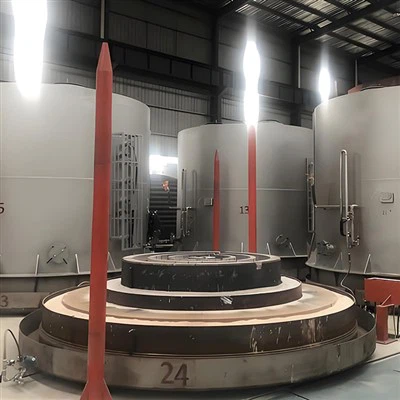
As a supplier of crucible furnaces, I've seen firsthand the importance of ensuring the stability of the crucible during the melting process. A wobbly or unstable crucible can lead to all sorts of problems, from uneven melting to spills and even damage to the furnace itself. So, in this blog post, I'm gonna share some tips and tricks on how to keep your crucible steady and secure throughout the melting process.
Choose the Right Crucible
First things first, you need to make sure you're using the right crucible for the job. Different materials and melting temperatures require different types of crucibles. For example, if you're melting aluminum, you'll want a crucible that can withstand the high temperatures and chemical reactions involved. Our Gas Crucible Aluminum Melting Furnace is designed specifically for this purpose, and it comes with a high-quality crucible that's built to last.
When choosing a crucible, pay attention to its size and shape. It should fit snugly into the furnace without any gaps or wobbling. A loose-fitting crucible can move around during the melting process, which can cause uneven heating and even damage to the crucible. Make sure to measure the dimensions of your furnace and choose a crucible that's the right size.
Proper Installation
Once you've chosen the right crucible, it's important to install it correctly. Start by cleaning the inside of the furnace and removing any debris or residue. This will help ensure a good seal between the crucible and the furnace. Next, carefully place the crucible into the furnace, making sure it's centered and level. Use a level tool to check that the crucible is sitting evenly.
Some crucibles come with a support structure or a base that helps keep them stable. Make sure to use this support as directed. If your crucible doesn't have a built-in support, you can use a refractory material or a custom-made support to hold it in place. Just make sure the support is strong enough to withstand the weight of the crucible and the molten metal.
Secure the Crucible
To further ensure the stability of the crucible, you can use additional securing methods. One common method is to use a crucible clamp or a retaining ring. These devices are designed to hold the crucible in place and prevent it from moving or tipping over. Make sure to tighten the clamp or ring securely, but be careful not to overtighten it, as this can damage the crucible.
Another option is to use a refractory mortar or a high-temperature adhesive to seal the crucible to the furnace. This can help create a more stable and secure connection. However, make sure to choose a mortar or adhesive that's compatible with the materials you're using and can withstand the high temperatures of the melting process.
Monitor the Melting Process
During the melting process, it's important to monitor the crucible closely. Keep an eye on the temperature and the level of the molten metal. If the temperature is too high or too low, it can affect the stability of the crucible. Make sure to follow the manufacturer's instructions for the proper operating temperature of your furnace and crucible.
Also, be aware of any signs of movement or instability in the crucible. If you notice any wobbling or shifting, stop the melting process immediately and check the crucible and its support. It's better to be safe than sorry, as a unstable crucible can lead to serious accidents and damage.


Regular Maintenance
Regular maintenance is key to ensuring the long-term stability of your crucible. After each use, clean the crucible thoroughly to remove any residue or impurities. This will help prevent corrosion and damage to the crucible. Inspect the crucible for any signs of wear or damage, such as cracks or chips. If you notice any problems, replace the crucible immediately.
In addition to cleaning and inspecting the crucible, it's also important to maintain the furnace itself. Keep the furnace clean and free of debris, and check the heating elements and other components regularly to make sure they're working properly. A well-maintained furnace will help ensure the stability and efficiency of the melting process.
Conclusion
Ensuring the stability of the crucible during the melting process is crucial for a successful and safe operation. By choosing the right crucible, installing it correctly, securing it properly, monitoring the melting process, and performing regular maintenance, you can minimize the risk of problems and ensure the long-term performance of your crucible furnace.
If you're in the market for a new crucible furnace or need help with your existing one, don't hesitate to contact us. We're a leading supplier of Crucible Melting Resistance Furnace and Tilting Crucible Melting Furnace, and we have a team of experts who can provide you with the advice and support you need. Let's work together to ensure the stability and efficiency of your melting process.
References
- "Crucible Furnace Operation and Maintenance Guide"
- "Materials Science and Engineering for High-Temperature Applications"
- "Best Practices for Crucible Melting in Industrial Settings"