As a reputable supplier of bell type furnaces, I understand the growing demand for remote operation in today's industrial landscape. Remote operation offers numerous benefits, including increased efficiency, enhanced safety, and improved control over the heating process. In this blog post, I will share some insights on how to operate a bell type furnace remotely.
Understanding Bell Type Furnaces
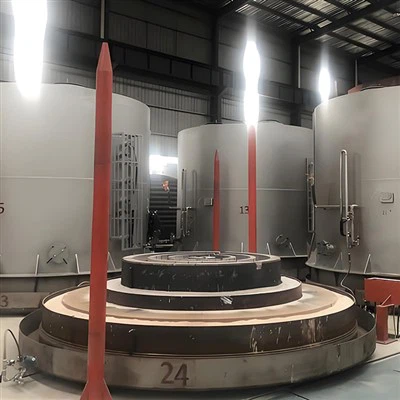
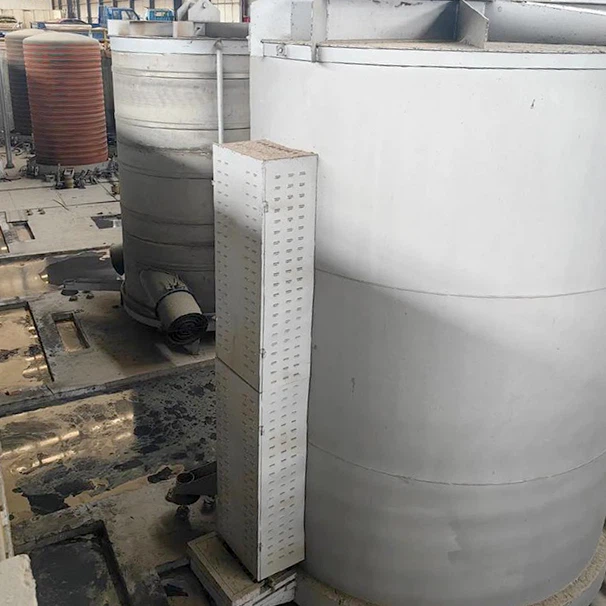
Before delving into remote operation, it's essential to have a basic understanding of bell type furnaces. These furnaces consist of a stationary base and a movable bell-shaped cover. The workpiece is placed on the base, and the bell is lowered over it to create a sealed chamber. Heating elements inside the bell provide the necessary heat for the process, which can include annealing, tempering, and stress relieving.
There are different types of bell type furnaces available, such as Mobile Bell Type Furnace, Bell Type Resistance Furnace, and Bell Annealing Furnace. Each type has its unique features and applications, but the general principle of operation remains the same.
Key Components for Remote Operation
To operate a bell type furnace remotely, several key components are required:
1. Automation System
An advanced automation system is the heart of remote furnace operation. It allows you to control and monitor various parameters of the furnace, such as temperature, pressure, and time. The automation system typically consists of a programmable logic controller (PLC) and a human-machine interface (HMI). The PLC executes the control algorithms, while the HMI provides a user-friendly interface for operators to interact with the system.
2. Sensors
Sensors play a crucial role in remote operation by providing real-time data on the furnace's operating conditions. Temperature sensors, pressure sensors, and gas flow sensors are commonly used in bell type furnaces. These sensors transmit data to the automation system, which can then adjust the furnace settings accordingly.
3. Communication Infrastructure
A reliable communication infrastructure is necessary to establish a connection between the furnace and the remote control station. This can be achieved through wired or wireless networks, such as Ethernet, Wi-Fi, or cellular networks. The communication protocol used should be secure and compatible with the automation system.
4. Remote Monitoring and Control Software
Remote monitoring and control software allows operators to access the furnace's automation system from a remote location. This software provides a graphical interface that displays the furnace's operating parameters and allows operators to make adjustments as needed. Some software also offers features such as data logging, alarm notifications, and historical trend analysis.
Steps for Remote Operation
Once the necessary components are in place, the following steps can be followed to operate a bell type furnace remotely:
1. System Configuration
The first step is to configure the automation system and the remote monitoring and control software. This involves setting up the communication parameters, defining the control algorithms, and calibrating the sensors. It's important to ensure that the system is properly configured to ensure accurate and reliable operation.
2. Establishing a Connection
After the system is configured, establish a connection between the furnace and the remote control station. This can be done by connecting the automation system to the communication network and logging in to the remote monitoring and control software. Make sure that the connection is secure and stable to avoid any disruptions during operation.
3. Monitoring the Furnace
Once the connection is established, start monitoring the furnace's operating parameters. The remote monitoring and control software will display real-time data on the temperature, pressure, and other relevant variables. Check for any abnormal readings or alarms and take appropriate action if necessary.
4. Adjusting the Settings
If the monitored parameters deviate from the desired values, you can use the remote monitoring and control software to adjust the furnace settings. This can include changing the temperature setpoint, adjusting the gas flow rate, or modifying the heating time. Make sure to make small adjustments and monitor the system response to avoid overshooting or instability.
5. Troubleshooting
In case of any issues or malfunctions, the remote monitoring and control software can provide diagnostic information to help you troubleshoot the problem. Check the system logs, error messages, and sensor readings to identify the root cause of the issue. If necessary, you can also consult the furnace's user manual or contact our technical support team for assistance.

Benefits of Remote Operation
Remote operation of a bell type furnace offers several benefits:
1. Increased Efficiency
By allowing operators to monitor and control the furnace from a remote location, remote operation eliminates the need for constant on-site presence. This reduces downtime and increases productivity, as operators can make adjustments and respond to alarms in a timely manner.
2. Enhanced Safety
Remote operation improves safety by reducing the risk of exposure to high temperatures, toxic gases, and other hazards associated with furnace operation. Operators can monitor the furnace's operating conditions from a safe distance and take appropriate action if necessary.
3. Improved Quality Control
Real-time monitoring of the furnace's operating parameters allows for better quality control. Operators can ensure that the heating process is carried out within the specified parameters, resulting in more consistent and high-quality products.
4. Cost Savings
Remote operation can lead to cost savings by reducing labor costs, energy consumption, and maintenance requirements. With the ability to optimize the furnace's operation, you can minimize waste and improve overall efficiency.
Contact for Purchase and Consultation
If you are interested in purchasing a bell type furnace or learning more about remote operation, please feel free to contact us. Our team of experts is available to provide you with detailed information, technical support, and customized solutions to meet your specific needs. We look forward to discussing your requirements and helping you achieve your industrial heating goals.
References
- "Industrial Furnace Handbook: Principles, Design, and Operation" by J. Szekely and N. J. Themelis
- "Automation and Control in Industrial Furnaces" by R. K. Singh and S. K. Agarwal
- "Remote Monitoring and Control of Industrial Processes" by A. K. Sinha and P. K. Ray