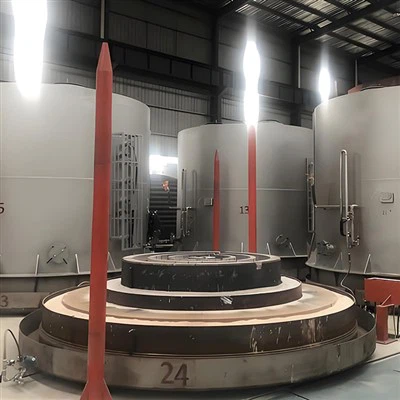
Hey there! As a nitriding furnace supplier, I've been getting a lot of questions lately about how to reduce the noise level of a nitriding furnace during operation. It's a common concern, especially for those who have their furnaces in a workspace where noise can be a real nuisance. So, I thought I'd share some tips and tricks that I've picked up over the years.


First off, let's understand why nitriding furnaces can be noisy in the first place. There are a few reasons. One is the mechanical components like fans, pumps, and motors. These parts vibrate as they work, and that vibration can create noise. Another factor is the flow of gases inside the furnace. When gases are pumped in and out at high speeds, it can cause a whistling or hissing sound. And then there's the expansion and contraction of the furnace's structure as it heats up and cools down, which can also lead to creaking and popping noises.
Now, let's get into the ways to reduce this noise.
1. Choose the Right Furnace Design
When you're in the market for a nitriding furnace, the design matters a lot. Some furnaces are inherently quieter than others. For example, Vacuum Nitriding Furnace often have a more sealed and insulated design. The vacuum environment reduces the need for high - speed gas flow in some cases, which can cut down on the whistling and hissing sounds. These furnaces also tend to have better insulation, which helps to contain the noise within the furnace itself.
Ion Nitriding Furnace work in a different way. They use an electrical discharge to ionize the nitrogen gas. The design of these furnaces can be optimized to minimize the electrical noise and the noise from the gas flow. Some modern ion nitriding furnaces come with advanced control systems that can adjust the gas flow and electrical parameters to operate more quietly.
Pit Type Nitriding Furnace are another option. Their design, with the furnace chamber set into a pit, can provide some natural sound insulation. The surrounding earth or concrete can absorb and dampen the noise generated by the furnace.
2. Insulate the Furnace
Insulation is a game - changer when it comes to noise reduction. You can add extra insulation to the exterior of the furnace. There are various types of insulation materials available, like ceramic fiber blankets or mineral wool. These materials not only help to keep the heat inside the furnace, but they also absorb a significant amount of the noise.
When installing the insulation, make sure it covers all the exposed parts of the furnace, including the sides, top, and bottom. You can use metal cladding on the outside of the insulation to hold it in place and protect it from damage. Just be careful not to block any ventilation or access points on the furnace.
3. Maintain the Mechanical Components
Regular maintenance of the mechanical components is crucial. The fans, pumps, and motors in the furnace need to be in good working condition. Over time, the bearings in these components can wear out, which can cause them to vibrate more and make more noise.
Check the bearings regularly and replace them if they show signs of wear. Lubricate the moving parts as recommended by the manufacturer. This will not only reduce the noise but also extend the lifespan of the components.
Also, make sure the belts and pulleys are properly tensioned. Loose belts can slip and create a screeching noise, while overly tight belts can put extra stress on the motor and cause it to work harder and make more noise.
4. Optimize the Gas Flow
As I mentioned earlier, the flow of gases inside the furnace can be a major source of noise. You can optimize the gas flow to reduce this noise. One way is to use flow control valves. These valves can regulate the speed and pressure of the gas entering and leaving the furnace.
By adjusting the gas flow rate to the minimum required for the nitriding process, you can reduce the whistling and hissing sounds. You can also install mufflers on the gas pipes. Mufflers work in a similar way to those on a car exhaust. They absorb and dissipate the energy of the gas flow, reducing the noise.
5. Isolate the Furnace
Isolating the furnace from the surrounding environment can also help. You can place the furnace on vibration - isolating pads. These pads are made of rubber or other flexible materials that absorb the vibrations generated by the furnace. This reduces the amount of noise that is transmitted to the floor and other structures in the building.
If possible, you can also create a separate enclosure for the furnace. This enclosure can be lined with sound - absorbing materials like acoustic panels. The enclosure will act as a barrier, preventing the noise from spreading into the rest of the workspace.
6. Upgrade the Control System
An outdated control system can sometimes cause the furnace to operate inefficiently, which can lead to increased noise. Upgrading to a modern control system can help. Newer control systems can optimize the operation of the furnace, adjusting the temperature, gas flow, and other parameters more precisely.
This means that the furnace can operate at a more stable state, reducing the need for sudden changes in the operation that can cause noise. Some advanced control systems also have built - in noise reduction algorithms that can adjust the operation of the furnace in real - time to minimize noise.
7. Train the Operators
It might sound simple, but proper operator training can make a big difference. Operators should be trained to start and stop the furnace correctly. Abrupt starts and stops can cause the furnace to make more noise. They should also be aware of the normal operating sounds of the furnace and be able to identify any abnormal noises.
If an operator notices an unusual noise, they should report it immediately so that the issue can be addressed before it becomes a bigger problem.
In conclusion, reducing the noise level of a nitriding furnace during operation is a multi - faceted approach. It involves choosing the right furnace design, insulating the furnace, maintaining the mechanical components, optimizing the gas flow, isolating the furnace, upgrading the control system, and training the operators.
If you're in the market for a nitriding furnace or need help with reducing the noise of your existing furnace, don't hesitate to reach out. We're here to assist you in finding the best solutions for your needs. Whether you're looking for a Vacuum Nitriding Furnace, an Ion Nitriding Furnace, or a Pit Type Nitriding Furnace, we've got you covered.
References
- "Handbook of Nitriding and Nitrocarburizing" by G. E. Totten and M. A. Howes
- "Heat Treatment Furnaces: Design, Control, and Operation" by J. C. Gundlach